Feeds:
Posts
Comments

Archive for the ‘Food’ Category

Hong Kong is one of those places that will increase your heart rate within minutes of arriving. It is a bustling city with skyscrapers, neon lights and crowds of people at every turn; it even holds the record for the most densely populated place on earth. One of its neighborhoods, Mongkok, houses more than 130,000 people in one square kilometer! What many people don’t realize is that Hong Kong is more than a city; the region also boasts hundreds of islands and large expanses of sparsely populated coastal jungles.
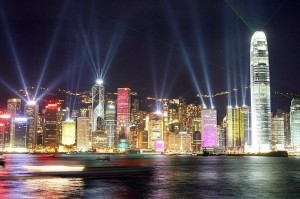
The Hong Kong skyline lit up during the nightly light show. Image: hksalad.com

Not only are Hong Kong’s diverse landscapes intriguing, but its socio-political situation also leaves you wanting to learn more. Long held by the British and returned to Chinese control in 1997, the city is still in its infancy as a Special Administrative Region (SAR). Its western style is prevalent, while its Chinese roots are unavoidable. During our week visit, we often found ourselves teetering between two different continents. Although technically part of China, Hong Kong feels like its own small country. It has its own immigration and customs controls, currency and flag. At the moment, only Hong Kong and Macau are designated as SARs in China, but the model is seen as a possible solution for future reunification of contested islands, such as Taiwan.

Hong Kong’s mainland neighbor, Shenzhen, provides an interesting parallel to Hong Kong. Shenzhen was China’s first experiment with Special Economic Zones (SEZs), which are pockets of “capitalism,” for lack of a better word, within this Communist country. In just under 60 years, Shenzhen went from a small fishing town to a bustling, skyscraper-laden mega-city of over 10 million in the greater metro area. We stopped in Shenzhen for a few days before entering Hong Kong; it was an interesting place to visit to gain a brief education on how Deng Xiaoping’s policies reformed China and how Shenzhen shaped the future of the nation’s SEZs.
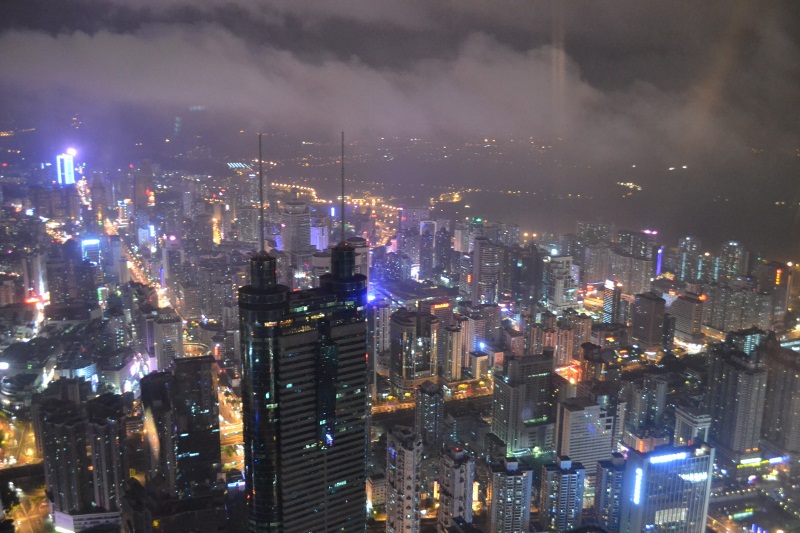
View from the St. Regis Hotel in the Kingkey 100, Shenzhen’s tallest building at 441.8 metres. It is currently the world’s 10th tallest building!

Politics aside, Hong Kong is a playground for travelers from all walks of life (although budget backpackers be warned, it is not a cheap destination). Both the cuisine and shopping run the gamut from the finest international establishments to the most budget options around. As long as you can handle the heat and humidity, outdoors enthusiasts could spend weeks in Hong Kong jumping from island to island.
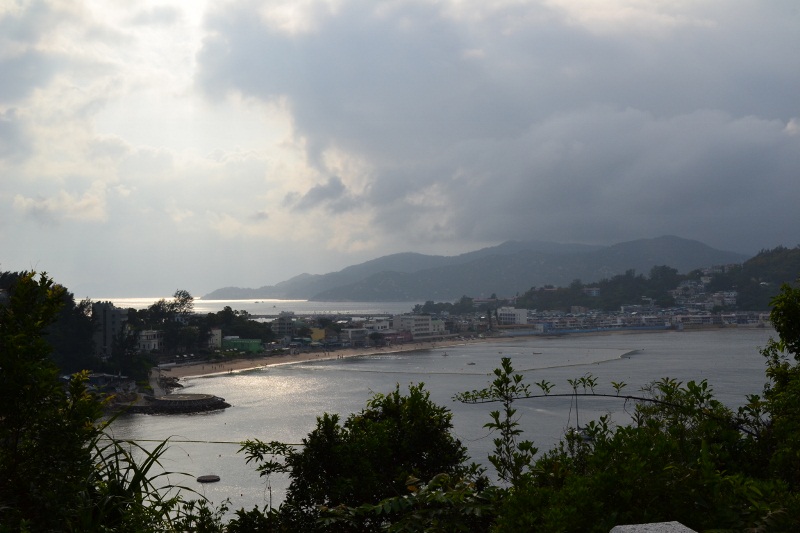
Random fact: Hong Kong is composed of 263 islands.

We made our home base on Hong Kong Island in the area known as Causeway Bay. Although one of the more expensive hostels we’ve stayed at thus far, the view from our room on the 14th floor could not be beat! The building boarders Victoria Park, one of the largest green spaces on Hong Kong Island, and the views spanned all the way across the harbor to Kowloon, the mainland part of Hong Kong.
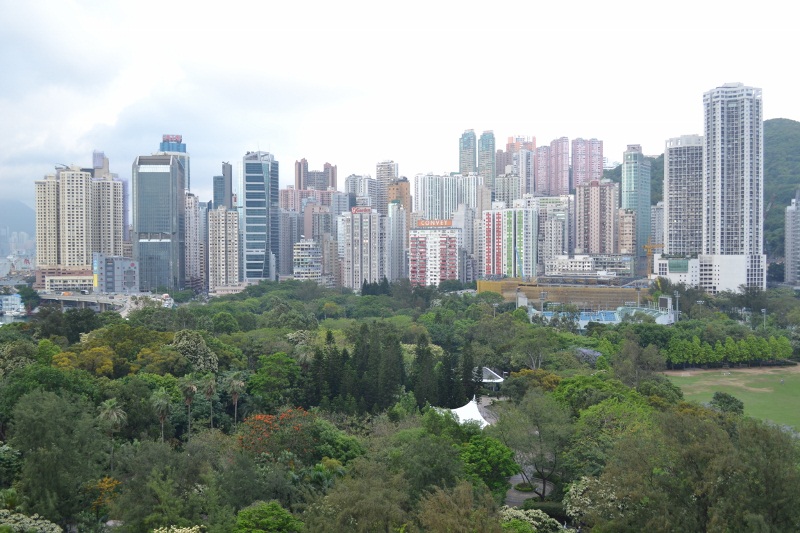
Looking out on Victoria Park from Parkview Hostel.

Since many HongKongese work in Causeway Bay, it is home to some of the best and most affordable local lunch spots in town. You can eat until your stomach is bursting at one of Hong Kong’s famous dim sum restaurants, or choose from a variety places that serve up everything from Cantonese cuisine to hot Szechuan dishes. The prosperity of the city has made it a melting pot for immigrants from all over the world. If there is a particular type of cuisine that you are looking for, it can certainly be found in Hong Kong.
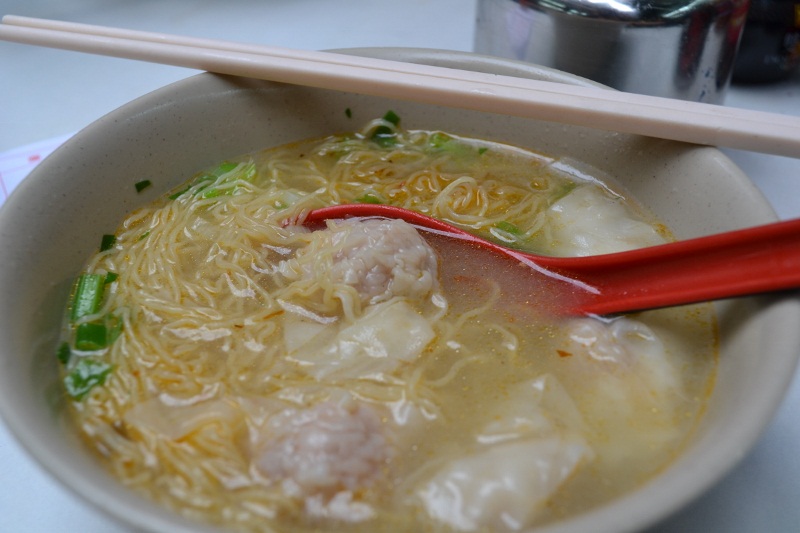
Shrimp wonton noodle soup can be found from most hole-in-the-wall restaurants in Causeway Bay. A tasty and cheap meal for only 20-25HKD.
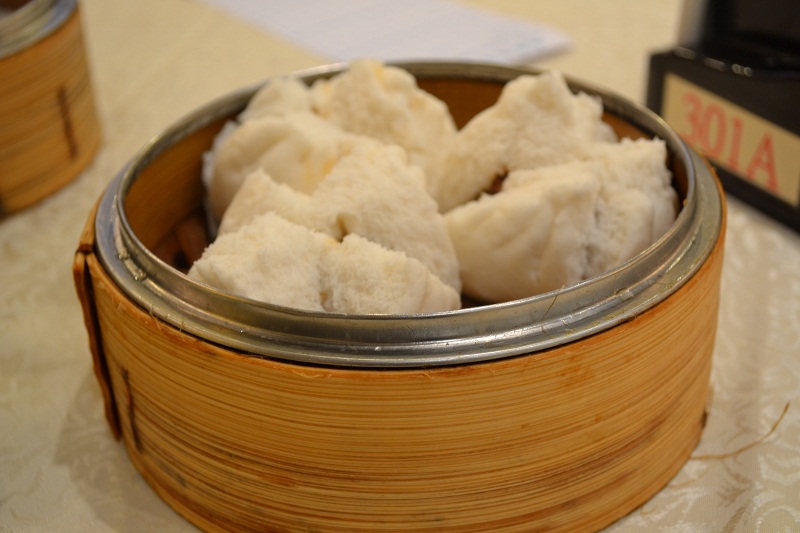
Get our dim sum on with some BBQ pork buns.

Before arriving in Hong Kong, one of our friends suggested that we absolutely not miss the Peak Tram. He was spot on with this recommendation. The tram itself feels like riding a roller coaster up the side of a mountain, and once at the top, the views of Hong Kong are incredible. We quickly skipped through the horde of tourists at the top and headed straight towards the network of trails that meander through the hills. The canopy of trees and ferns are not only beautiful, but help to lower the temperature which is a welcomed change from the heat beating down on the concrete jungle below.
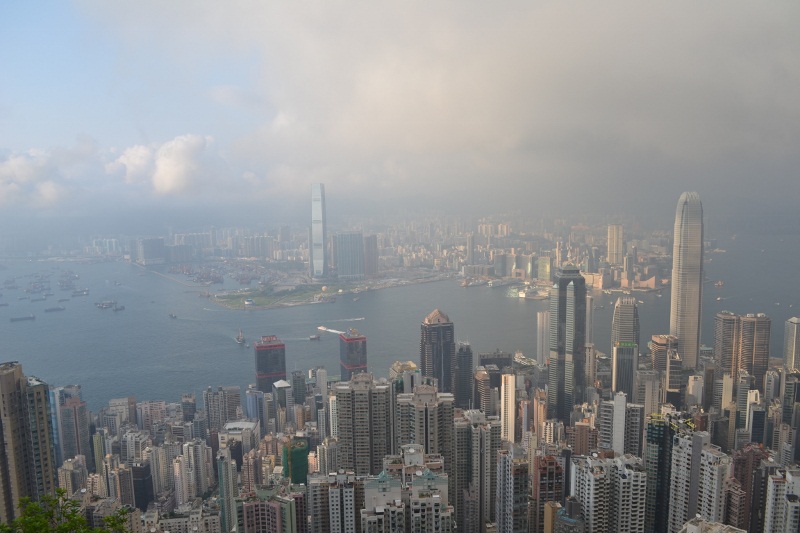
View from the top of the Peak Tram. It must be breathtaking on a perfectly clear day.

We like to think of ourselves as smart and seasoned travelers, but from time to time, we do fall into a tourist trap. Although it pains us to admit it, one such incidence happened in Hong Kong. We had heard about a Big Buddha on the island of Lantau, and having not been in Asia for more than a few weeks, it sounded pretty cool. So, we hopped on the metro, and then a bus, and after about two hours, we had arrived. To our disappointment, said “Big Buddha” was situated in the middle of a fake village, all of which had only been built in the 1990s. The town even included a 7-11; Slurpee while you see the Buddha, anyone? To make matters worse, the statue (albeit big) was nearly completely hidden by a thick mist. We will include a photo for you all to see; this way we won’t feel like our trek to Lantau was a complete waste of an afternoon.
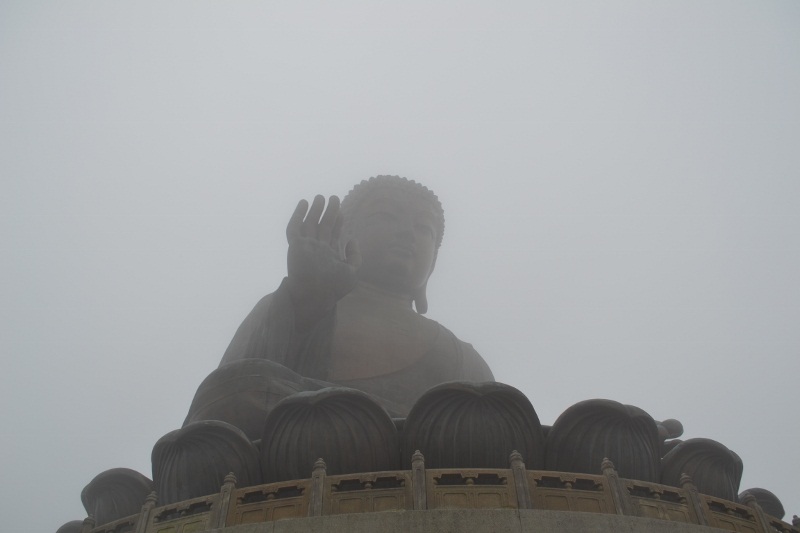
The Big-But-Hard-to-See-Buddha

No visit to Hong Kong is complete without a little beach time. After all, how can you visit an archipelago of islands in the South China Sea without getting a little R&R? To get away from the city, we took a ferry to the Island of Cheung Chau. Mainly a fishing harbor, the island also offers some fantastic beaches and hiking. Our time at the beach was, well, time at the beach…plenty of sun, sand, and cold beer.

Putting in our time at the beach on Cheung Chau.

In the afternoon, we set out for a hike around the exterior of the island. The views were great and the ocean breeze was so refreshing after baking in the sun.
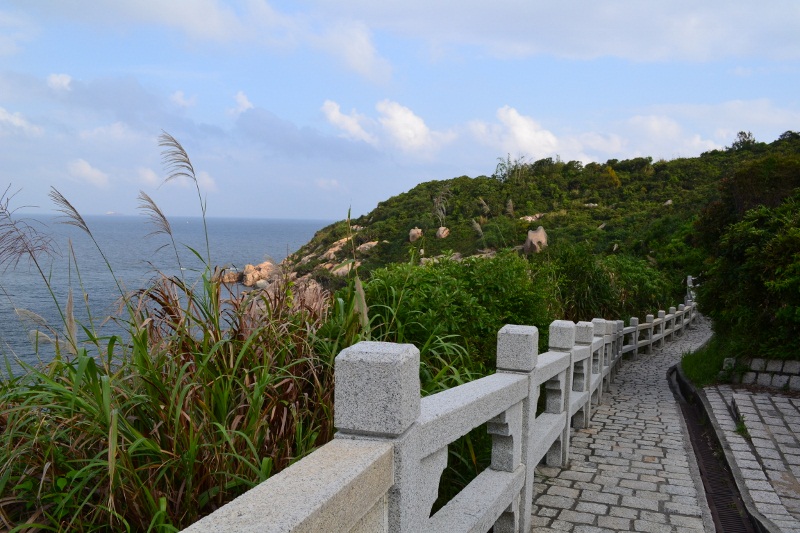
Walking along Cheung Chau’s Mini Great Wall.

We hadn’t expected too much excitement, just a leisurely hike, but all that changed when found ourselves face to face with a four foot Chinese Cobra. The whole encounter lasted only a few seconds, as the snake made a wise choice and quickly fled up the mountain, but just seeing a snake like that is enough for a hefty shot of adrenaline.

Taking our own photo wasn’t a high priority at the time, so we borrowed this one. Image: http://www.flickr.com (robferblue)

Exotic yet familiar, Hong Kong is truly one of those places that you have to see to believe. It has so many moving parts, but somehow everything still seems to gel. If the travel bug inside of you is yearning for the excitement that the Far East offers, but you are a little unsure about taking the plunge, Hong Kong is the place for you.
Read Full Post »

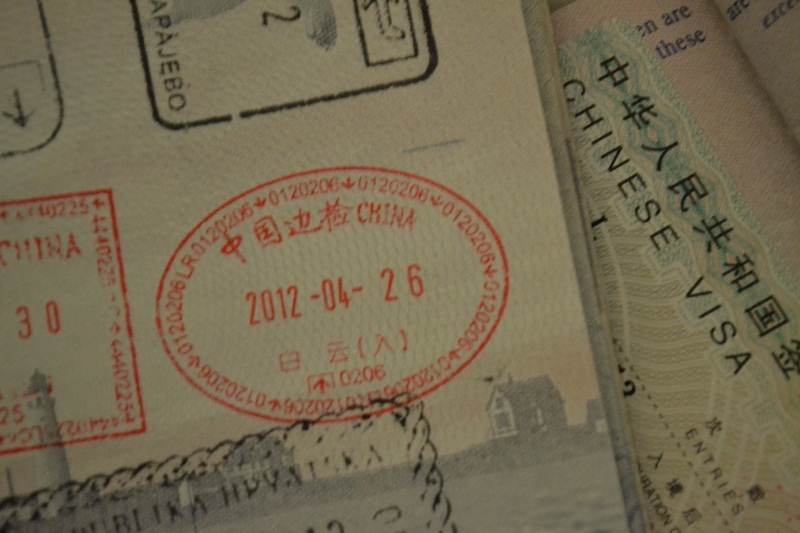
Hello China! Stepping off the plane in Guangzhou felt like landing in any other country. Although the immigration lines were long, the process was simple. No questions asked; they just looked at our passports, checked a few things in the computer and sent us on our way without even scanning our bags. This was a relief because we were a bit concerned that the several bottles of prescription meds (malaria pills, antibiotics, etc.) that we carry with us might raise some eyebrows, and China has very severe drug policies.

Officially stamped into China!

Upon exiting the airport, we quickly learned that very, very little English is spoken in Guangzhou. Based on the directions provided by our hotel, we were able to find the correct bus (win!); however, once on board, we wondered if we would make it alive, and if we did, where we should get off. It was monsooning outside, which did not seem to faze the driver in the least. He was weaving in and out of other buses and tiny motorbikes, not to mention the horn was blaring for more than half of our 40 minute commute. Keep in mind, both of us have experienced the South and Central American chicken buses, and the fact that this driver freaked us out is a really bad sign. Based on a suggestion from a friend, we found the most hip looking young person on the bus and asked if he knew where we should get off. He spoke a little bit of English, and pointed us in the right direction.

Just like the movies, the streets of China are chaotic, filled with motorbikes and completely lacking rhyme and reason. We quickly learned that pedestrians do not have the right of way, traffic lights and cross-walks do not mean much, and people frequently drive against traffic to get where they need to go. Based on our experience with the wild traffic in Morocco, we now use the term “Marrakech-ing” to describe the process of crossing the street by weaving in-and-out of speeding cars and bikes. Yes, it sounds and is dangerous, but it is the only way to get from one side to the other. It is always a bit of a relief to make it across unscathed.

As usual, one thing we were really looking forward to was the Chinese food! We know, we know, we talk about food all the time, but it is a very central part of our lives. After all, everyone has to eat.  Since Guangzhou is not a destination for most non-Chinese tourists, it was easy to find a local restaurant. Surprise, surprise, there was zero English on the menu. But luckily, menus with pictures seem to be fairly common in China. We pointed at a few tasty looking dishes, and next thing we know we had devoured our first real Chinese meal. It was incredibly spicy, and incredibly delicious. We ended our first night in China feeling quite satisfied with the fact that we had managed to enter the country, get to our hotel and eat dinner without having our hands henna tattooed (didn’t get the inside joke? It’s OK, just read this post).
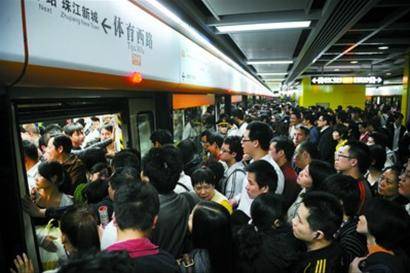
To start our next day, we went to the front desk and asked how to get to one of the city’s museums. The agent responded with a laugh “ooh, it very far.” The fastest way was a taxi, but we don’t do taxis unless absolutely necessary. A colleague of Mike’s gave us some advice about cab drivers when we were in Croatia. He said, “Don’t take cabs. The drivers are all crooks and thieves.” We know that most cab drivers are honest people who work long hours, but we agree with Denis that taking a cab in a foreign place is a pretty easy way to get fleeced. But, back to Guangzhou, we ended up taking a bus back to the airport; then, caught the metro. Guangzhou is a city of about 13 million people; the train system is modern, efficient and absolutely packed. Each train is about 12 cars long, and you can barely see the end of the loading platform. Just when you think no more people can possibly fit into the car, people will run, jump and launch themselves through the doors.

Just another day in a Guangzhou metro station. Image: http://www.echinacities.com

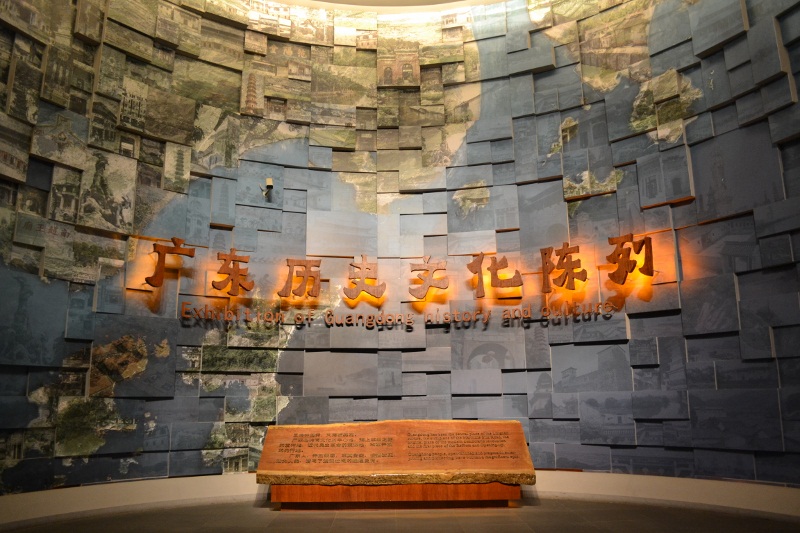
We ended up being quite impressed by the Guangzhou Museum. It is free as long as you agree to having your passport checked (apparently this is how China rolls). The exhibits are visually stimulating with many life-size dioramas to help convey the history, resources and traditional art of the Guangdong region.

Entry to the history exhibit at the Guangzhou Museum.

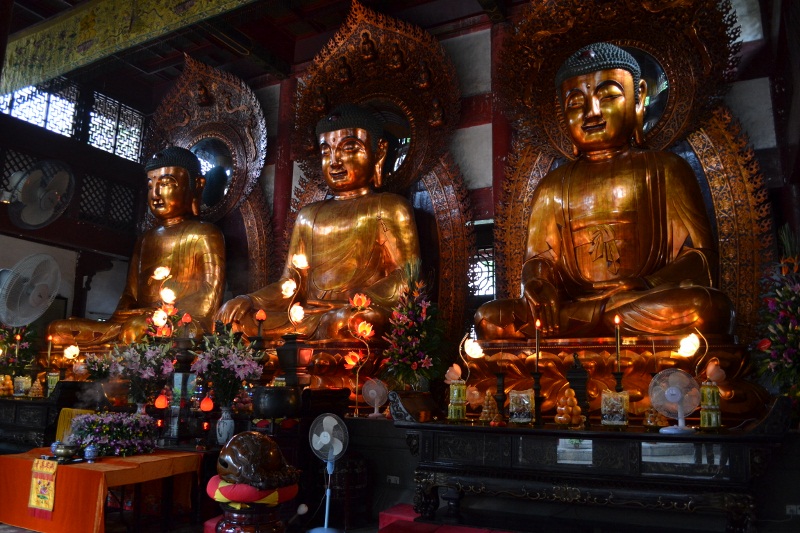
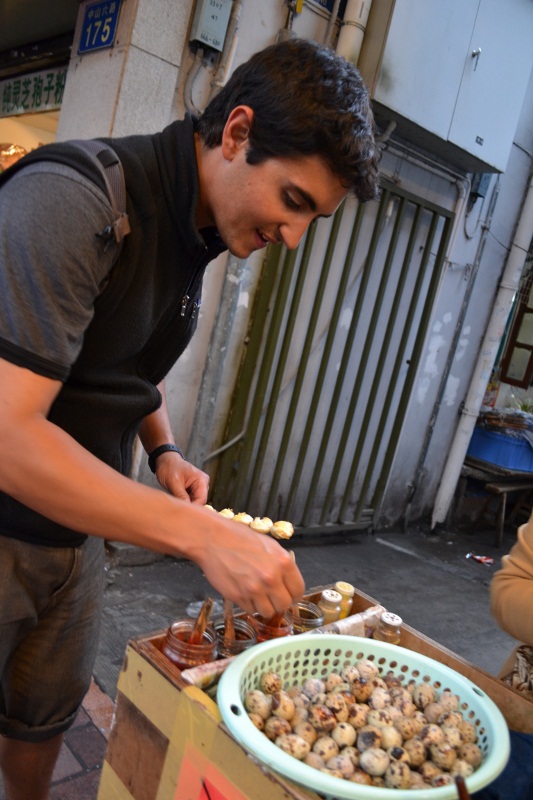
After the museum, we hopped back on the metro to the other side of the city. Although we eventually found the Temple of the Six Banyon Trees that was our intended destination, the street life caught our interest more. We found everything from teapot vendors to egg-on-a-stick food stalls. We even saw a few people that were charging money to let you electrocute a caged rat.  Along the way, we even ran into one of China’s oldest mosques. Legend has it that it was built by Sa`d ibn Abi Waqqas, the uncle of the Prophet Muhamed in 650 A.D.

The smell of burning incense fills the area at the Temple of the Six Banyon Trees.

Fried eggs on a skewer, what an incredible invention!

Mike souping up the eggs with some HOT hot sauce.

Guangzhou doesn’t make guidebooks’ must-see lists in China, and many people will pass it off as just “another large Chinese city.” What we enjoyed about Guangzhou is that it seemed to be very authentic. Very little English and very few people trying to make a quick buck off of tourists. All in all, it was a fun and eventful introduction to China.

Read Full Post »

If you’re hungry, eat before reading this post. We spent more than a week in Istanbul and are confident in saying that it is one of our favorite cities in the world. There are so many things about Istanbul that we want to share; so many that writing about all of them could take weeks. That being said, we’ve decided to create a photo series dedicated to this spectacular place. For our first installment, FOOD!   (NOTE: there are many photos in this post, therefore it may take some time to load)

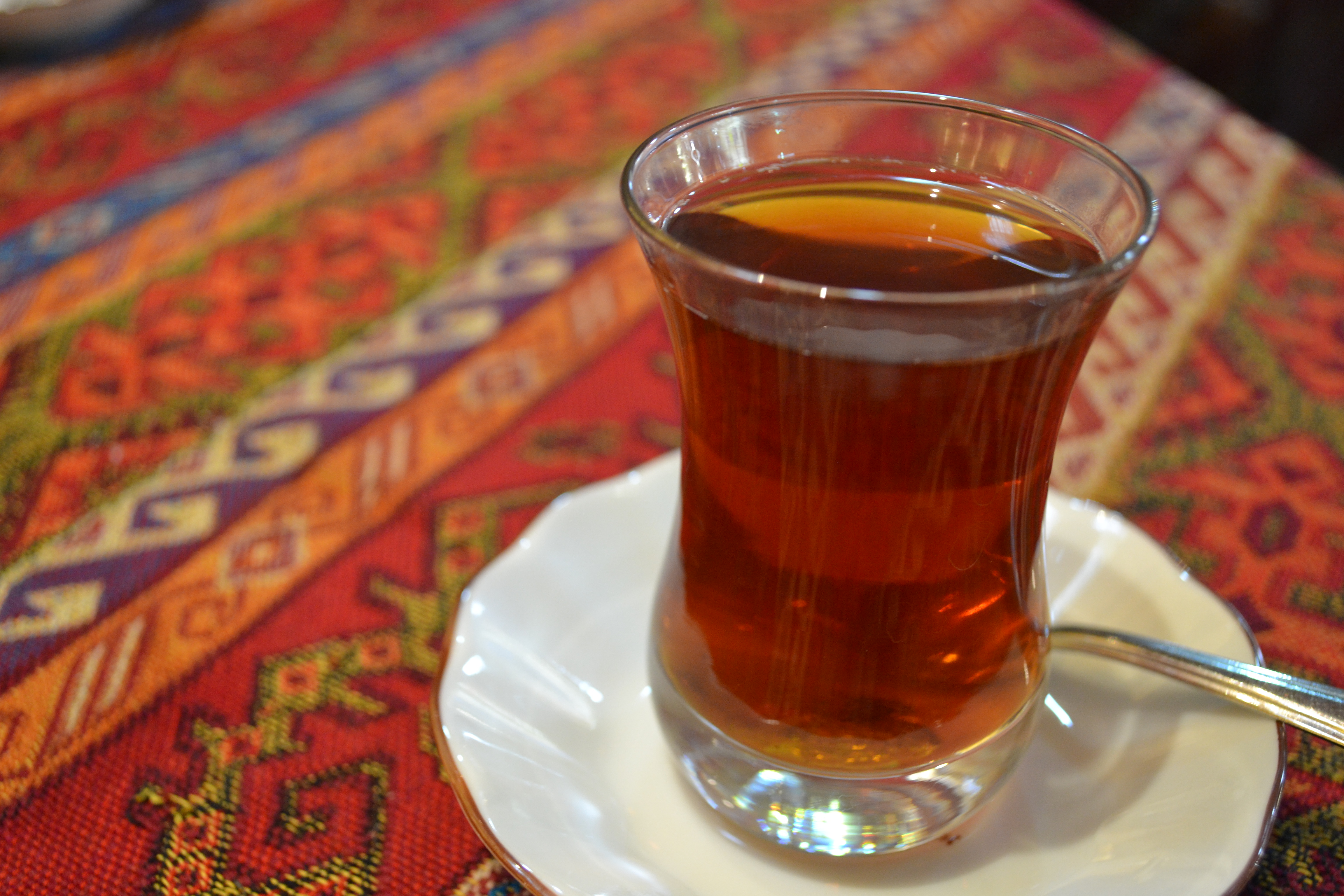
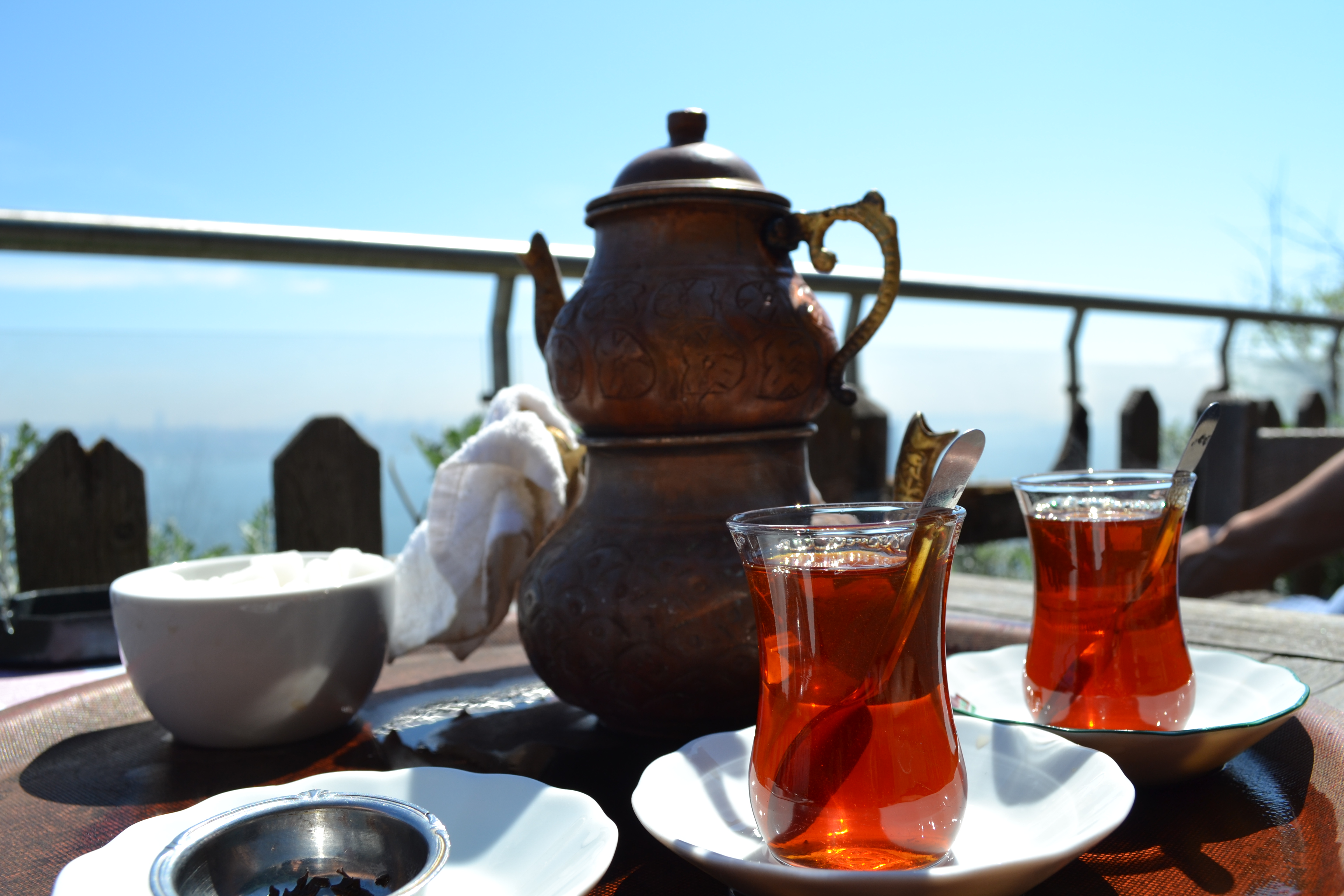
ÇAYTurks drink a lot tea which they call çay (pronounced chai)

“çay, çay, çay, çay” are words you will hear all over Istanbul. Locals sip Turkish tea all day long; always served very hot with 2 sugar cubes.

We stopped at a tea house in Gülhane Park which overlooks the Bosphorous River. Çay is traditionally served from two kettles, one with concentrated tea and the other with hot water.

STREET FOOD – The best restaurants in the world don’t have websites

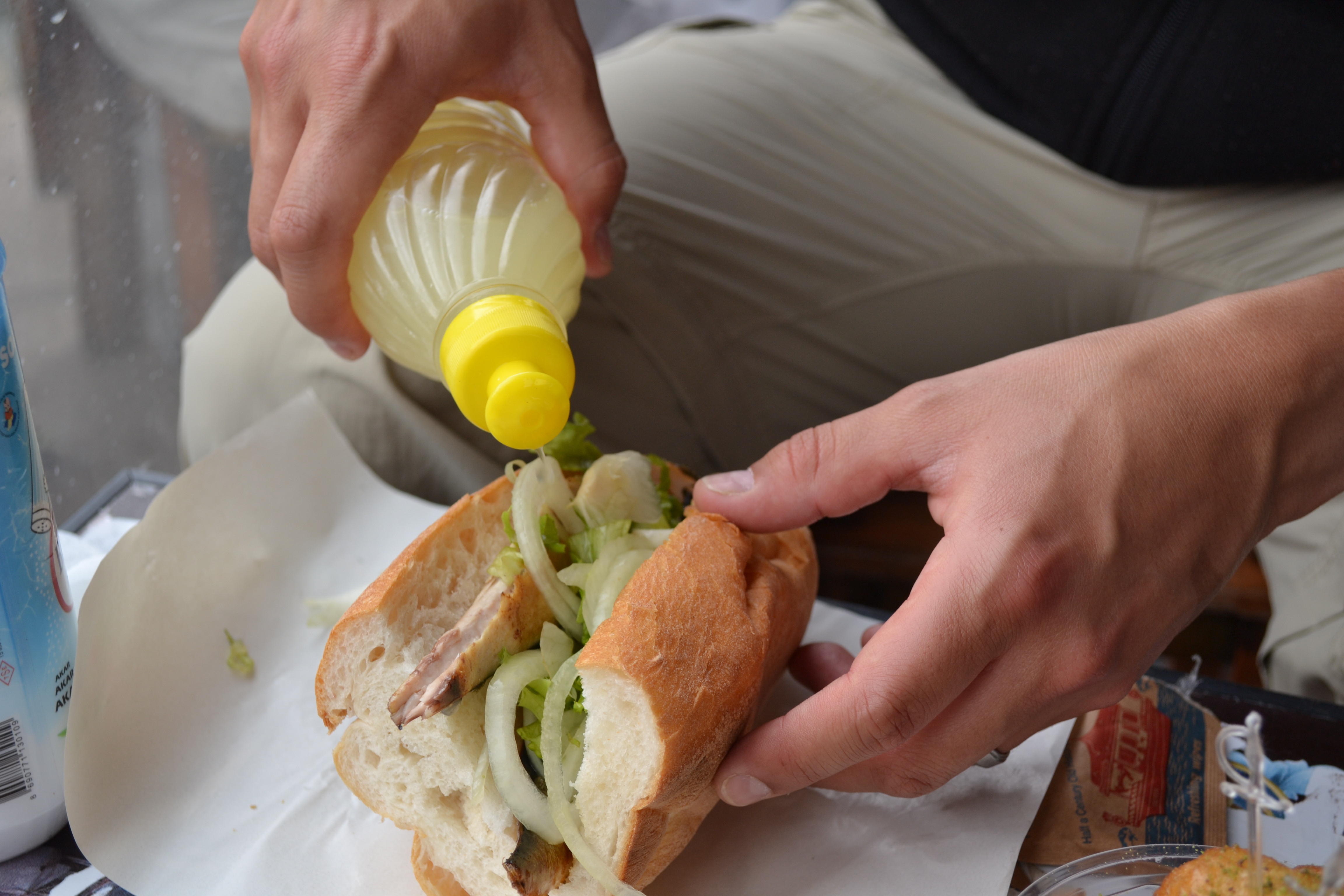
“Fish Bread” served with lettuce, onion, lemon juice and salt. The best lunch in town for 5TL ($3 USD).

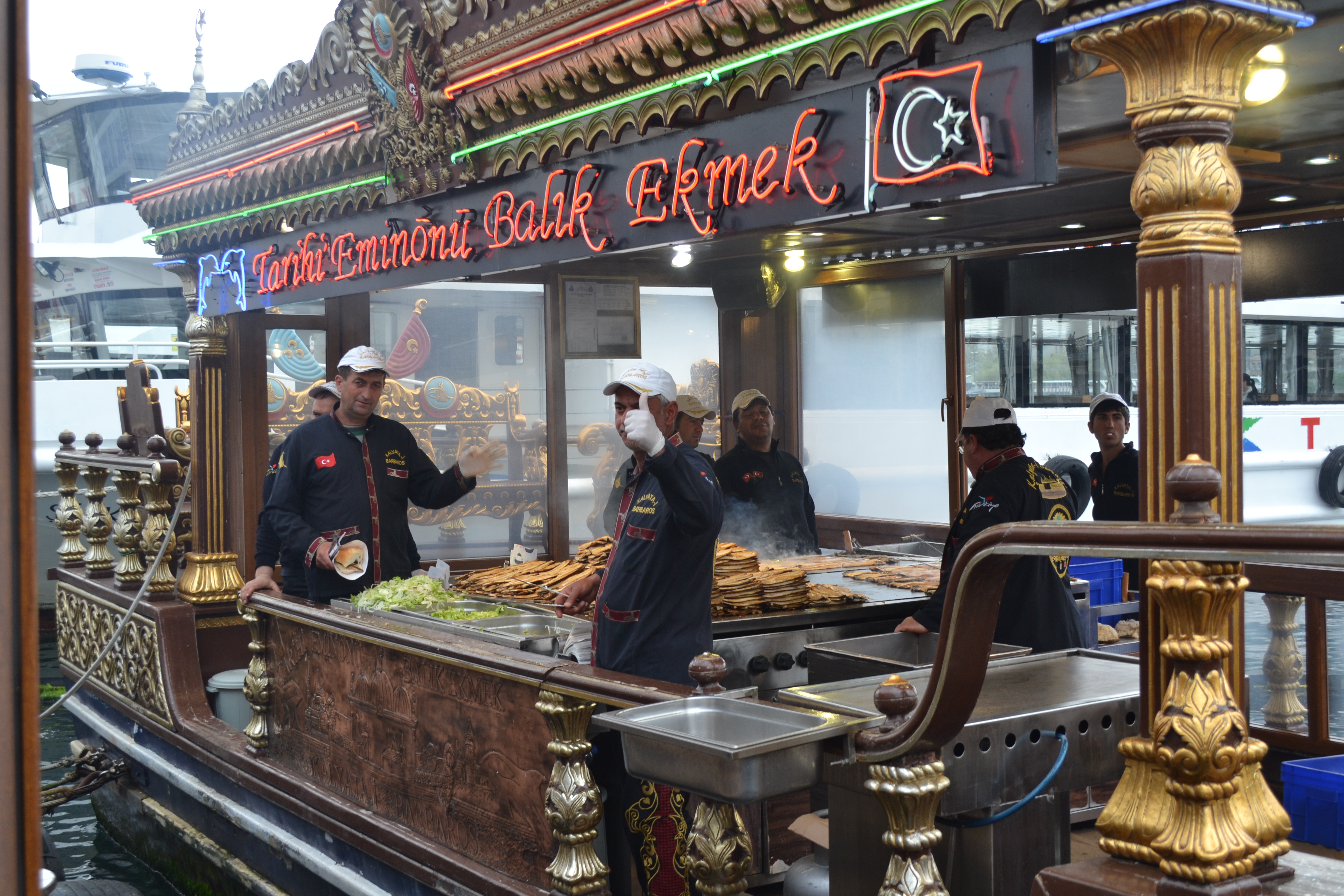
These tasty fish sandwiches are prepared on boats floating near the Galata Bridge. The fish is grilled, deboned, placed in the bread, and handed to the cashier onshore.

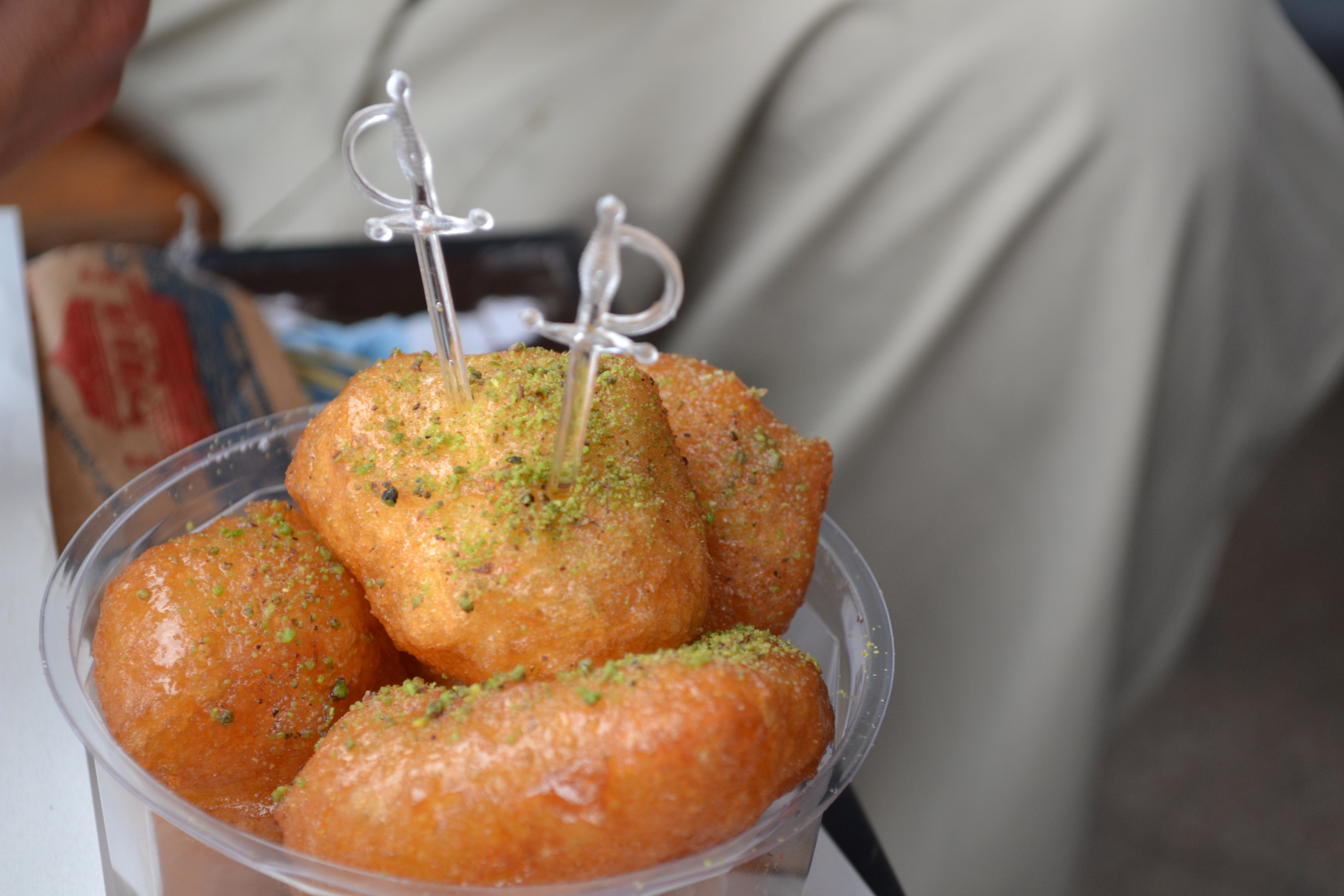
Once seated with fish bread, you’ll find vendors walking around offering up a variety of extras to complete your meal. These dough balls are fried, drenched in honey, and sprinkled with ground pistachios.

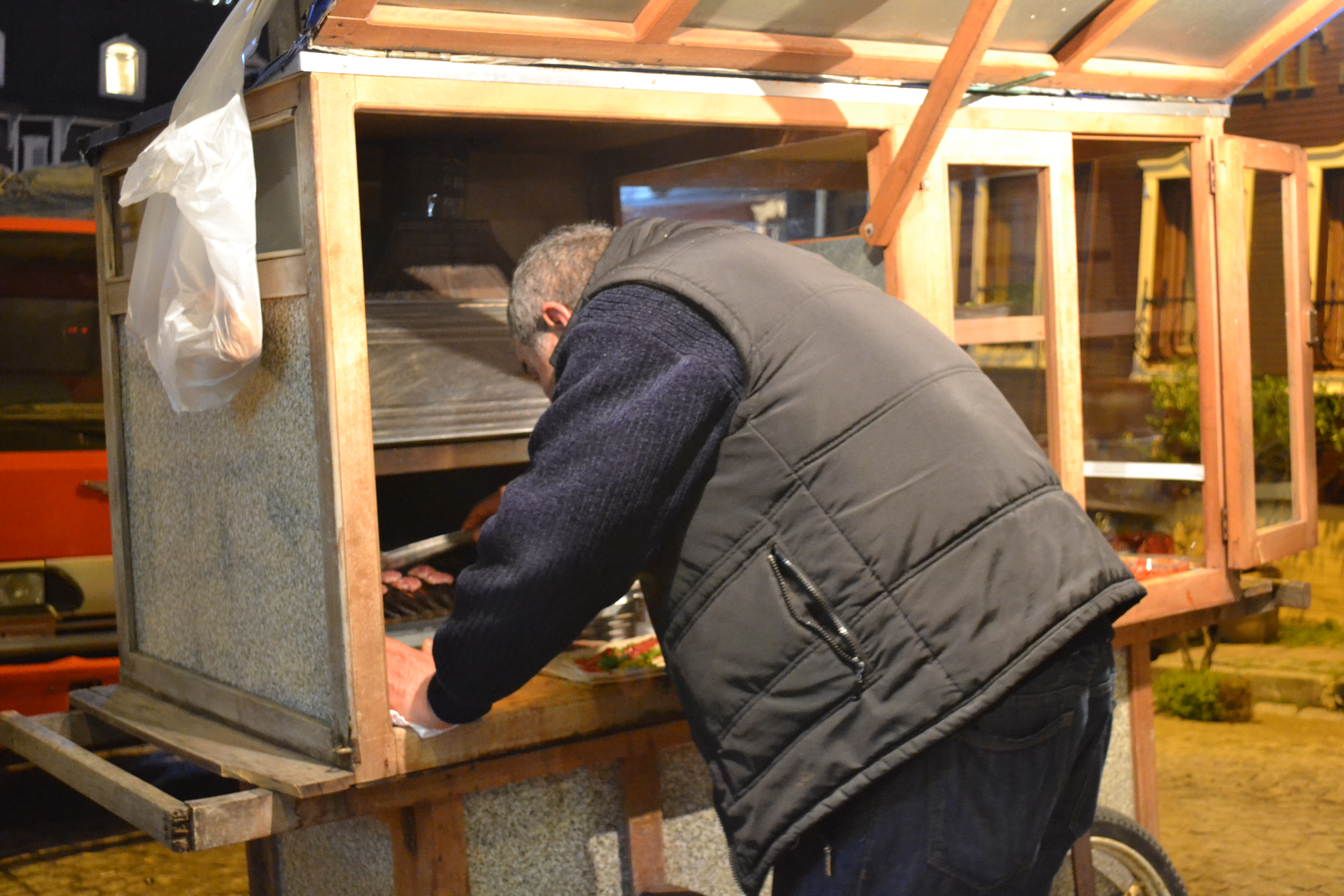
Mr. Foko set up his kebab stand near our hostel in Sultanahmet everyday around 6pm. He grilled up spicy chicken, meatballs or lamb and served them in bread or wraps for only 5TL. It is the best and most affordable food in this expensive area of town.

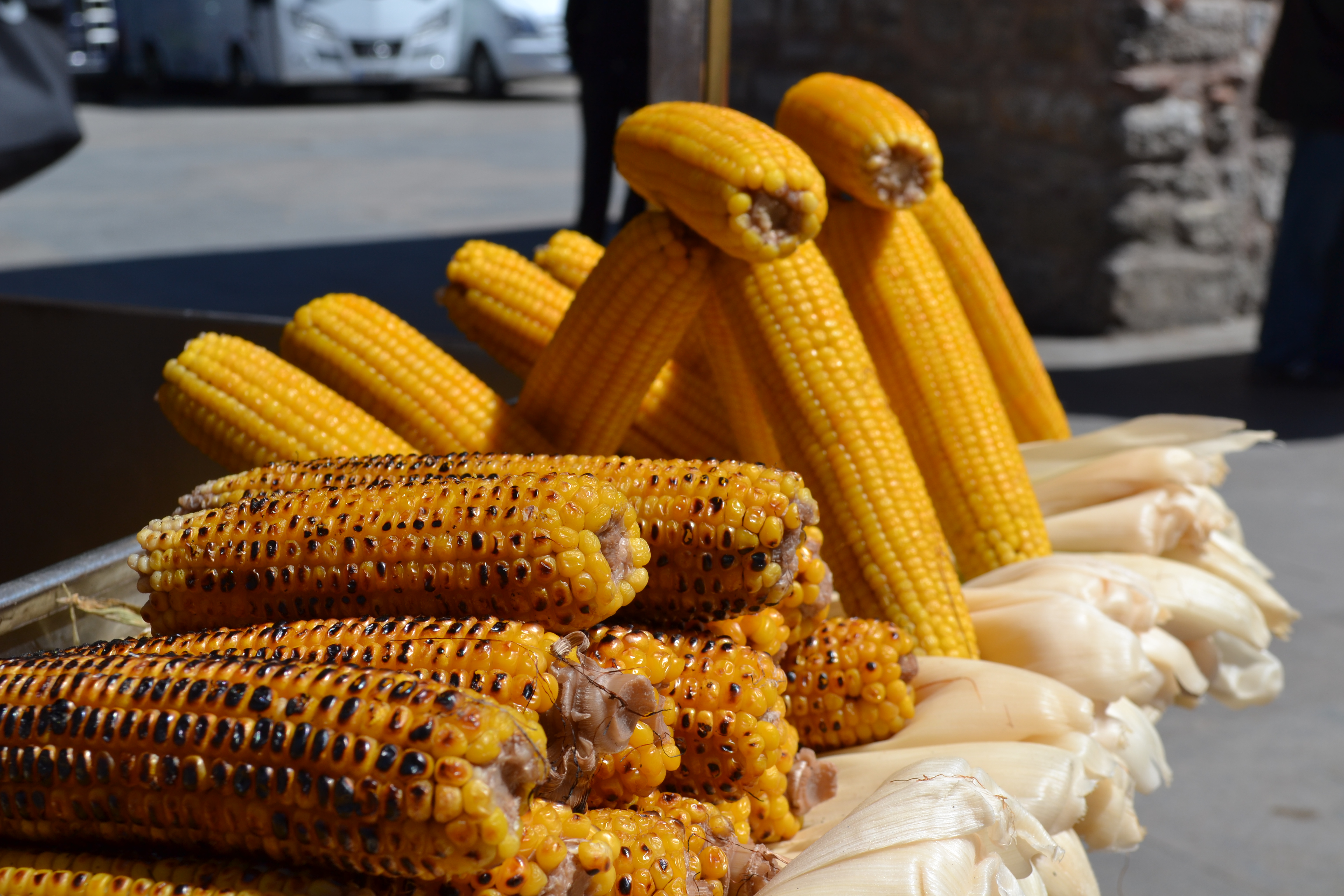
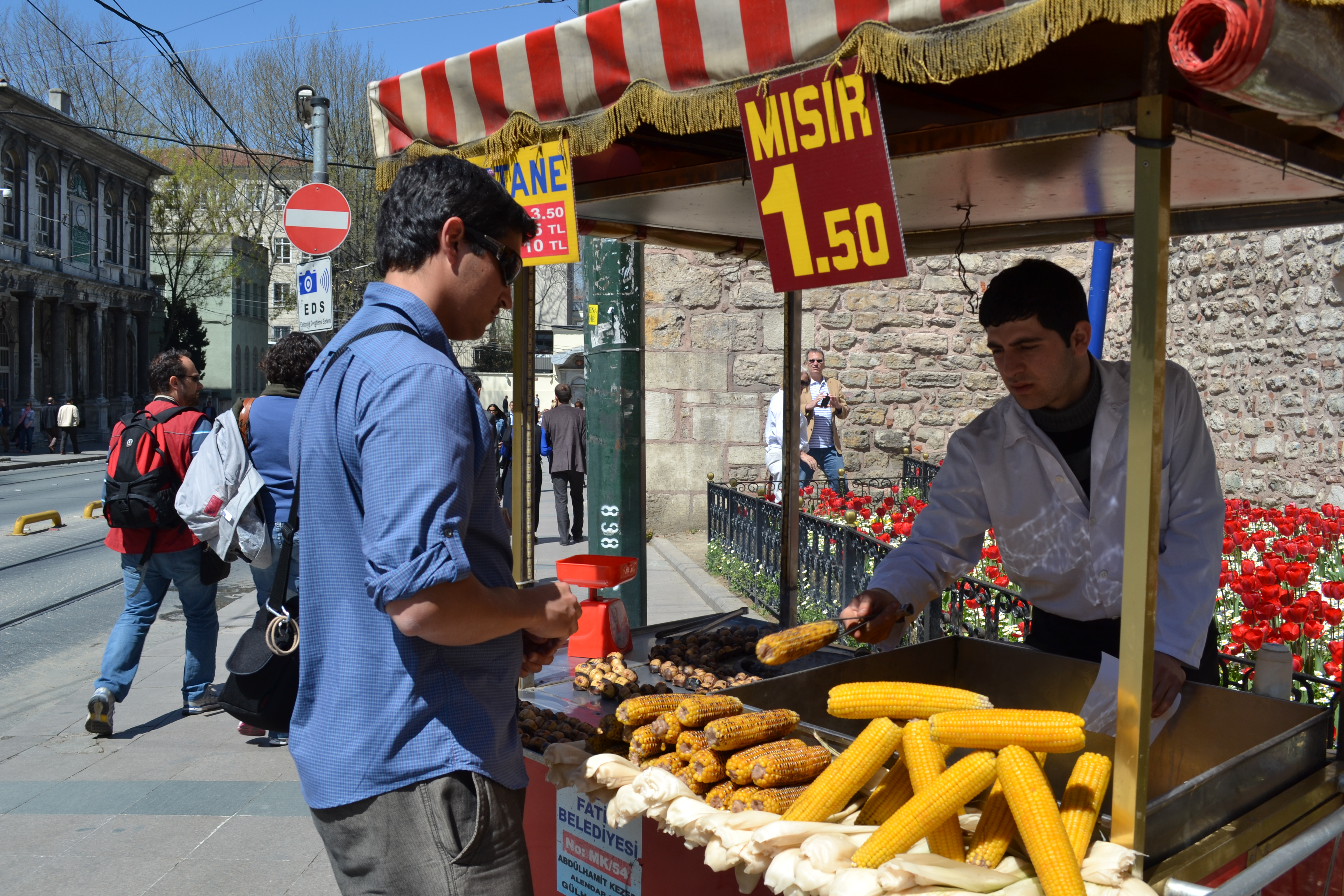
Grilled corn vendors are posted on most streets and squares in Istanbul. The ears come hot (if you insist on one fresh out of the boiling water) and heavily salted.

Mike ordering up an ear of corn outside of Topkapı Palace.

RESTAURANTS – Great local eateries off the beaten path

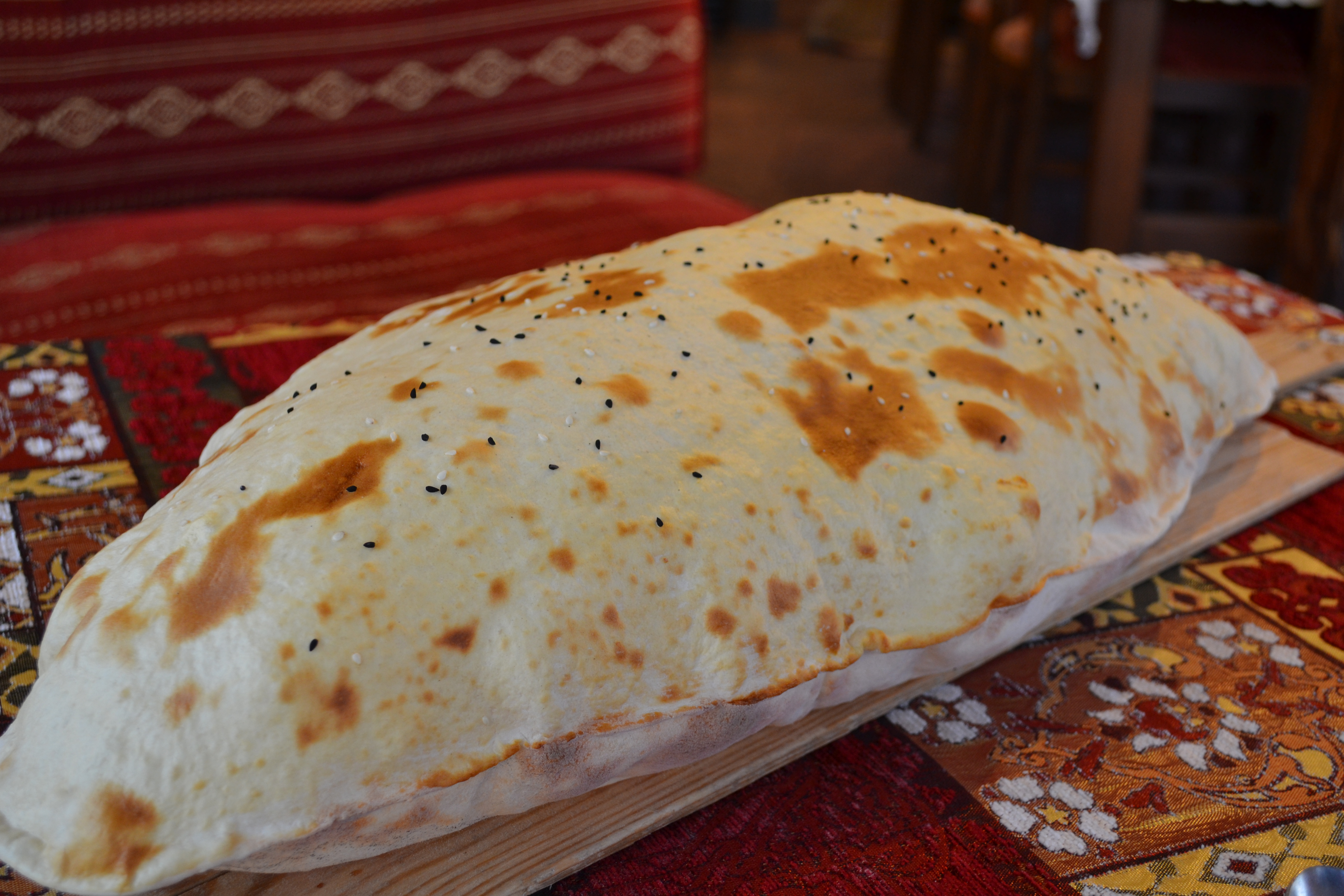
We vote this the most fun bread served at a restaurant. It comes straight out of the oven to your table, puffed up with air and sprinkled with tiny sesame seeds.

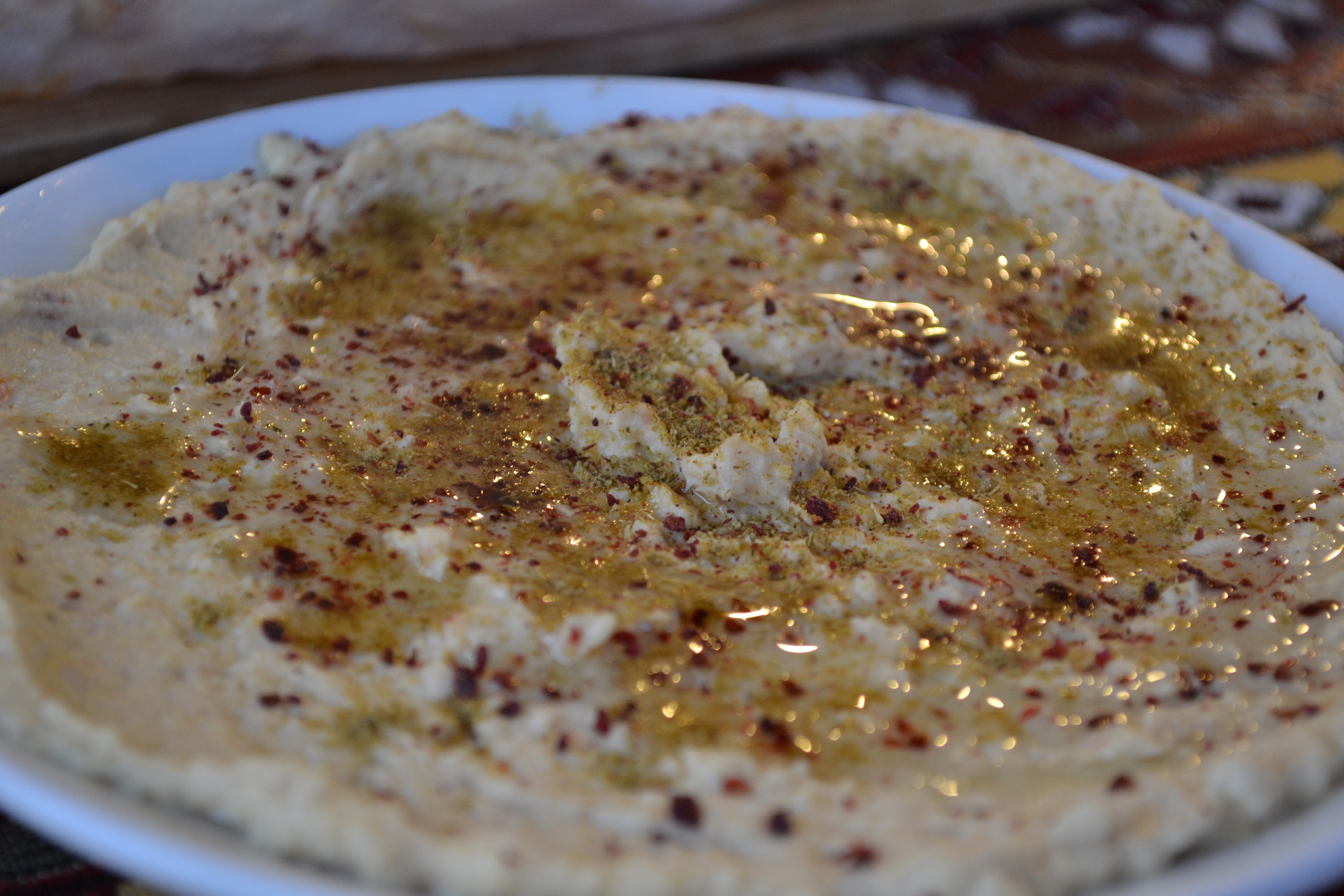
Each dish of hummus we had in Turkey was very unique; ranging from creamy to grainy and with a variety of spices. This photo is of one of favorites and was served with the puffy bread pictured above.

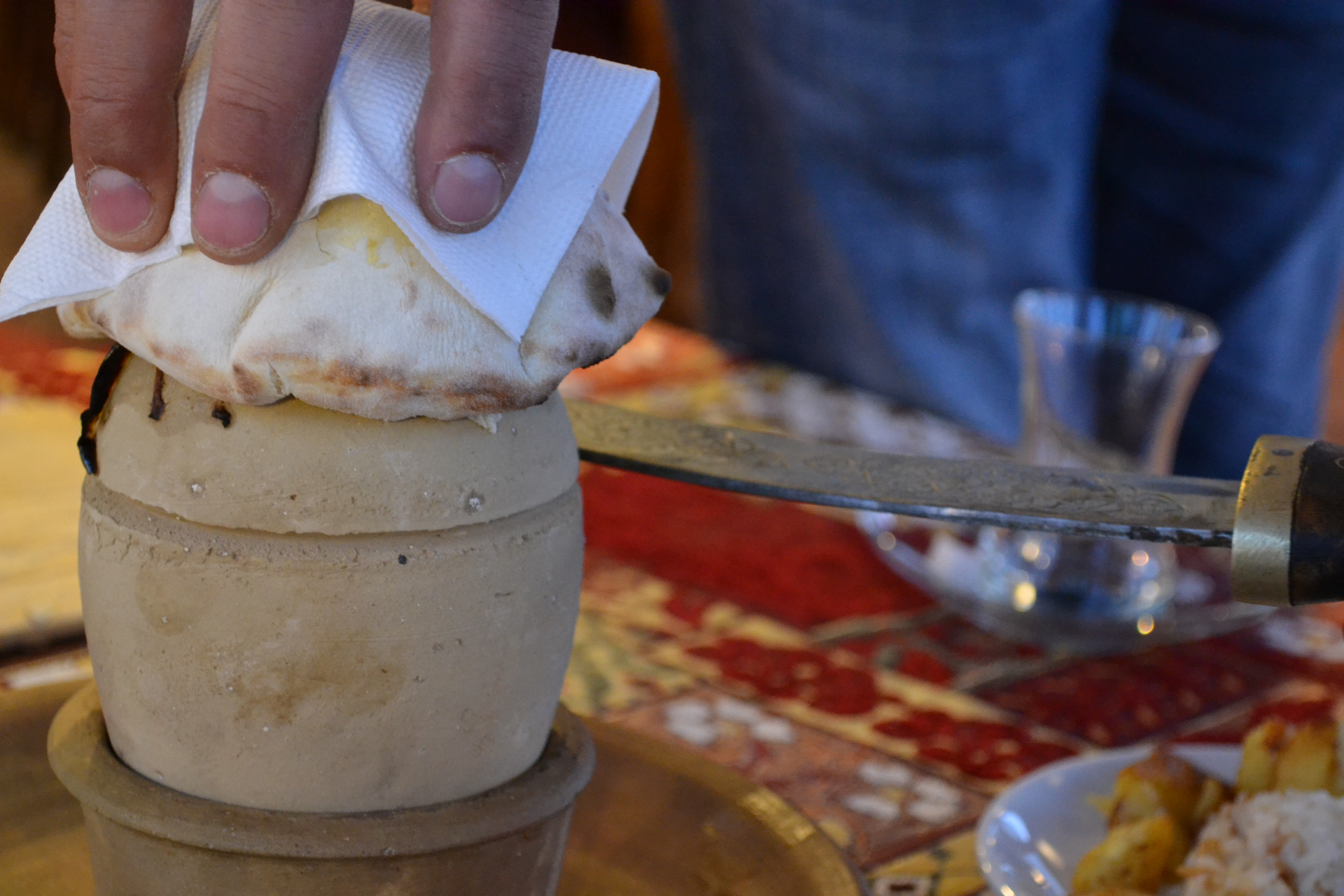
Our waiter handed Amy this knife and said “kill him.” It was a very confusing interaction. Turns out this is the traditional (or perhaps invented for tourists) way to open up Turkish pottery kebabs. Enclosed clay pots are filled with meat, vegetables and bulgur, covered with dough and put into a fire. Once ready, tapping a few times with a sword opens them right up.

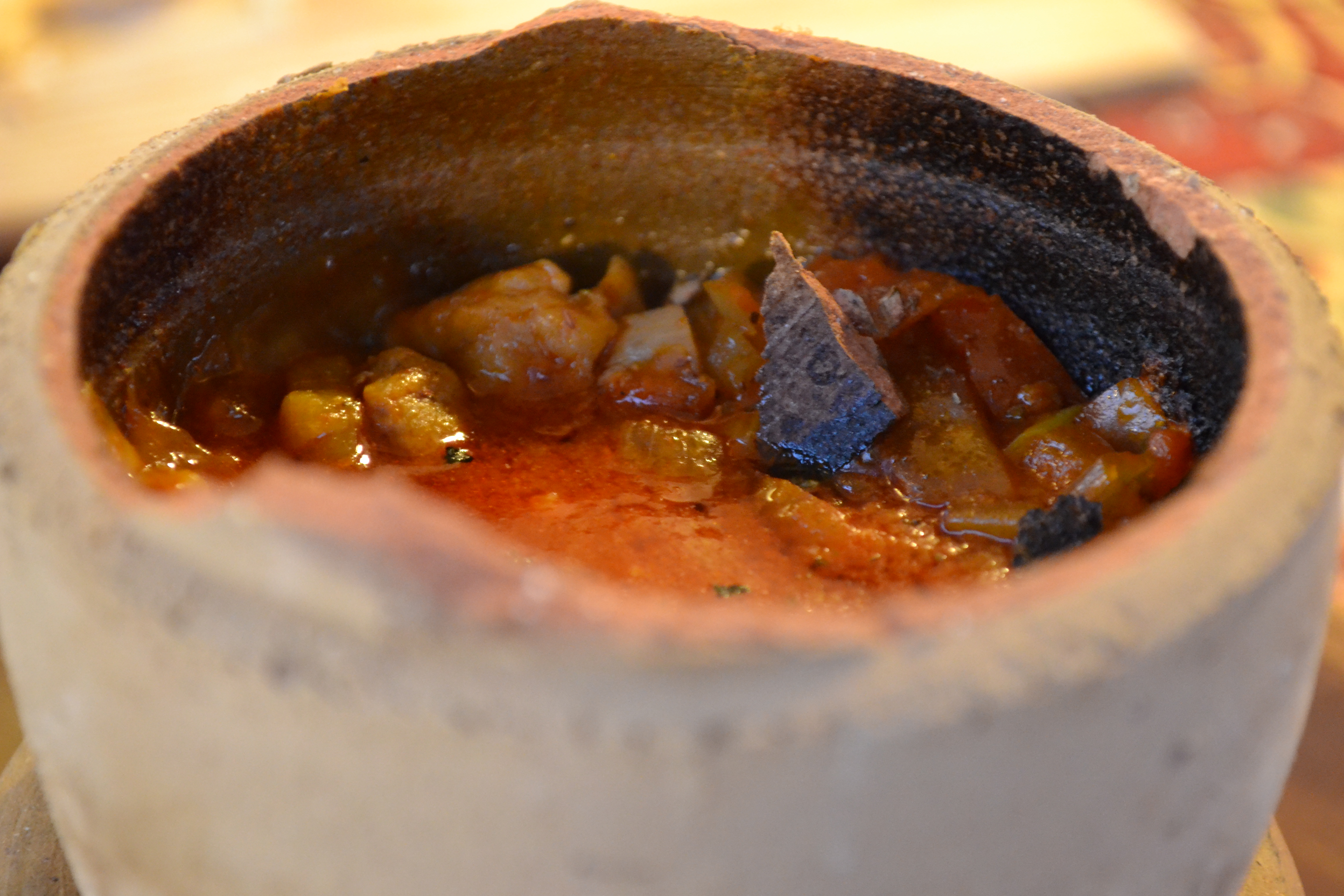
Once opened, the bubbling goodness is revealed. But, watch out for chips of clay!

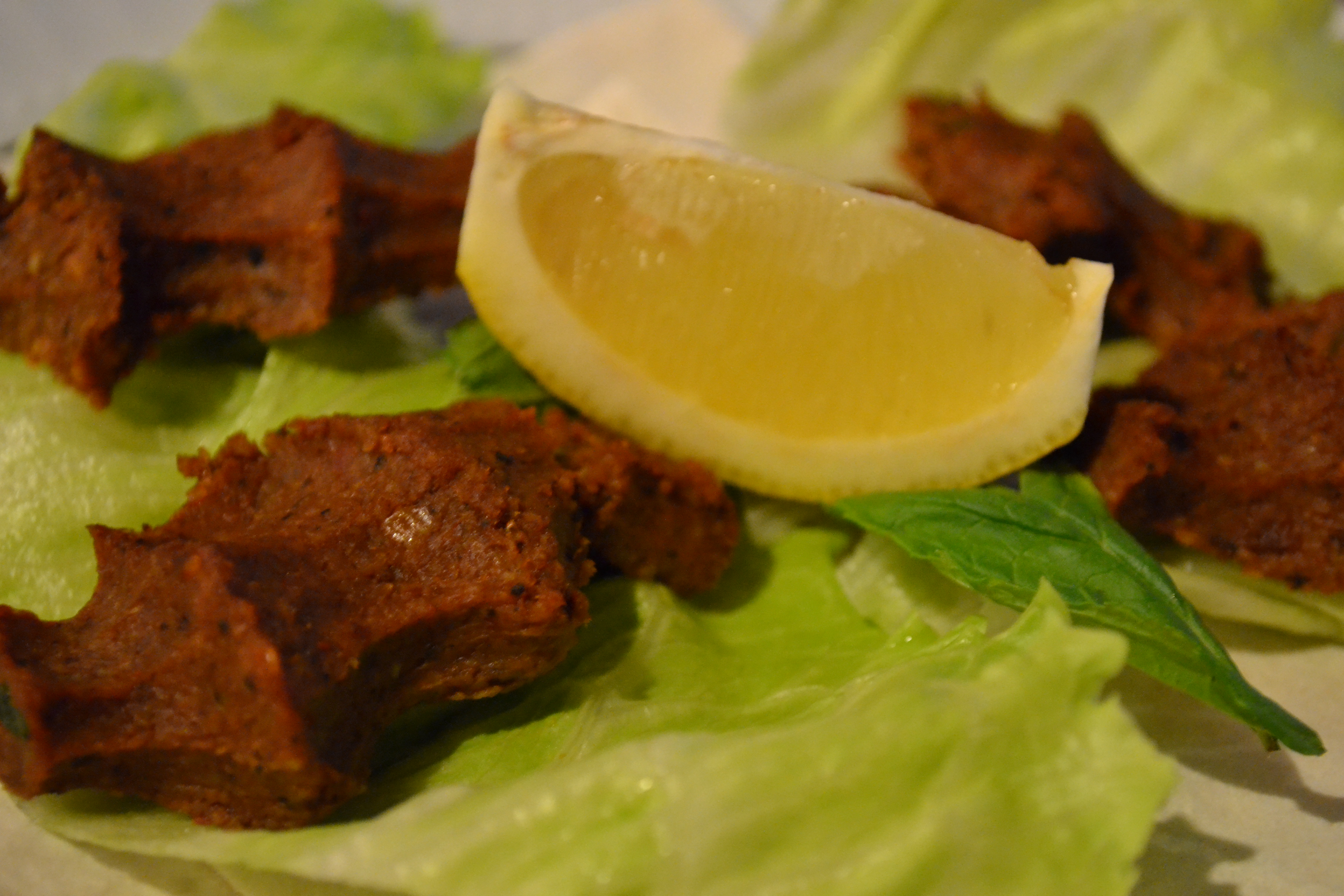
Possibly our favorite Turkish appetizer, çiğ köfte, is made from bulgur, tomato and dried pepper. The dish originally contained ground beef as well, but nowadays is purely vegetarian. Served with lettuce and lemon, it is a great way to start a meal.

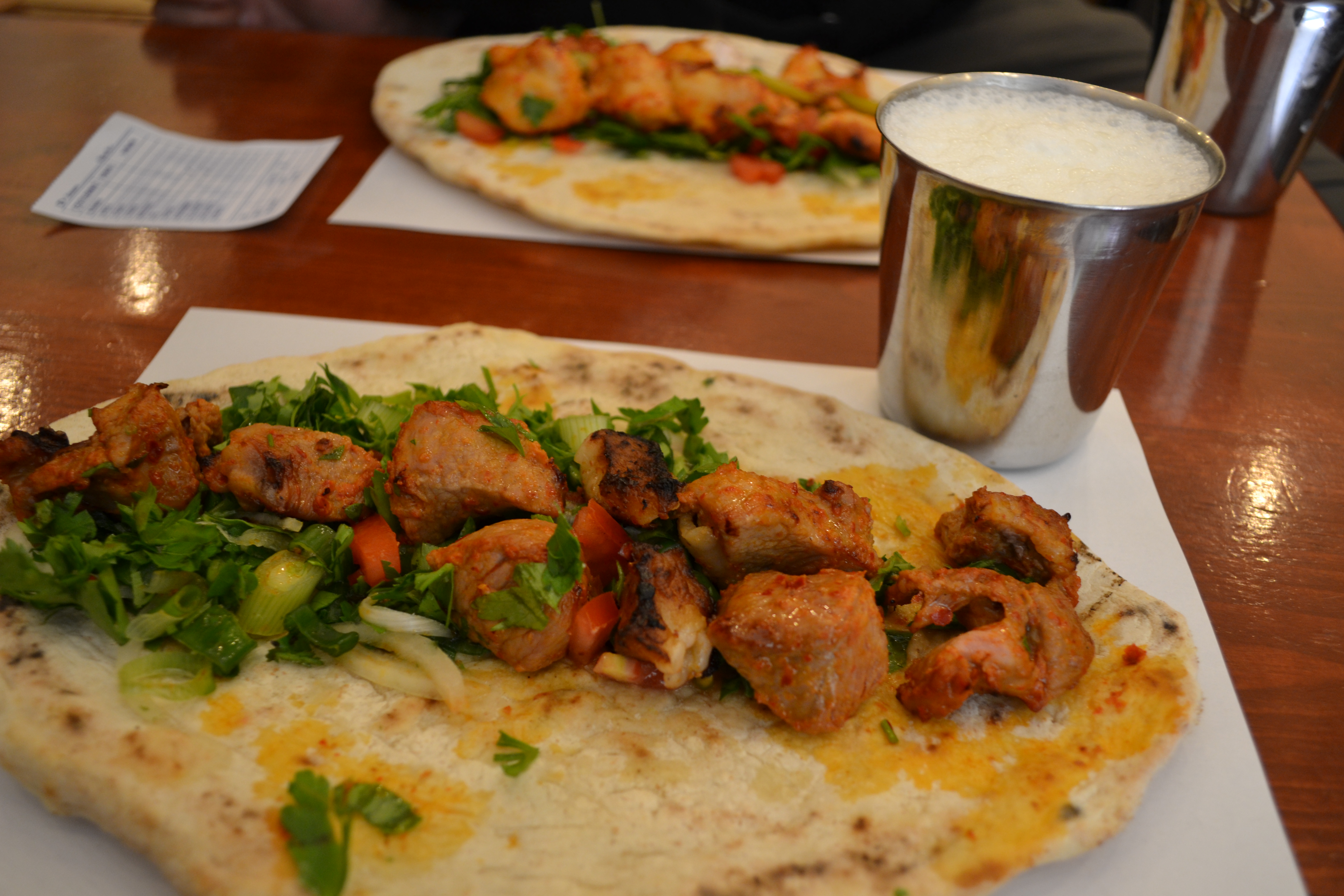
During our second visit to Istanbul, we found a fantastic local restaurant called Hayri Usta. We tried a variety of wraps over our four meals there, and the Adana Durum pictured above was our favorite. The frothy drink is called ayran, which is yogurt water (sounds gross, but is delicious) – a must have with any Turkish meal!

DESSERT – Turkish sweets are normally taken as an afternoon pick-me-up, rather than following a meal

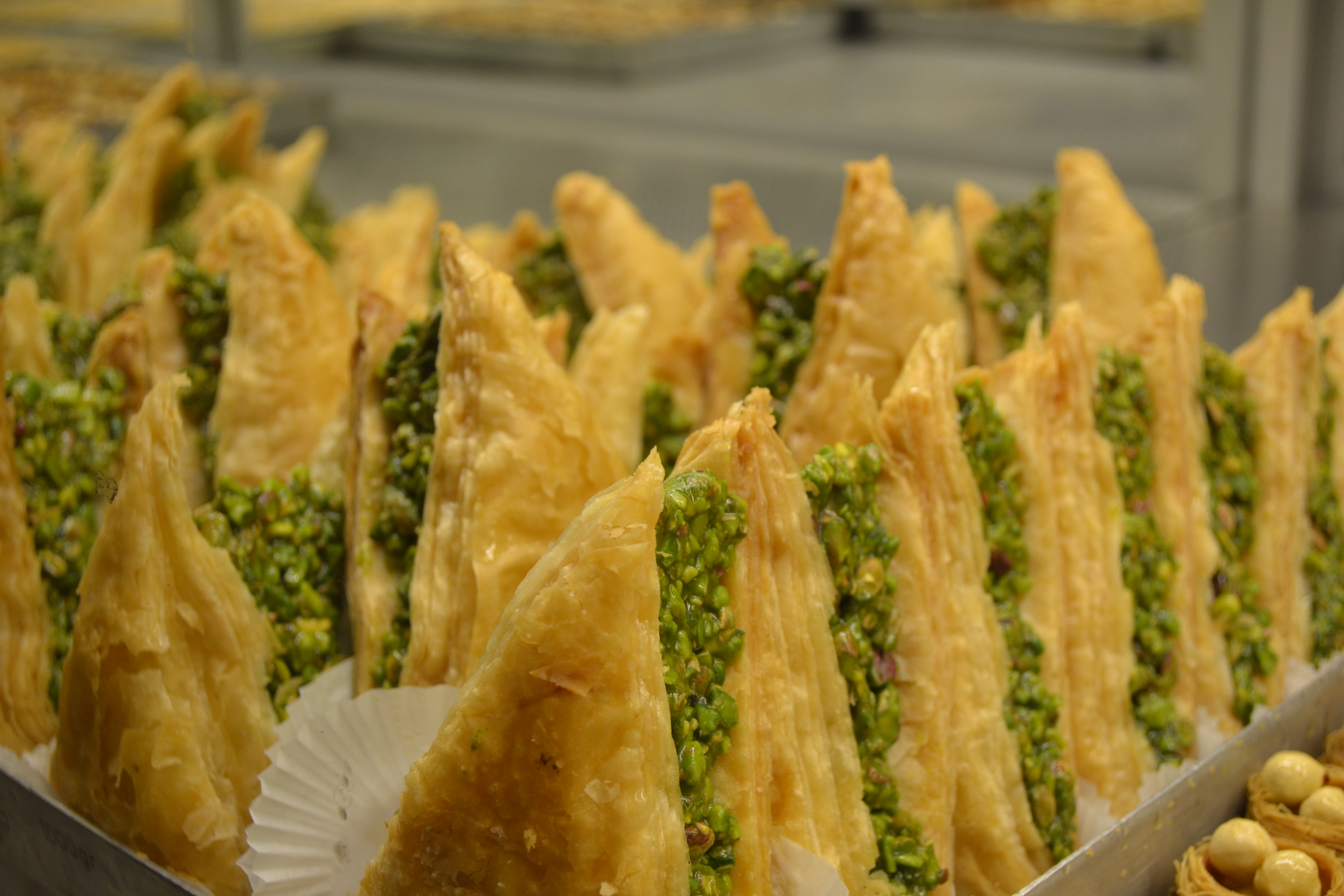
Beautiful and delicious pistachio pastries

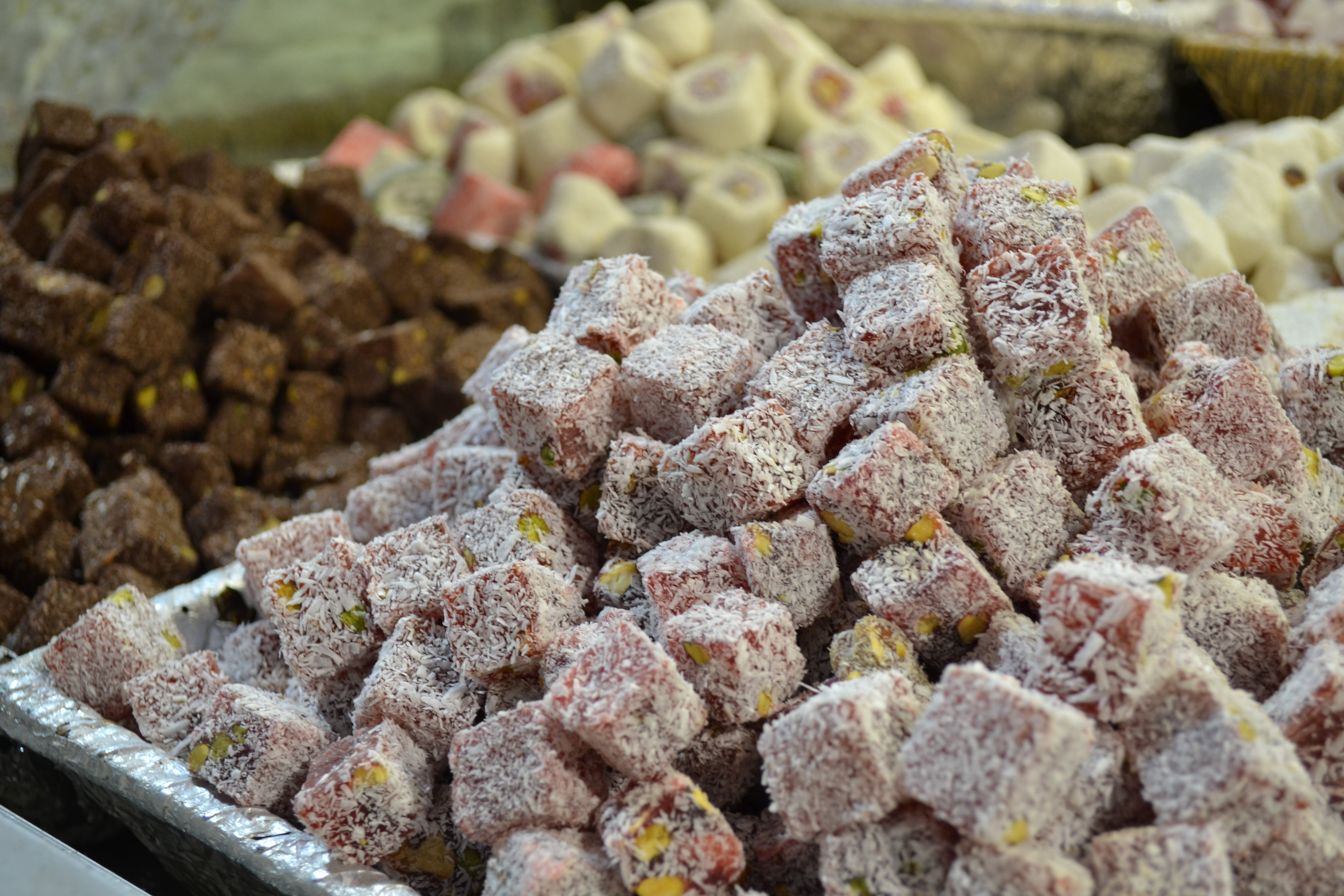
Last but not least, the famous Turkish Delights. There are countless flavors of these delightful delicacies to be found all over the city with the greatest selection at the city Spice Market.

Read Full Post »

When we woke up the morning after our hectic first night in Dubrovnik, we were ready to turn a new page and enjoy ourselves.

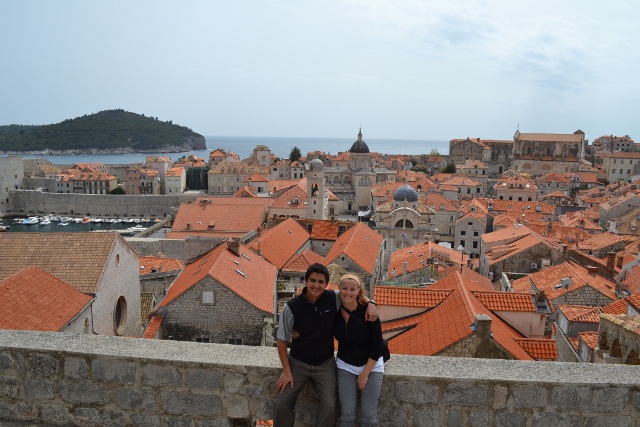
View of Dubrovnik’s old town from Fort Lovrijenac.

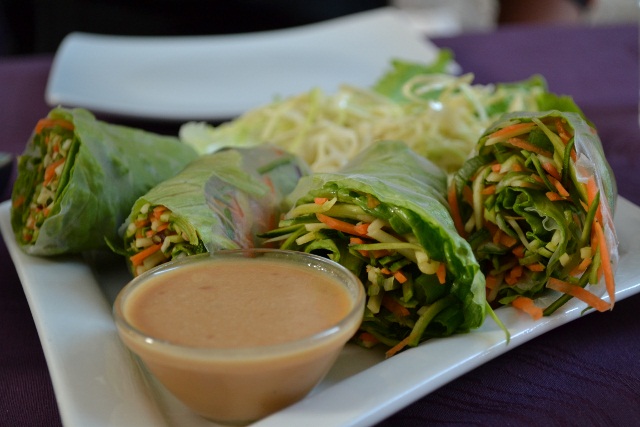
We started off by having lunch at a great vegetarian restaurant in the old town called Nishta. In central and eastern Europe, there is no lack of meat and potatoes, so stumbling upon a creative vegetarian restaurant was very refreshing. We loved this place so much that we ended up eating there three times during our short stay in Dubrovnik. By the way, we received no compensation for writing this, we just loved it that much. After a satisfying lunch, we were off to explore the town.

One of the many tasty dishes we enjoyed at Nishta Vegetarian Restaurant.

As a UNESCO World Heritage Site and one of the most picturesque old towns in Croatia, Dubrovnik has become a tourist hotspot. Even though we were there in the off-season, the town was still crawling with visitors; not our ideal way to travel, but worth it, considering the sheer magnificence of this place.

Even though the wall walk is only 2km, it took us nearly 3 hours! We were stopping constantly to snap photos and enjoy the view.

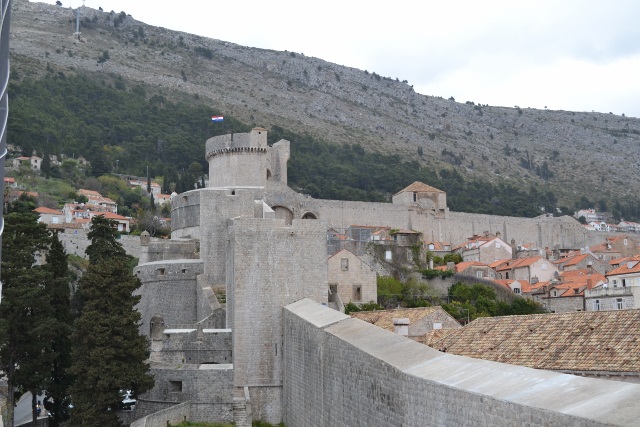
Many European cities that we have visited claim to have amazing castle districts; however, Dubrovnik is truly the definition of a town within a castle. The wall completely encircles the old town, with only four gates with which to enter and exit. The best way to soak up the spectacular views is to take the “wall walk.” Tickets cost 70 KN (about 12 USD) and allow you to walk along the entire exterior wall of the city and visit the nearby fort. The walk is about 2km long and provides a 360 degree perspective on the city, sea and nearby islands.

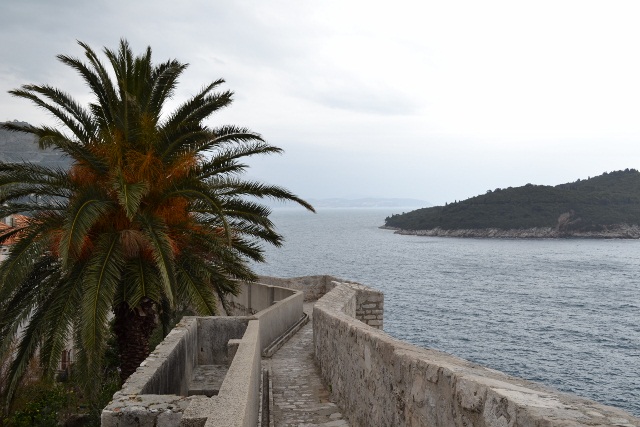
View from the wall towards Lokrum Island.

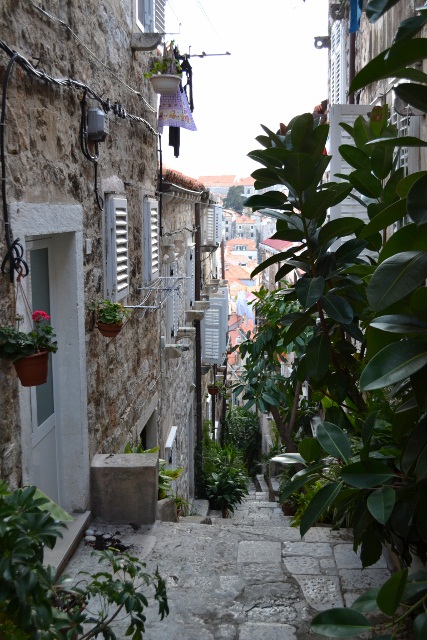
One of the things that amazed us was the massive amount of stone and man power that went into constructing not only the wall, but all of the streets and buildings located inside of the city wall. Everything is made of stone.

During the 1991-92 Siege of Dubrovnik, the castle walls proved to be more resistant against modern weaponry than newly constructed buildings.

Another feature to note is that most of the city’s buildings are situated on steep hills, so exploring the town is quite literally breathtaking. After our first day we were exhausted, so we headed back to our hostel for a home cooked meal. The kitchen was located on the ground floor, and we couldn’t help but chuckle as we heard other tourists panting and gasping “I need a break” as they walked by our door.

The end of the 60+ stairs leading up to our guesthouse.

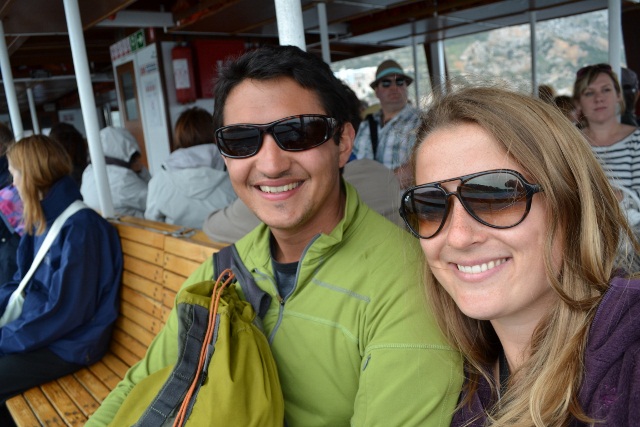
On one of our days in Dubrovnik, we decided to take a ferry to the nearby island of Lokrum. Being only a 15 minute ride makes Lokrum easily accessible as a half-day or full-day trip from Dubrovnik.

Heading out for a day of hiking on Lokrum Island.

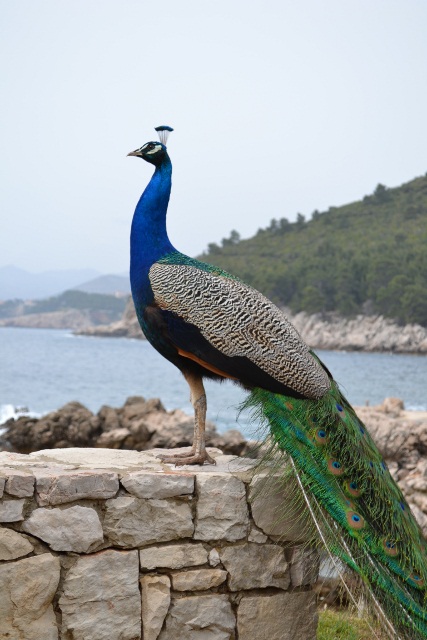
Lokrum is a great place to take in views of Dubrovnik and sunbathe as well if the weather is right. We brought lunch with us and hiked around the edge of the island to find the perfect picnic spot. This proved a little more difficult than we had imagined due to the infestation of peacocks on the island. Peacocks were introduced from the Canary Islands and the population has since spread out of control. These birds will not leave you alone once they figure out that you have food in your pack.

They look beautiful, but they are really just over-sized pigeons.

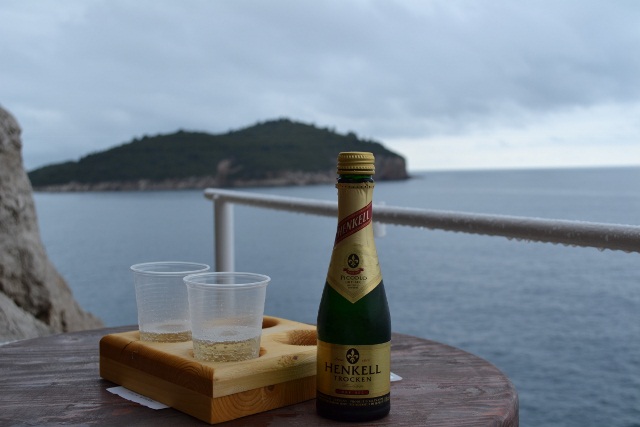
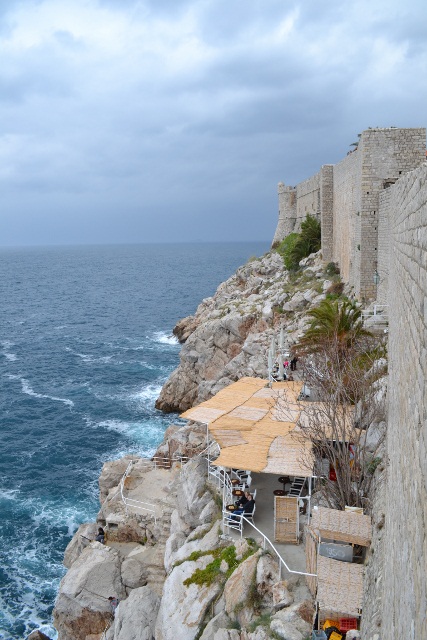
It rained on and off on our last day; for Amy, as a native Oregonian, rain is always a welcome sound and smell. In between the clouds, we stopped for a glass of bubbly at a bar that is situated on the rocks which form part of the castle wall. Definitely a splurge from our usual backpacker budget, but champagne always tastes better with a view.

The view that justified the cost.

The only sign we could find for this place read “Cold Drinks” – we think that name sums it up pretty well.

Excluding our hostel mishap that we shared in Part II of this series, we absolutely loved the Dalmatian Coast. While Croatia has been growing in popularity among tourists in recent years, it still seems to be somewhat under the radar, but surely won’t be for long. The islands, beaches and cliffs that make up the Dalmatian Coast are a sight to see, and the Croatian people are so welcoming that you immediately feel at home in their country. We will definitely be back.

Read Full Post »

Three days ago, while waiting at the train station, we started chatting with a fellow passenger about our RTW trip. Next thing we know he whips out a business card and…April Fools! That was just a ploy to get you to read our post. It’s about our wine tasting adventures in Eger, Hungary, and we promise if you keep reading you’ll enjoy it (especially if read with a glass, or bottle, of wine). And maybe if you tell enough of your friends about our blog, we might be on the Travel Channel someday 🙂

Eger is home to Hungary’s infamous “Bull’s Blood” red wine (Egri Bikavér). It is delicious stuff; a cuvee made from a blend of three or more grape varietals, many of which we had not heard of before our visit. You can taste Bull’s Blood, and many other red and white wines, in an area just outside of the old town called The Valley of Beautiful Women.

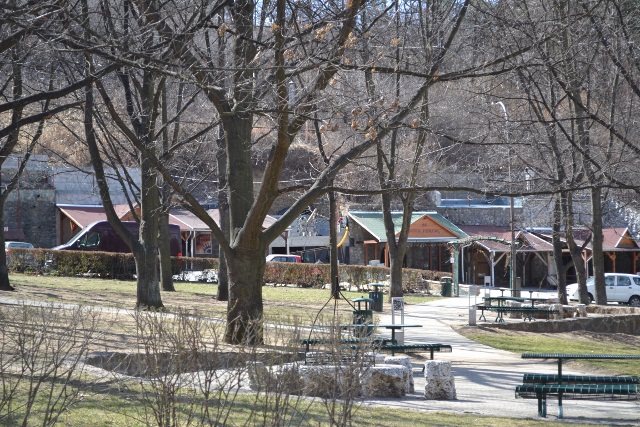
Wine cellars line the horseshoe-shaped road that makes up the Valley of the Beautiful Women

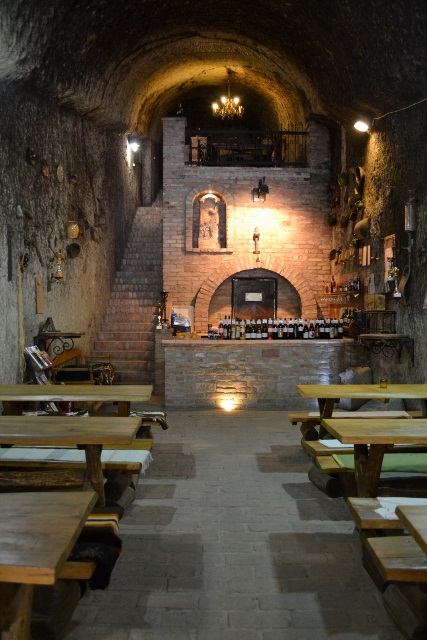
Interior of cellar #19, the first stop of our wine tasting adventure.

The cellars in the valley are lined up one right after the other and vary quite a bit in terms of their décor and seating arrangements. Some are very well appointed with great patios; others are simply holes dug into the side of the hill with standing room only. Either way “tastes” of wine, which are actually full glasses, start 90 HUF, which is less than 50 cents! The price and proximity of the cellars make this a gloriously dangerous place. The good news is that the walk back to Eger only takes about 15-20 minutes.

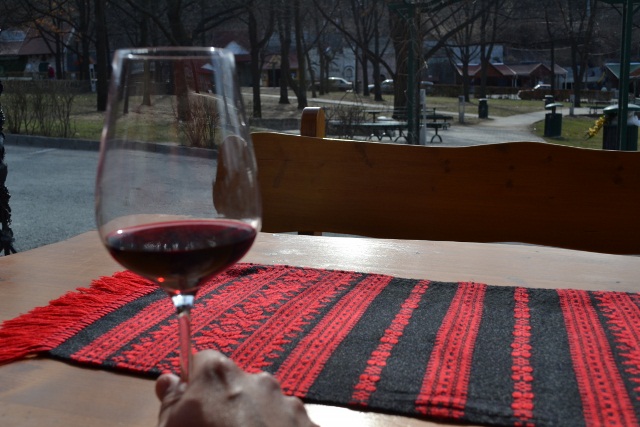
Enjoying a glass of Bull’s Blood at cellar #17

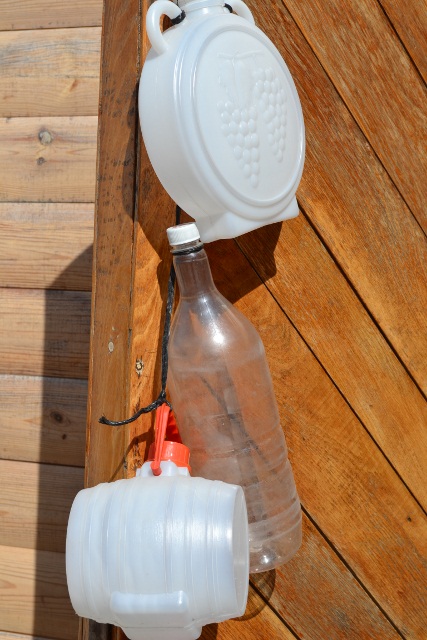
If countless glasses of wine haven’t quenched your thirst, the cellars also sell wine in bulk, poured straight from large tanks. You can buy plastic jugs to have filled with your favorite wine, or can bring your own container.

Plastic containers are available everywhere in the Valley, so you can take home a liter too.

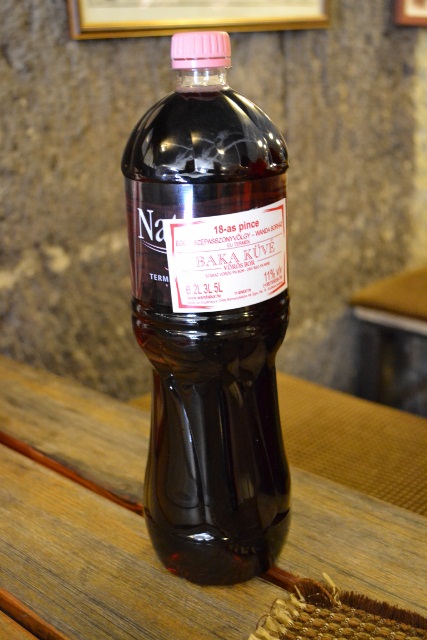
Someone filled us in on the wine-by-the-liter deal before we arrived, so we brought our own water bottle. Reduce, reuse, recycle, right?

“I’ll take 1.5L of Bull’s Blood to go, please!”

It is a funny sight to see locals and tourists alike carrying grocery bags full of wine in plastic bottles. We got our 1.5 liter bottle filled for just under $4 USD.

A few locals carrying away their stashes of wine for the weekend.

Aside from wine tasting, Eger is a fairly small town with few tourist attractions; easily covered on foot in a few hours. In our previous blog we talked about how much we loved the Hungarian food in Budapest, and the trend continued in Eger. We stumbled upon a fantastic restaurant near the castle called Imola and had one of the best meals of our trip thus far. The highlight was a smoked duck appetizer served cold with goose liver mousse and berry preserves. We aren’t usually huge fans of liver, but this dish was stellar! It was a bit shocking to find such an amazing and elegant restaurant in a small agricultural town.

Spending a few nights in the countryside was a perfect way to wrap up our time in Hungary and relax before a busy two days of train travel to our next destination, the Dalmatian Coast in Croatia.

Read Full Post »

Until a few weeks ago, we had envisioned Budapest as one city, but the fact is  there are many sides to this spectacular place.  From a literal perspective, there are two sides, Buda and Pest, sitting opposite each other along the Danube River. They officially became one city in 1873 and today are joined by a series of bridges and rail lines that make up the greater city of Budapest. However, beyond the two banks of the river, lie the many different faces of Budapest, and this is what makes it such a great place to visit; there is something for everyone.

Budapest for the History Buff

Like many other capital cities in Europe, Budapest features a historic castle quarter. Located on the Buda side of the river, Castle Hill is the place to go for the best views of the city, and it is home to several museums and monuments including, not only Buda Castle, but numerous churches, the National Széchenyi Library and Sándor Palace, the official residence of Hungary’s President.

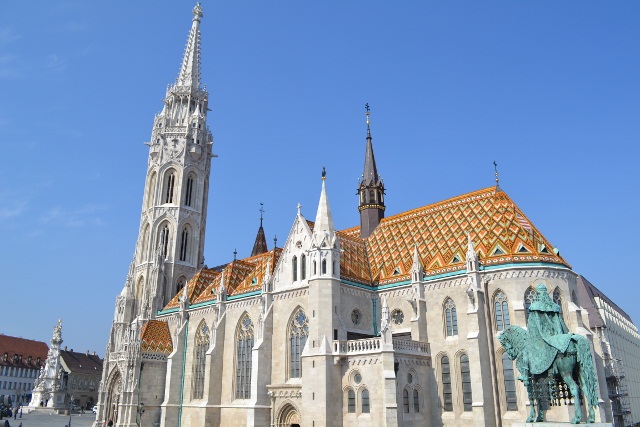
Check out this spectacular diamond tiled roof of the Matthias Church on the Buda side

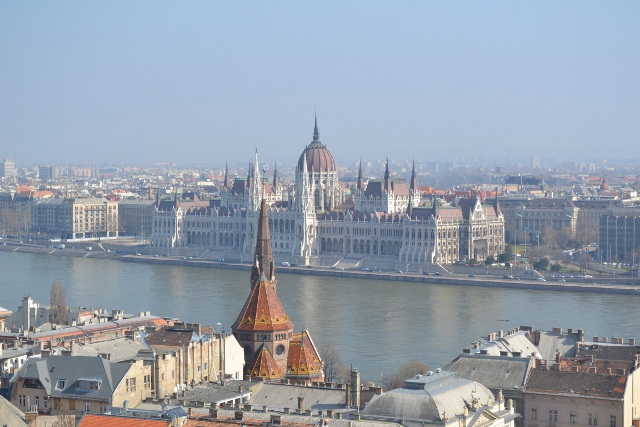
View of the Hungarian Parliament Building as seen from Fisherman’s Bastion

After exploring the castle district, take a ride on Budapest’s underground metro system, the oldest subway system in continental Europe. Many of the stations have classy tile work and a very historic feel to them. Lastly, don’t miss the Hungarian National Museum which houses great exhibits about the nation’s history and current archeological excavations.

Budapest for the Foodie

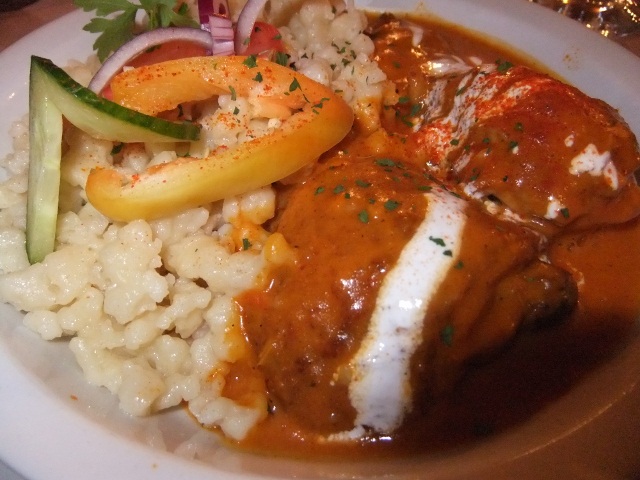
Eastern European food is generally not anything to write home about; but, we had high expectations for Budapest. The bar was set high by one of our favorite restaurants from home, a Hungarian spot in Denver called Budapest Bistro. We were not disappointed. Hungarian food takes the basic meat and starch components that are used in so many Eastern European countries and jazzes it up with paprika. This spice doesn’t add heat, but flavor. Some of our favorites included: chicken paprikash, rabbit in red wine sauce and garlic seasoned goose leg.

Chicken paprikash with spaetzle…this picture does not do it justice, we were more concerned with eating it at the time than getting a good shot

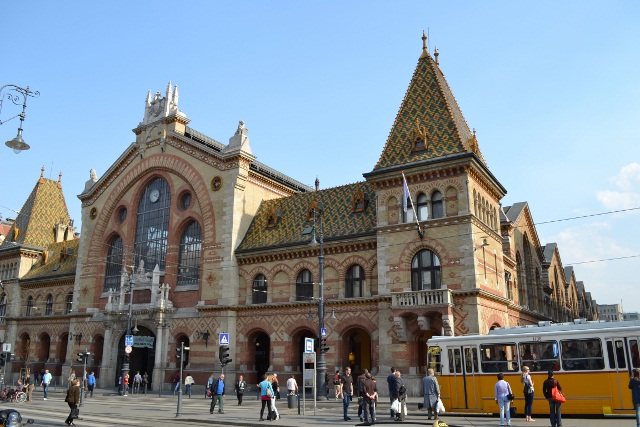
In addition to the traditional Hungarian restaurants that cover the streets of Buda and Pest, you should also check out the Central Market Hall (Nagy Vasarcsarnok). At a first glance, this market looks like any other in Europe with produce, meat and seafood stands, but upstairs there are several food counters where you can graze to your heart’s content. We particularly loved the stuffed cabbage rolls.

Nagycsarnok in Budapest – Home of many delicious Hungarian food stands

Budapest for the Party Fiend

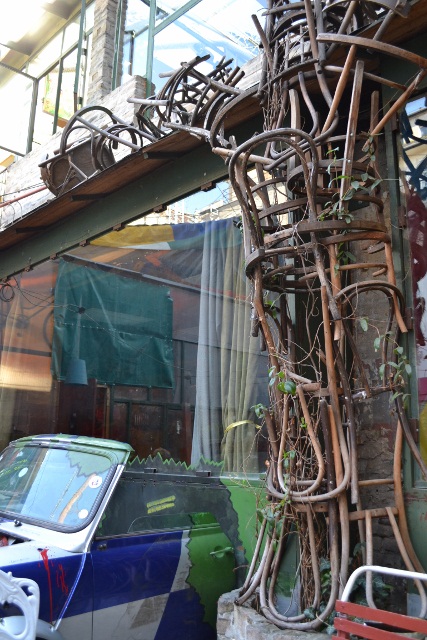
If you don’t look closely, you may miss one of the most interesting parts of Budapest’s nightlife: ruin bars. Tucked into warehouses and dilapidated buildings, these bars are often unmarked and therefore easy to miss. Stop by during the day for a relaxing coffee or beer, or visit on a Friday and Saturday night to experience the liveliest atmosphere in town. Ruin bars are eclectically decorated, including anything from rusted old cars that have been converted into seating to toilets that are being used as planting boxes. They feature many types of entertainment from DJs to dancers to interactive art pieces.

Funky decor in Szimpla’s outdoor patio

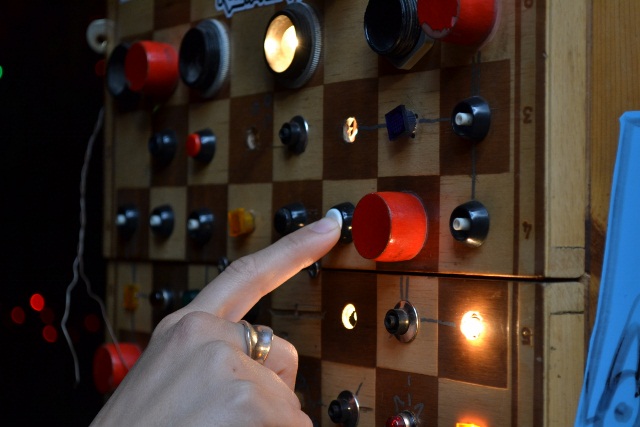
Random and fun interactive art piece in Szimpla Ruin Bar. This basic circuit board controls a crazy assortment of lights, bells, whistles and music.

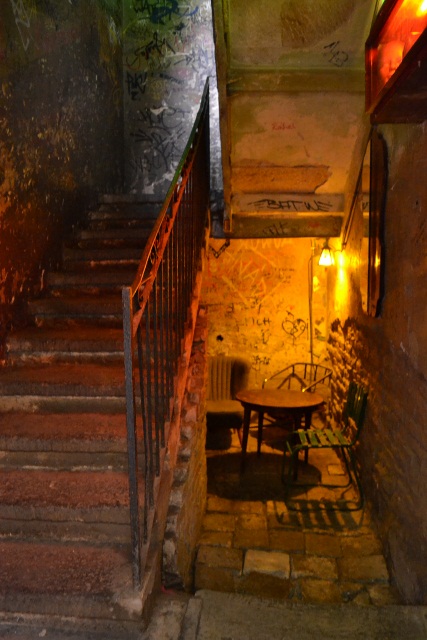
Hidden seating area at a Budapest ruin bar

If you want to read a detailed summary of ruin bars in Budapest, check out this post.

Budapest for some R&R

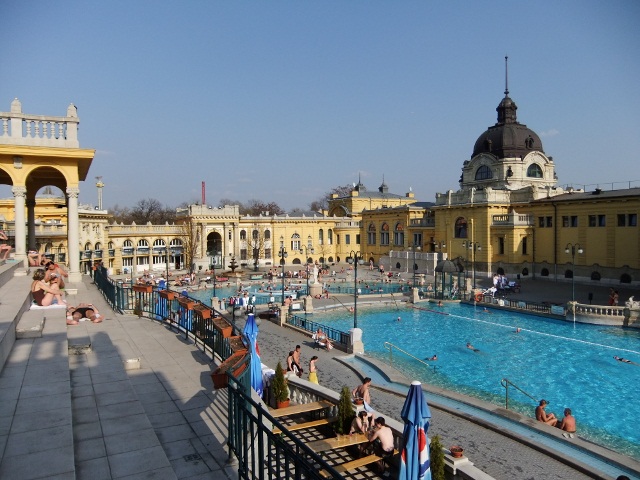
Likely brought into popularity when the Turks invaded Hungary, gyógyfürdő (thermal baths) are a traditional part of Hungarian life. These facilities usually include indoor and outdoor pools whose temperatures vary based on the minerals of which they are composed. Definitely set aside at least one full-day for relaxing in a fürdő during your visit to Budapest. We loved our visit to Széchenyi Fürdő, one of Europe’s largest thermal baths situated in the center of City Park. You can purchase tickets which provide access to various services, ranging from the use of the basic thermal baths for about 3,000 HUF to pool access with a private cabin, including massages and spa treatments for upwards of 9,000 HUF.

Outdoor thermal baths at Széchenyi Fürdő. These get up to 38 degrees Celsius – the biggest hot tub we’ve ever seen!

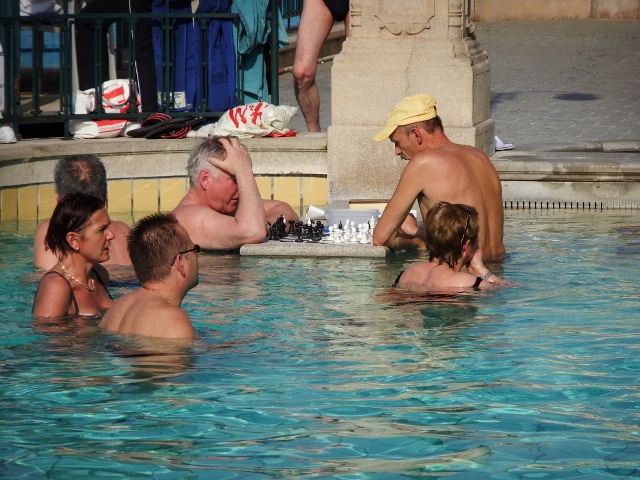
Locals playing chess in the thermal baths. They must be prune proof.

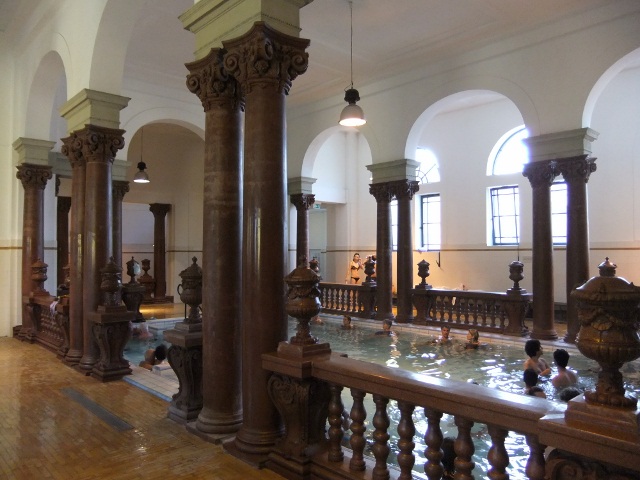
One of the indoor thermal baths at Széchenyi Fürdő

If public baths aren’t your style, no need to worry; head over to Margaret Island (Margitsziget). This island park sits right in the middle of the Danube River and can easily be reached by foot or by public transportation. The park is just over 5 kilometers around and has countless areas for picnicking and sunbathing. There are also tennis courts and trails for biking and running, if working out is your idea of relaxation. A small petting zoo, water park, ice cream stands and cafes make it a family friendly destination.

Budapest for the Arts Lover

If arts and theater are your thing, be sure to visit Budapest during the Budapesti Tavaszi Fesztivál (Spring Festival) which happens each year in March. We happened to be in town this week, and although we didn’t take advantage of its offerings, you can be guaranteed so see a wide variety of operas, shows, and live musical acts at venues across the city. During the rest of the year, the city houses several art museums, including the Hungarian National Gallery which includes a feature on famous artists from Budapest.

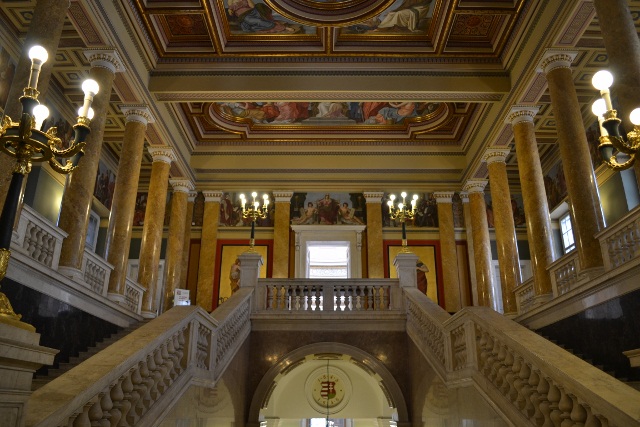
Frescoes at the Hungarian National Museum

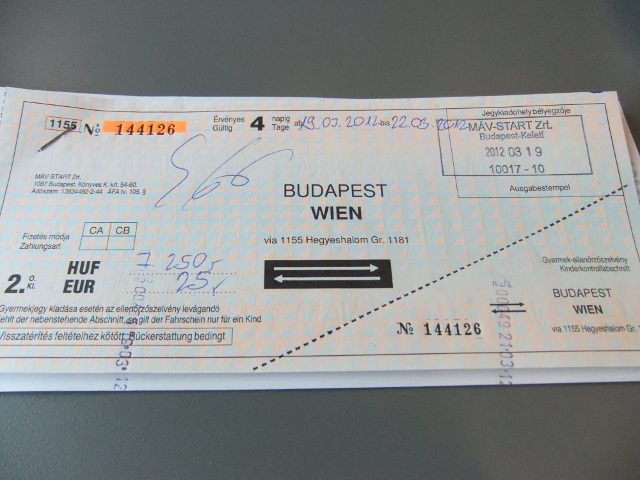
As for our personal experience in Budapest…fantastic! Even before we arrived things were going our way. The night before we left Vienna, we saw a sign at the reception desk of our hostel that said “free ticket to Budapest.” Although it seemed too good to be true, we asked for more details. As it turned out, a fellow traveler had purchased a round-trip ticket and wasn’t going to be using the return. So, rather than trying to sell it, they asked the hostel to try and find someone who could use it. Funny how things like that work out; we were actually planning on doing the exact same thing with our round-trip tickets from the Czech Republic.

Free train ticket to Vienna thanks to a kind stranger!

But anyway, back to Budapest, it has been one of our favorite destinations thus far. Despite the fact that neither of us speaks a word of Hungarian, we felt at home. Before arriving, we had heard some bad things about Budapest being a “sketchy” city with lots of people out to scam tourists; so we had our guard up a bit when we arrived. As it turns out, everyone we encountered was friendly, helpful, and honest. Add the delicious food, sights, and activities, and you have all the makings of a wonderful city. If you are planning a trip to Eastern Europe DO NOT miss Budapest.

Read Full Post »

Surprise! We’re in Vienna. Well, technically speaking we are in Hungary now, but we were in Vienna.  We had no intention of visiting Austria during our RTW trip, but had to in order to get to our desired destination, Budapest. It took four hours, a bus and two trains from Český Krumlov, but before we knew it, we had arrived.

Vienna was a lovely surprise. Granted, we did spend our only full-day of sightseeing slightly hung-over, but you have to make sacrifices sometimes, right? Life is short. Two Americans, one Korean-born Australian and one Argentine in Austria = a jolly good time. Jägerbomb anyone? We have no idea where Diego and Lisa are now, but we wish them safe travels.

So, what did we see on this glorious day in Vienna, you ask?

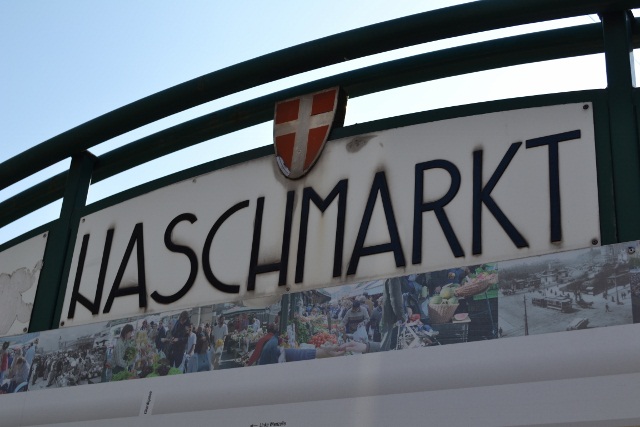
Naschmarkt

An incredible outdoor market that stretches on for blocks, with stall after stall of flowers, spices, pastries, sipping vinegars, produce, meat, seafood, and more. Most importantly, it provided a much needed hummus fix for Amy.

Naschmarkt entrance. You can read about the history of this market here.

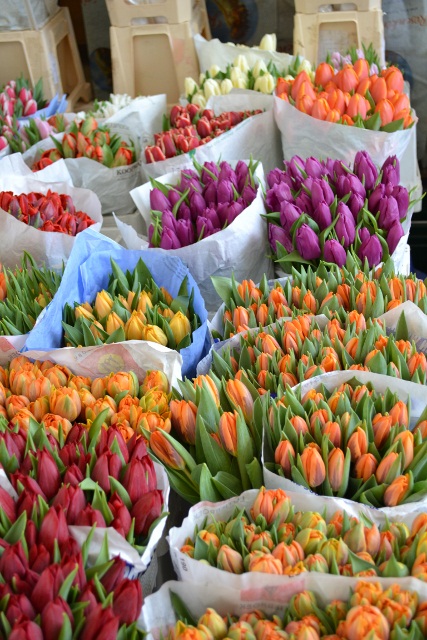
Colorful tulips. Christina, I was thinking about you when we walked by this stand.

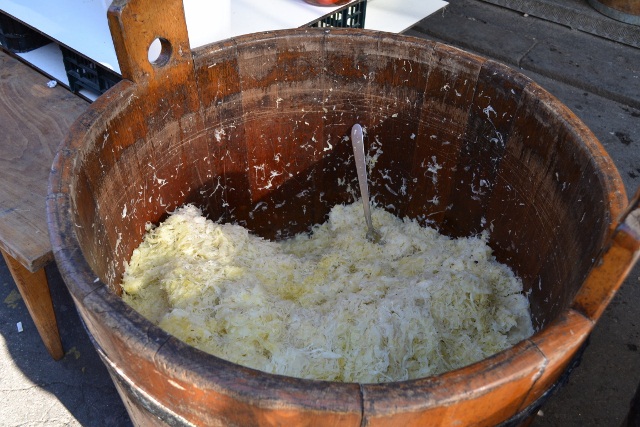
That’s a lot of kraut!

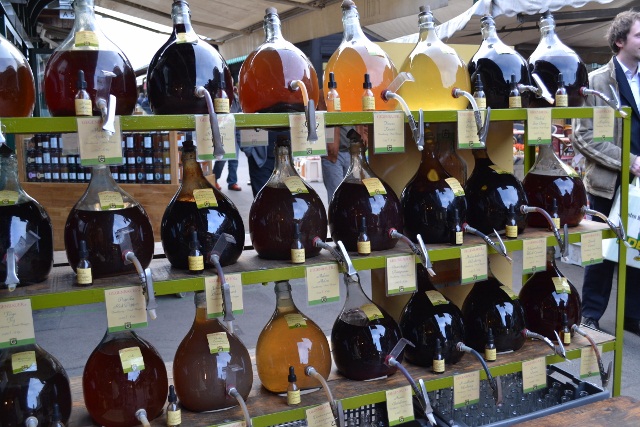
Rows upon rows of tasting vinegars

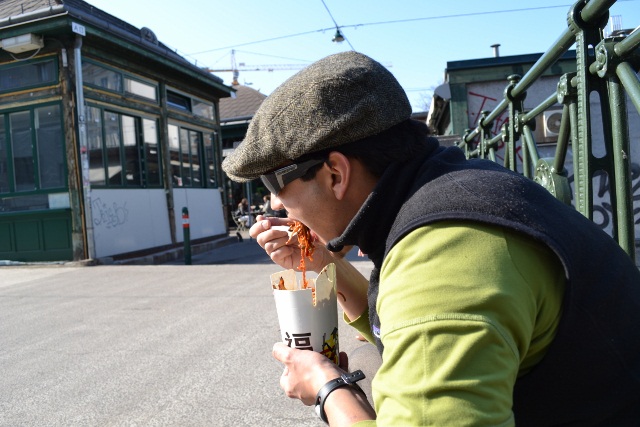
An interesting observation we made in Vienna is that Austrians are constantly eating on the go; there are countless food stands strewn across the city, and it seems as though every third person you see is eating on the move. Anyone giving Americans a bad rap this behavior should visit Vienna. Naturally, we had to give eating Vienna-style a try, so picked up some fantastic noodles-in-a-box from the Naschmarkt.

Yum.

Ringstraße

The heart of Vienna is encircled by roads that are collectively called Ringstraße (Ring road). We spent a few hours walking it and were astounded by how grandiose everything is; architecturally it is one of the most impressive European cities we’ve seen thus far. Pictures simply do not do it justice. It is quite an experience to literally be stopped in your tracks by the magnificence of a building, every single block, for five straight kilometers.

The Austrian Parliament Building situated on Ring road

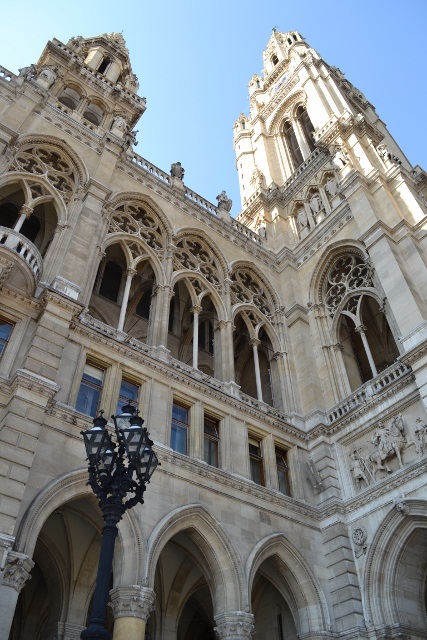
The Vienna City Hall, also located just off of Ring road

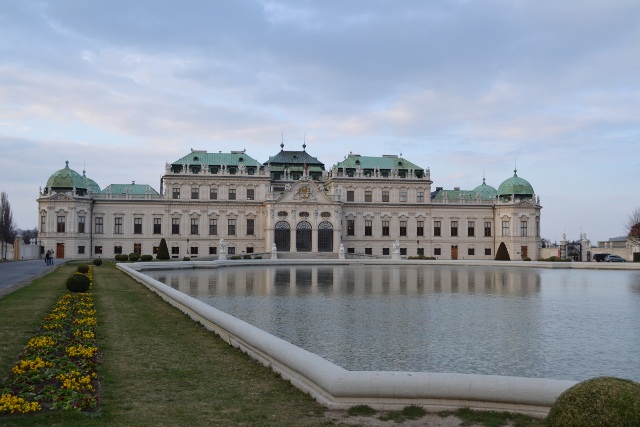
The stunning Upper Belvedere Palace, near Ring road

People Watching

Honestly, no place we visit is without this activity; however, people watching in Vienna seemed to be of particular interest. Every park had a sign posted that attempted to communicate “do not walk on the grass” with stick figures, but none of them seemed to get the point across. There were bodies littering the grass and soaking in the afternoon sun; ideal for people watching.

All in all, our less than 48 hours in Vienna were pure and simple fun. We didn’t feel obligated to do and see everything since our time was limited. Hell, we didn’t even have Viennese coffee. What we did manage to do was get a pleasant taste of the city that left us wanting more.

Read Full Post »

Ever heard of Pilsner beer? How about Budweiser? Unless you have been living under or rock, the answer is likely yes. Our journey into the heart of Czech beer country led us to the birthplace of Pilsner and the home of the original Budweiser beer. As beer lovers, it was a lot of fun to tour the Plzeňský Prazdroj brewery (a.k.a. Pilsner Urquell) in Plzeň and check out the Budweiser Budvar facility in the town of České Budějovice; that being said, our vote for best beer in the world remains with American craft brewers. Sorry Czech Republic, but the creativity and variety of beer in the States is simply amazing.

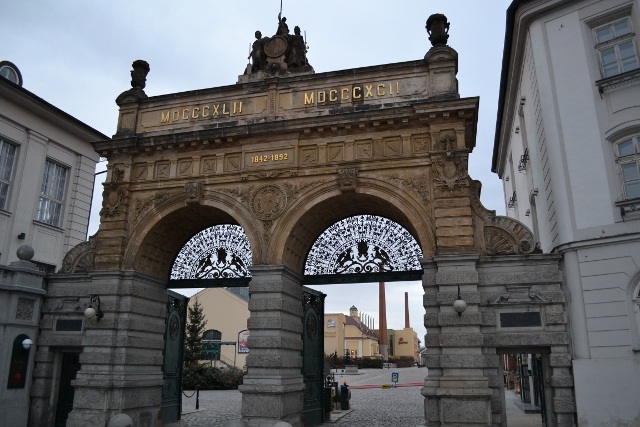
Gates leading into Pilsner Urquell

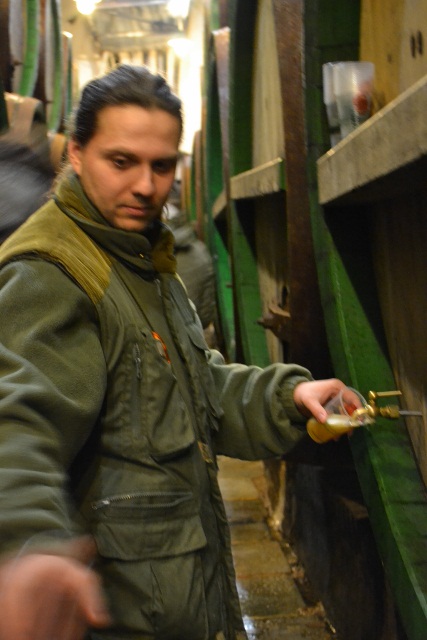
Tasting unpasteurized, unfiltered Pilsner Urquell straight out of the barrel. Only place you can get this stuff on earth.

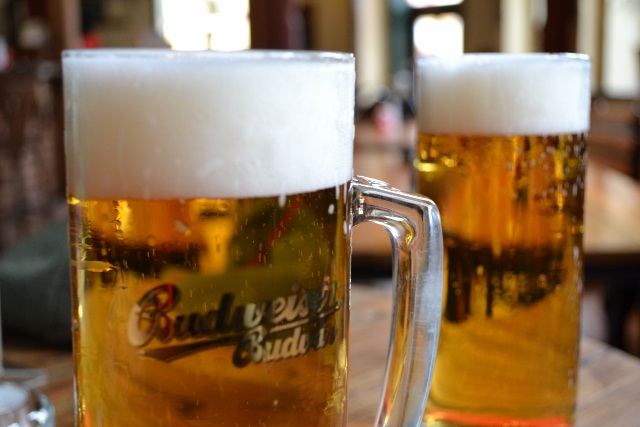
Nice and heady Budweiser Budvar. We prefer less foam, but when in Rome…

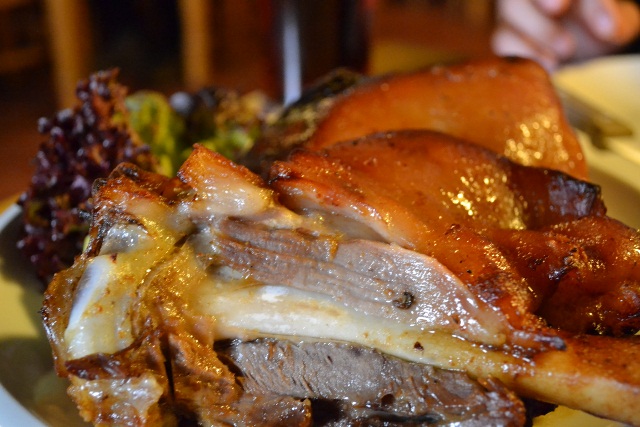
While the Czech Republic was not the beer mecca we had envisioned, our route was still filled with many other delights: among them, the pork knee and Czech hockey. A knee may not sound very appetizing, but don’t knock it till you’ve tried it. Mike became nearly obsessed with trying this traditional Czech dish after watching an episode of No Reservations; when he finally got his fill in Plzeň…well, you might just say he was in “hog heaven.”

Roasted pork knee (not pictured: Mike, drooling)

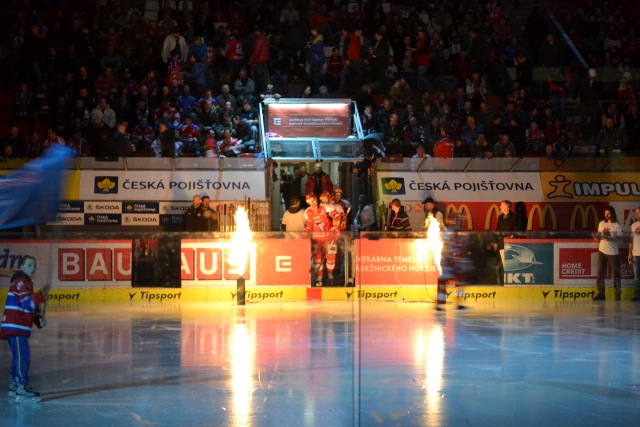
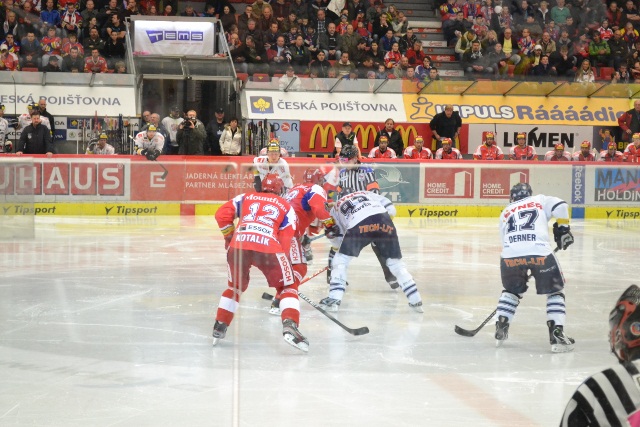
In most of Europe, and the world for that matter, football (soccer) is the king of sports. Not the case in the Czech Republic. Hockey reigns supreme. By pure chance, our visit to the country coincided with the playoffs of their pro hockey league; so, we decided to check out a game in České Budějovice. What a time. Football may not be the Czech sport of choice, but the fans are no less enthusiastic: drums, horns, flares, and all.

HC Mountfield vs. HC Liberec at Budvar Arena

Face off following one of the many fights that broke out on the ice that night

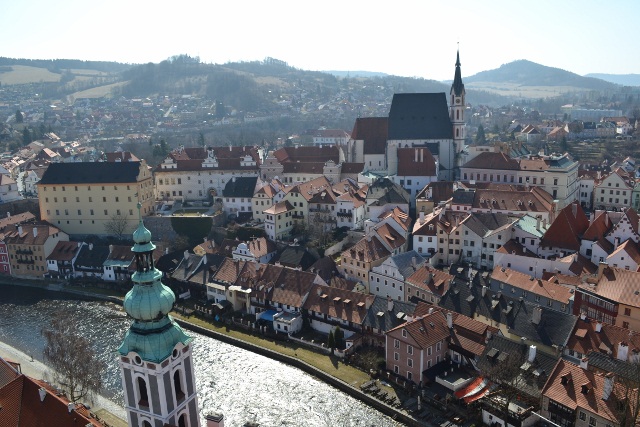
The Beer Route through Plzeň and České Budějovice was great, but the real gem of our trip to southern Bohemia had nothing to do with beer at all, it was a small town called Český Krumlov. For many it is just a day trip from České Budějovice, but we made a long weekend out of it. Learning from the many expats that we met during our visit, we took to calling it “The Krumlov,” and we must say that we think it is one of the most photogenic places in Europe.

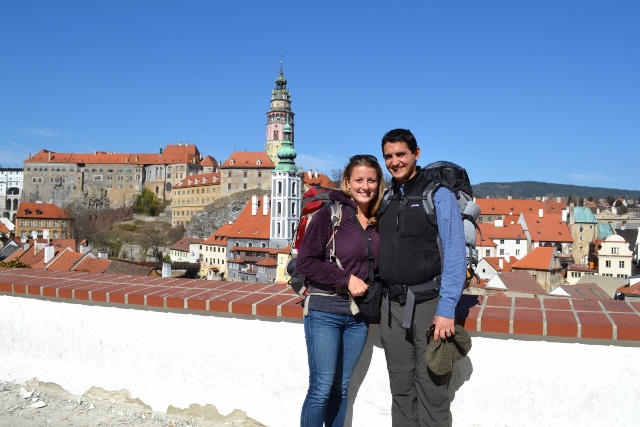
Český Krumlov from the castle tower

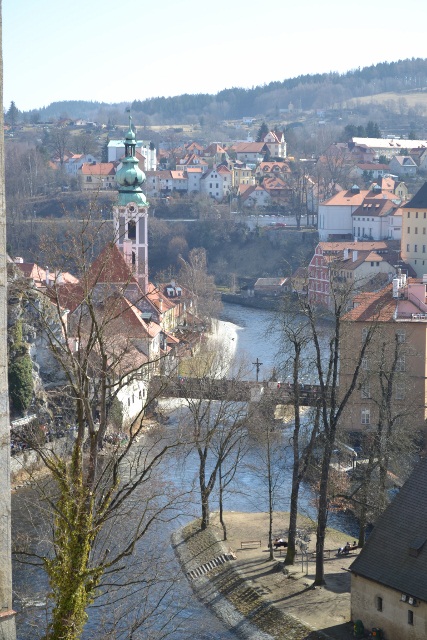
The Vltava River winding through Český Krumlov

In addition to its looks, The Krumlov captivates you with its charm and slow-paced way of life. Just as the Vltava River delicately bends and curves around the old town, locals and tourists alike seem to walk a step slower than in the rest of the Czech Republic. Stores close at 6pm during the week, before noon on Saturday, and are closed on Sundays. At dusk, your senses come alive as a haze fills the sky from wood fired stoves; you can smell the evening setting in as fires warm the quaint village homes.

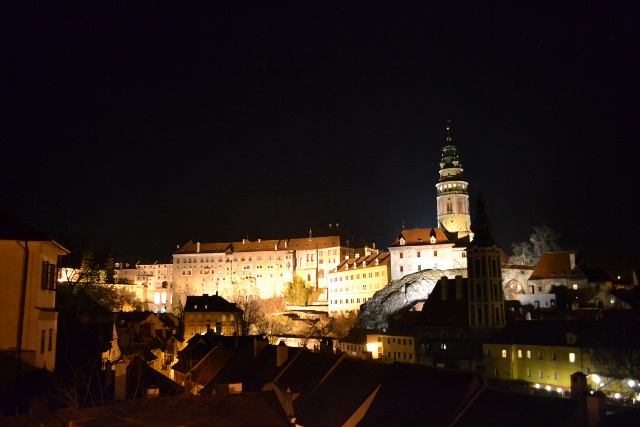
Český Krumlov Castle all lit up at night

During the day, the town seems torn between two worlds. Many streets are lined with gift shops and tour groups are common, but turn the right corner and it feels like you have traveled back in time to medieval Europe. The castle moat is still guarded in the same way it has been for centuries. Forget the armed guards, try live bears!

One last picture in The Krumlov

It seems that as we let go of planning and set itineraries, we stumble upon more hidden travel destinations. At first, traveling in this style had us both a bit on edge, but with each passing day, we are beginning to appreciate the true sense of freedom that it brings.

Read Full Post »

You must be wondering, what is hjem? Maybe a typo? An obscure town in Russia? It actually is the Danish word for home. We flew into Copenhagen on the 28th of February to spend a week with the host family that Amy lived with while studying abroad in Denmark in 2006. Returning to Denmark felt like a homecoming, thus the name of this post.

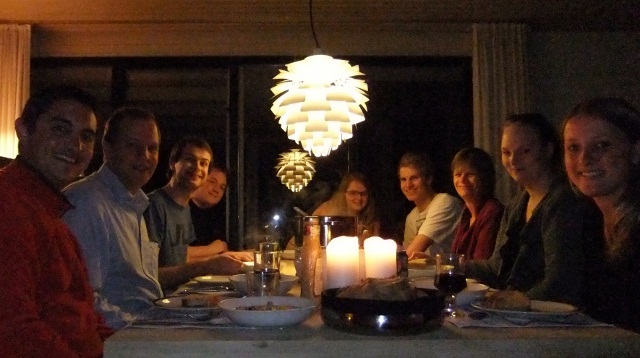
Family dinner in Osted

It was such a treat to spend time with Lene, Nils, Mathilde, Daniel, Martin, Sabrina and Mikkel! We enjoyed delicious meals each night with great conversations and lots of hygge. Hygge is a Danish word that is difficult to translate into English because it describes a feeling and atmosphere, not a place or thing. Cozy is the closest synonym, however does not do it justice. When relaxing in a Danish home, surrounded by candlelight, enjoying good company and often food and drinks as well, you get hygge.

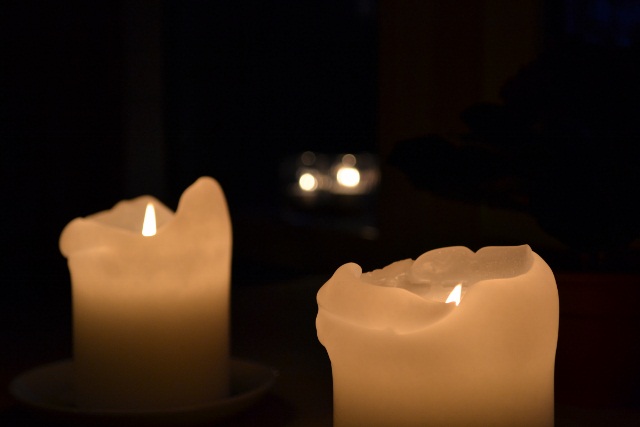
Creating hygge at the summerhouse

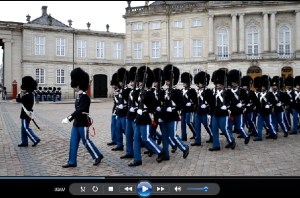
Having spent five months living in Denmark, Amy had already seen many of the must sees, but one that had not yet been checked off the list was the Changing of the Guard at Amalienborg Palace in København (Copenhagen). We had not intended on going to see this event, but as we were driving through the city one day, Amy’s host brother, Martin, noticed the time and suggested that we stop to check it out. It was a lot of fun to watch especially since we were able to get the inside scoop from Martin, who served in the Danish Royal Guard himself. Click here to watch a video of all the action.

Changing of the Guard at Amalienborg Palace

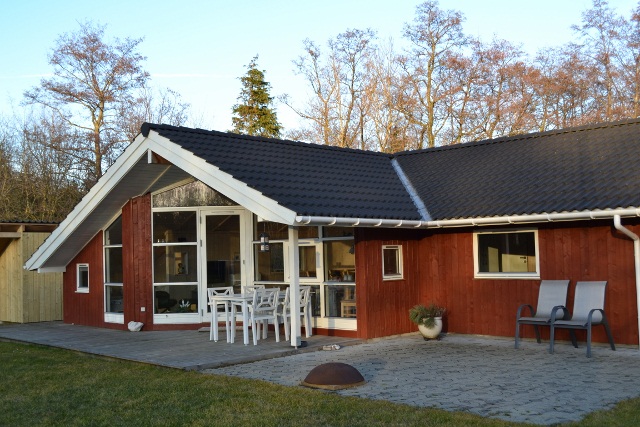
Over the weekend, Lene & Nils, Amy’s host parents, drove us to their summerhouse in northwest Sjælland. It was fun to see the completed house as it was under construction when Amy was living in Denmark.

The summerhouse!

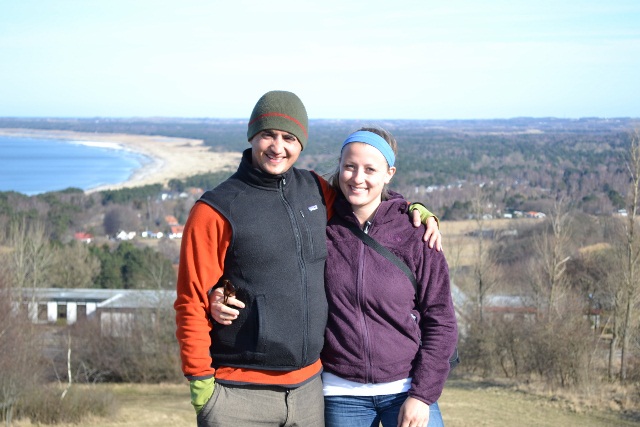
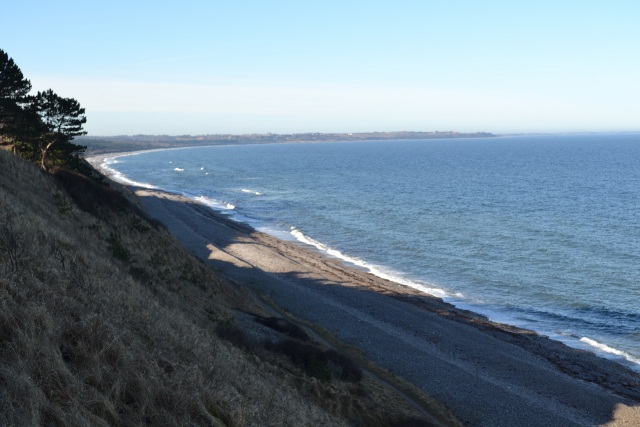
We spent our days Sjӕllands Odde exploring the scenic drives, beaches, viewpoints, and historic sites of the area, which we definitely recommend as a side trip if you plan on visiting København.

Atop a hill near Asnæs, Denmark – looking out onto Sjællands Odde

View of the beach and sea near the summerhouse

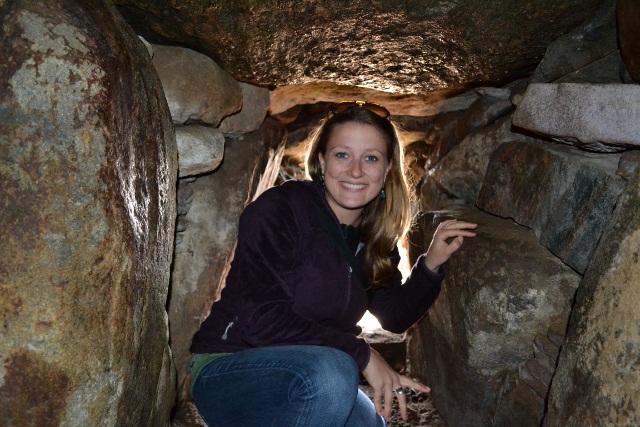
We learned about some very peculiar ancient burial mounds spread out all over the landscape. They date back to the Stone Age, and we visited a well preserved site built circa 3500 B.C. At over 5,000 years old that definitely makes it the oldest building either of us has ever entered.

Amy inside of one of the large burial mounds

In the evenings we retreated back to the summerhouse for some delicious home-cooked meals and hygge time with the neighbors, Leif and Annika.

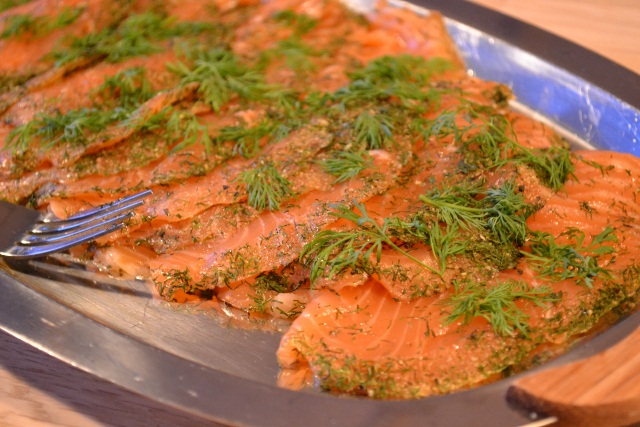
Starter of fresh salmon season with dill. Yum!

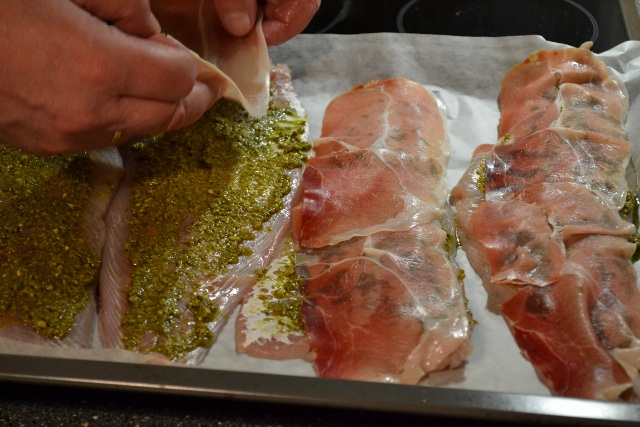
Fish filets spread with pesto and topped with prosciutto

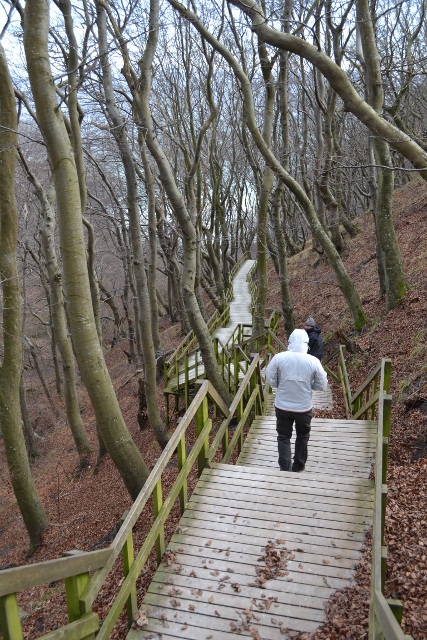
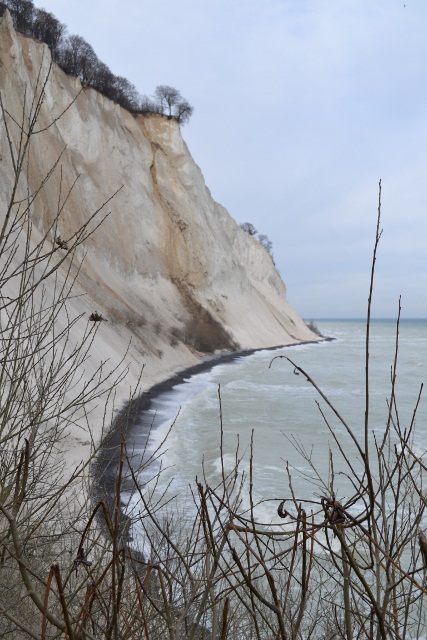
After returning from the summerhouse, we took a day trip to see Møns Klint and visit Lene’s mom on the island of Lolland. Møns Klint is a series of steep, sharp cliffs on the east coast of the Danish island called Møn, another place you should see if visiting Denmark. Descending nearly 500 stairs from the top to the beach below provides a stunning view of these chalk-white cliffs.

Stairs leading down to the beach of Møns Klint. Easier going down than back up again.

Chalk cliffs dropping into the sea

After driving from Møn to Lolland, we ended the day at the farm where Lene grew up. All week we had heard stories about “whiskey time,” so were much anticipating arriving to the farm so that we could experience it firsthand. Lene’s parents created this tradition of serving whiskey each day at 4pm to any friend, family member or neighbor who made it to their home in time. We really enjoyed whiskey time and think it is a fantastic tradition to bring people together for the simple purpose of savoring life after a day’s work.

It was more difficult to leave Denmark than the previous countries we have visited because we weren’t only leaving a country we love, but people we love. However, we will certainly be coming back to Denmark time and time again in the future, so instead of saying goodbye, we just said vi ses, which translates to “see you later” in Danish.

Read Full Post »

Our first 24 hours in Marrakech consisted of: a no show airport shuttle driver which then led to being ripped off by our taxi driver and subsequently the boy who carried our bags while leading us to our riad. Walking through a maze of overcrowded alleys with motor bikes weaving in between pedestrians, with fly-ridden stacks of stinking old sardines for sale on the side of the road. Having our reservation lost by our riad, and then being given a room that had a log of feces floating in the toilet. And last but not least, having our hands hennaed by force in the main square by gypsies. Welcome to Morocco.

In all seriousness, after the culture shock of the first 24 hours wore off, Marrakech became one of our favorite destinations on our trip thus far.

Despite the unappetizing way that meat, fish and produce are sold by street vendors (not refrigerated with dirt being kicked up onto it from the street), Moroccan food is incredibly delicious. Couscous, tagines, lamb, Moroccan soup, root vegetables, figs, honey, and crepes, just to name a few. We quickly became unabashed at being “those” tourist who take pictures of their food. Documenting our meals with photos somehow makes the taste linger longer.

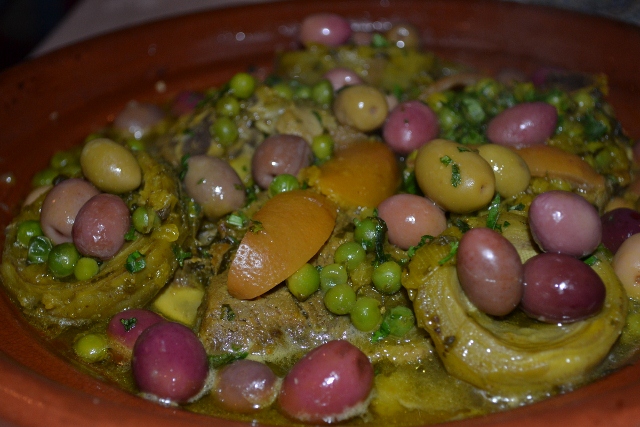
Tagine with lamb, artichoke hearts, olives and preserved lemon rinds

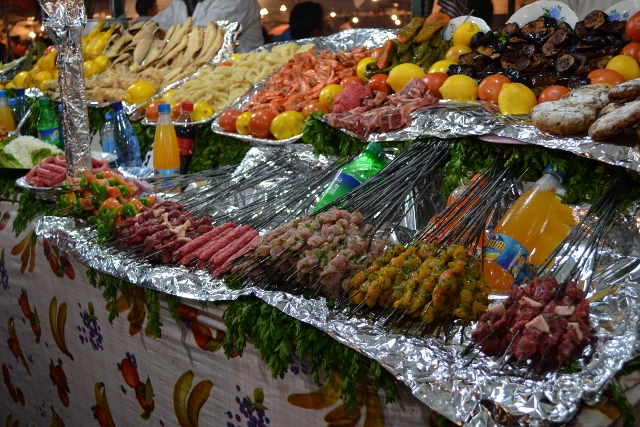
Meat skewers ready to grill at a food stand in Djemaa el Fna Square

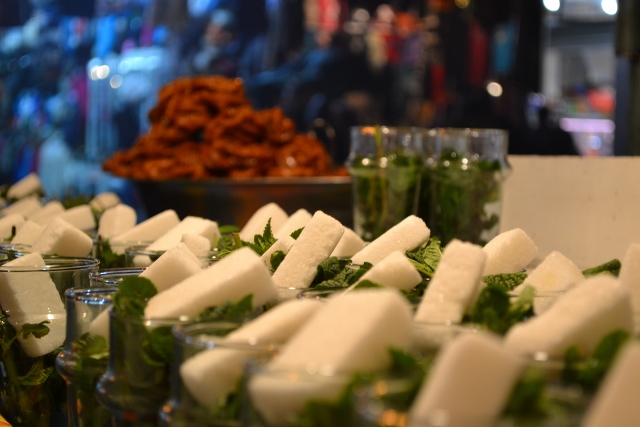
And the mint tea. Oh. My. God. We must have averaged three or four pots per day. As a Muslim country, alcohol is taboo and not widely available (with the exceptions of being available to non-Muslim tourists in select hotels and restaurants). We found that mint tea is consumed in its place, and as ubiquitously as Coors Original at a Rockies game.

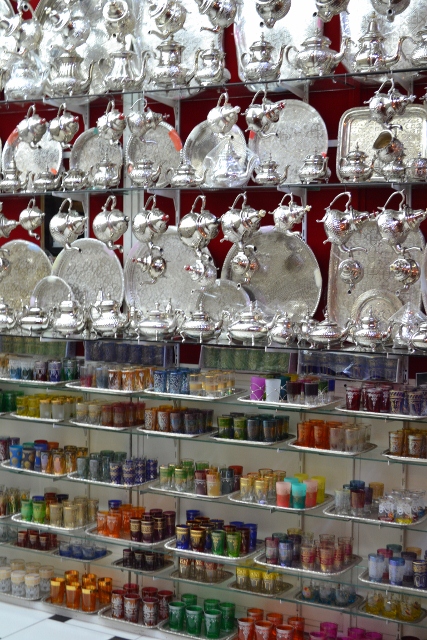
Mint tea glasses lined up at Djemaa el Fna Square

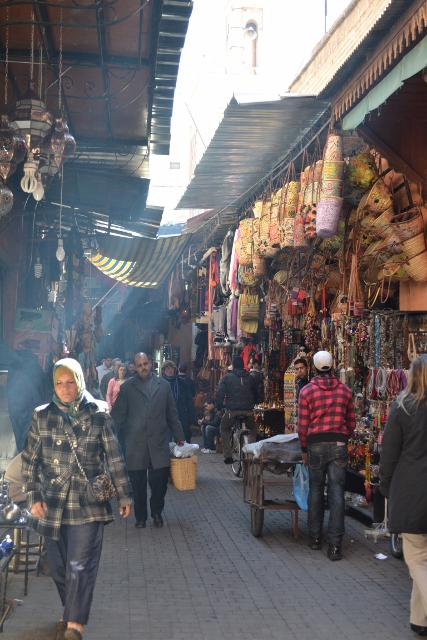
Anyone writing about Marrakech will tell you that you must visit the “souk” which is a vast network of shops and walkways. Within this labyrinth of merchants, you can find nearly anything from Nike running shoes to a live goat. Should you chose to venture to Marrakech one day, we suggest you remember these tips to help you survive the onslaught of vendors who, despite their friendly smiles, show very little mercy to unsuspecting tourists.

Tip #1: For your first visit to the souk, don’t bring your money. This will allow you to browse for items you might like to purchase, but prevent you from being persuaded to buy something you have no use or desire for. You can’t buy if you don’t have money.

Tip #2: Learn these phrases “non, merci” and “la la, shakrun.” They mean “no, thank you” in French and Arabic, respectively. They won’t be enough to stop the vendors in their tracks, but just smile and keep walking.

Tip #3: Before returning to the souk for some haggling, ask a local Moroccan working at your hotel or riad how much they would pay for each of the items you want to purchase. Keep those numbers in mind, and don’t pay more.

Tip #4: You can always walk away. Vendors in the souk are good at what they do and have a whole arsenal of methods for convincing you to pay more for a product than you should. They will likely act offended, angry, or outraged at the prices you propose. If you are feeling too much pressure or are unhappy with the negotiation, smile, say thank you, and walk away. They may try to stop you, or they may let you go. Either way, no harm, no foul. It’s actually a lot of fun.

Tip #5: Whenever possible, do your haggling in a language other than English. French is good because it is an official language of Morocco. Spanish is even better because most of the vendors understand and speak a few words, but are less comfortable with the language (anything you can do to gain an edge and make the vendor feel less confident is a plus). Americans pay double prices or worse, so if you must speak English be from “Vancouver” for a day.

Winding alleys through the souk

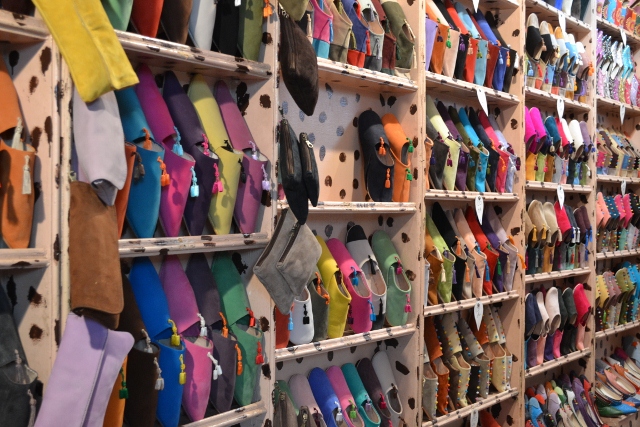
Colorful shoes for sale in the souk

Tea sets for sale in the souk. Mike successfully haggled for one of our own!

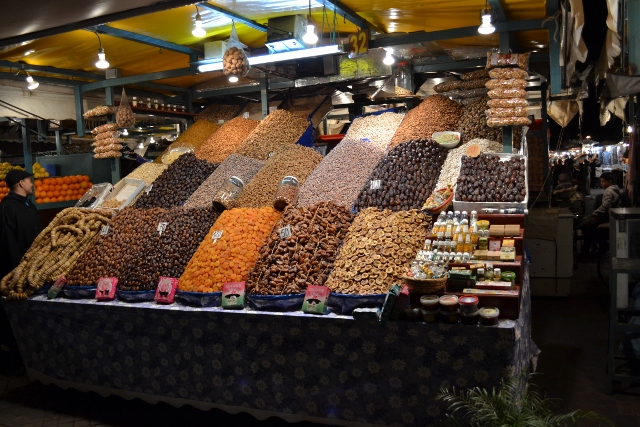
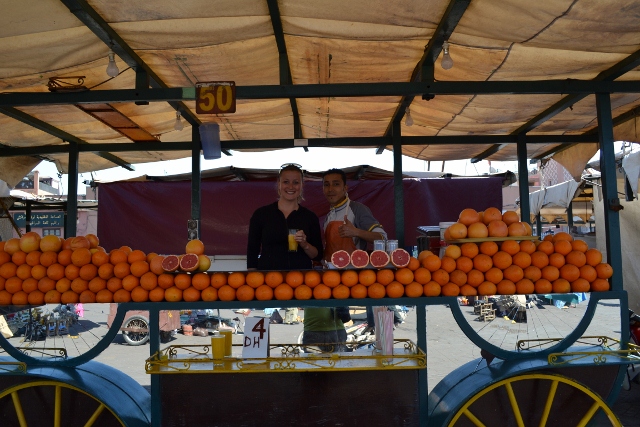
Adjacent to the souk is Djemaa el Fna Square. This is where much of the action in the city takes place.  It is visited each day by thousands of tourists and locals alike. The square takes on two different personalities, which are literally day and night. During the sunlight hours, Djemaa el Fna is lined by countless fresh juice and dried fruit vendors. The juice is a real steal at four Dirhams (about 50 cents) per glass!

Piles of dried fruit and nuts for sale at Djemaa el Fna Square

Amy with a juice vendor at Djemaa el Fna Square. A daily trip for us while in Marrakech.

Each afternoon the square begins to transform into its nighttime form. More than 100 food tents are set up each evening for outdoor dining and groups of musicians and snake charmers create a very mystical environment. We made a video of the square coming alive one afternoon before dusk, which you may watch here. If you visit, be sure to watch out for the women offering henna tattoos; day or night, they will grab your hands and start tattooing before you get a grip of what’s happening.

Click on this picture to watch a video of Djemaa el Fna Square coming alive just before dusk

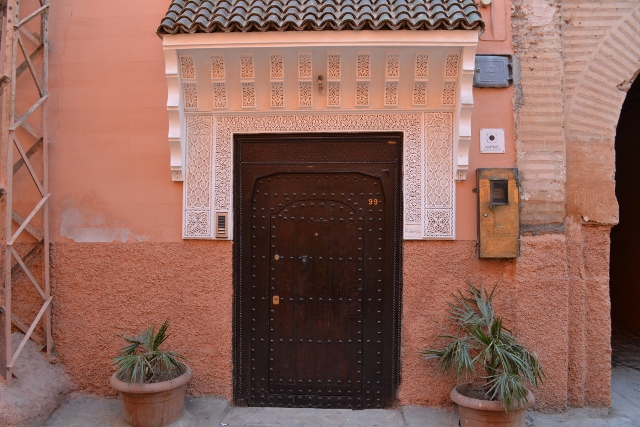
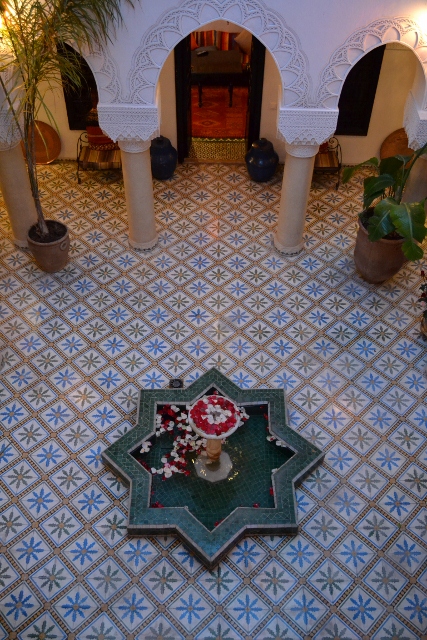
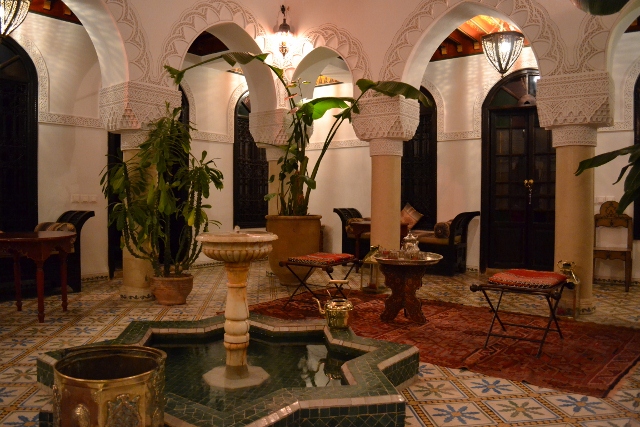
A riad is a traditional Moroccan house designed with a courtyard and fountain in the middle. Although there are hundreds of riads in Marrakech alone, you may be hard-pressed to find one as their doors are plain and unsuspecting, but always open up into a beautiful and peaceful building. After a few hours of haggling at the souk and an evening in Djemaa el Fna Square, escaping back to the tranquility of a riad is the perfect end to a day in Marrakech.

The entrance to our riad – you would never suspect the tranquil place that lies behind this door

View from our room of the fountain in the riad’s open air courtyard

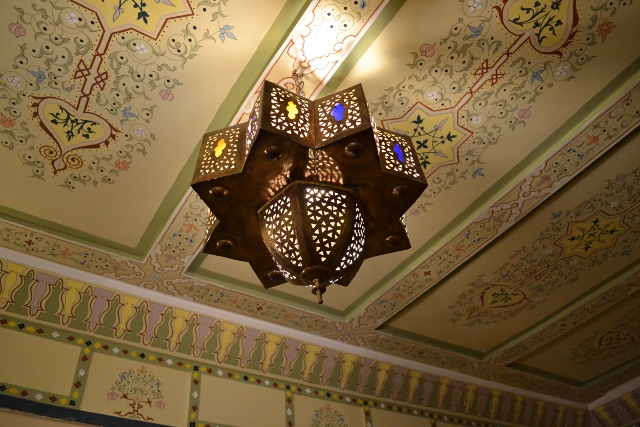
Intricately painted ceilings and carved metal light fixture in our room

Courtyard and fountain in the riad

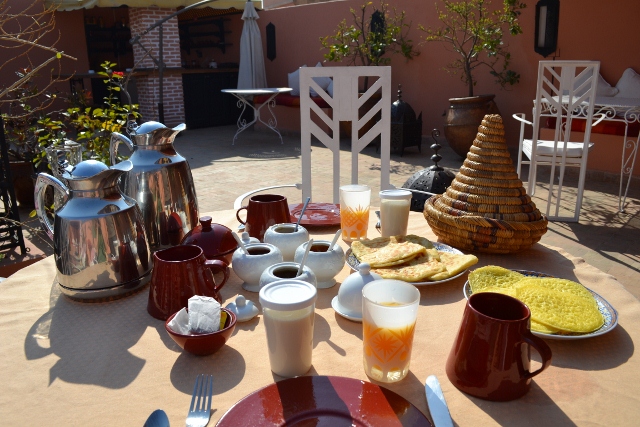
Despite the initial issues we had at our riad, everything was smoothed over and it turned out to be a fantastic place to stay. Breakfast each morning consisted of homemade crepes and harcha with a variety of preserves, fresh squeezed orange juice and coffee.

Traditional Moroccan breakfast, served each morning at the riad

Sitting in the courtyard or on the rooftop terrace always lowered our blood pressure after being out on the town. It was here that we first experienced the “adhān” which is the Islamic call to prayer. While we were familiar with this religious custom, Morocco was the first Islamic country that either of us had visited. Hearing the adhān five times each day was a part of the trip that we will certainly never forget. We made a video of the call, which you can watch here. It often begins as nothing more than a low distant hum, but soon becomes a 360 degree barrage of sound. For the most part, business continues as usual in the city, and everyone does not drop what they are doing and run to the mosque, but the call to prayer definitely creates a special feeling in the air.

Click on this picture to watch a video of and listen to the Adhān (call to prayer) in Marrakech

Marrakech was a crazy place, no doubt about it. It caught us off guard and left us feeling a little rattled. It was the first time we felt truly out of our comfort zone and in an entirely different world. But that is what traveling is all about.

Read Full Post »

« Newer Posts - Older Posts »