Feeds:
Posts
Comments

Archive for the ‘Travel’ Category

Hello father time, can you please slow down a bit? Why are you always flying by so quickly? The other day while sipping a beverage at a stall on the streets of Saigon, we realized that we were just a few days away from our 6 month anniversary of traveling around the world. The past half-year has gone by so fast, yet thinking back on it, we have done and seen so much! To celebrate our 6 month mark, we decided to document some of the highlights of our trip with a list from A to Z. It took a while to cover the whole alphabet, so if you aren’t in the mood for 15 minutes of reading, pick your favorite letter(s) and go from there.

Alhambra. A spectacular display of Moorish architecture and symbol of history. It was our favorite palace in Spain, favorite in Europe, and we dare say, our favorite palace during our entire trip thus far. (Read our post on the Alhambra here)

Being together 24/7. We get a lot of comments and questions about this. “So you really still like each other?” “Do you run out of things to talk about?” People tend to assume that if you spend enough time with someone that you’ll eventually end up disliking them. We disagree. We went from working opposite schedules and not seeing each other but a few hours per week, to spending all day, every day together doing what we love most, traveling. What’s not to like?

Cappadocia. Since one of our favorite pastimes is hiking, it is not surprising that Cappadocia found a place close to our hearts. The stunning rock formations, canyons and cave dwellings make it one of the most spectacular places that we have ever hiked. Not to mention, we stayed in a cave hotel!  (Read our post on Cappadocia here)

Dalmatian Coast of Croatia. This region of southern Croatia may very well be Europe’s most under-appreciated destination. Breathtaking best describes the rocky coastline that gives way to crystal clear waters and secluded islands. Despite our encounter with the world’s worst hotel, saying goodbye to Croatia was tough to do. (Read our posts about the Dalamatian Coast here)

Eating. If you’re a dedicated reader of our blog, you know that we love food. There are too many to mention, but here are some of our favorite eats from the past 6 months: tostada de tomate, Jamón ibérico, tagines, Wednesday snails, frikadelle, pork knuckle, ćevapi, burek, çiğ köfte, baozi, Guilin rice noodles, poor man’s Peking duck, Korean BBQ, kimchi dumplings, sushi, bánh xèo and phở.

Fútbol en Barcelona. One of the very first things we did on our RTW trip, and still one of our fondest memories, was watching a FC Barcelona vs. Real Madrid match. We watched the game on a giant screen with hundreds of Spaniards, and we were electrified by their energy and passion. BARCA, BARCA, BAAAARCA!

Great Wall of China. No RTW trip would be complete without visiting this world wonder. The Great Wall is possibly the most iconic tourist attraction out there and lived up to its reputation. Reliving our four hour hike along the wall will keep our travel bug alive for decades to come. The excursion also provided us with one of the most hilarious photos of our trip, but sorry that one is for the private archives only. (See our photos from the Great Wall here)

Hockey playoffs in the Czech Republic. If you happen to be in the CZ during hockey season, you must attend a game at all costs, even if you have a fever of 103 degrees. Mike was terribly sick with the flu in České Budějovice, but we ventured to a playoff match-up nonetheless. And it was awesome.

Istanbul. Straddling two continents, Istanbul will forever be one of our favorite cities. Visiting mosques and learning more about Islamic art and culture has been an incredibly enriching part of our expedition, and Istanbul serves as an outstanding example of a city that is proud of its roots and culture, but also embraces the modern, globalized world.   (Read our posts about Istanbul here)

Jade. We’ve seen a ton of jade artwork while traveling through Asia, but in this case we are talking about the Norwegian Jade cruise ship. The nine days we spent at sea sailing to the Madeira Islands and Canary Islands gave us the opportunity see the homeland of Mike’s ancestors and to soak up our last bit of luxury before months of budget travel. (Read our post on our cruise here)

Krumlov. Český Krumlov to be exact. This medieval town transported us back in time. The three days we spent lounging along the river and walking through the cobblestone streets was our favorite time in the Czech Republic.

Language. It is a constant struggle and reward to stay on top of the native tongues of the places we visit. We make it a goal to learn how to say, at the very least, “hello,” “thank you” and “goodbye” in every language. We’ve encountered 17 foreign languages so far, not counting the variances in dialects. It is both a blessing and a curse that English is our mother tongue; we never take it for granted and often think how much more difficult travel would be without our fluent English.

Madrid Barajas Airport. Somehow we have flown through/stopped over at this airport more than any other airport in the world. We even had one crazy overnight adventure here en route to Morocco: each other, our sleeping bags and vino tinto were all that we needed.

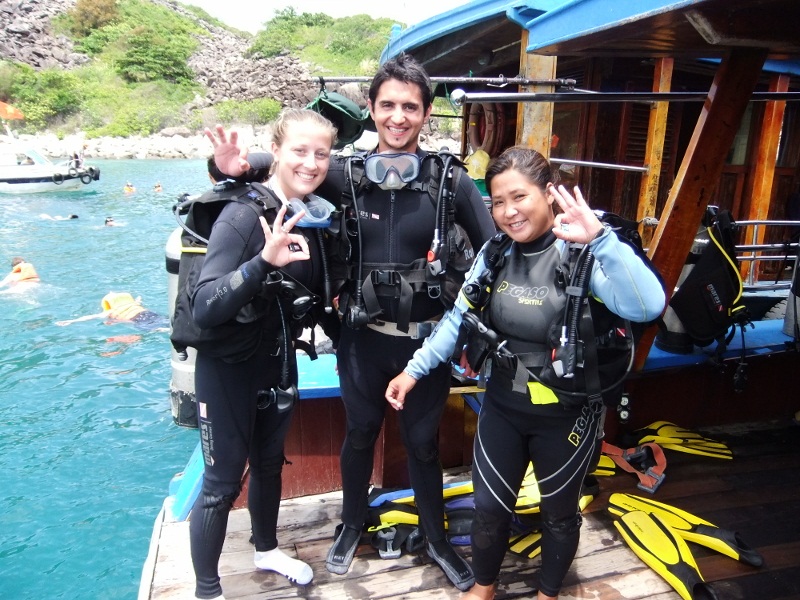
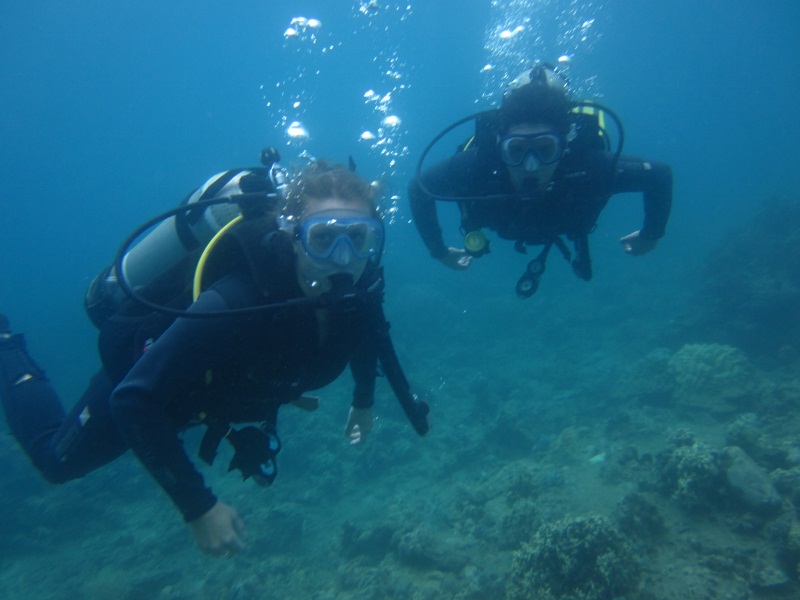
Nha Trang SCUBA Diving. Our SCUBA diving certification course was awesome. Enough said. (Read our post on Nha Trang here)

OMG, we just got henna tattooed by force! In a matter of minutes, we both had been taken hostage in Marrakech’s Djemaa el Fna square, resulting in very poorly done henna tattoos on both of our hands. We tried to refuse this service many times, but the joke was on the tattoo artist because she only got a single Euro for them, rather than the 30 Euros she was demanding.

People. Interactions and conversations with people are one of the most difficult things to convey in our blog posts. It’s crazy how randomly and quickly someone can enter and exit your life, while still leaving a lasting impression. In an attempt to give thanks to all of these wonderful people, we have created a Shout Outs page on our blog. (Check out our Shout Outs here)

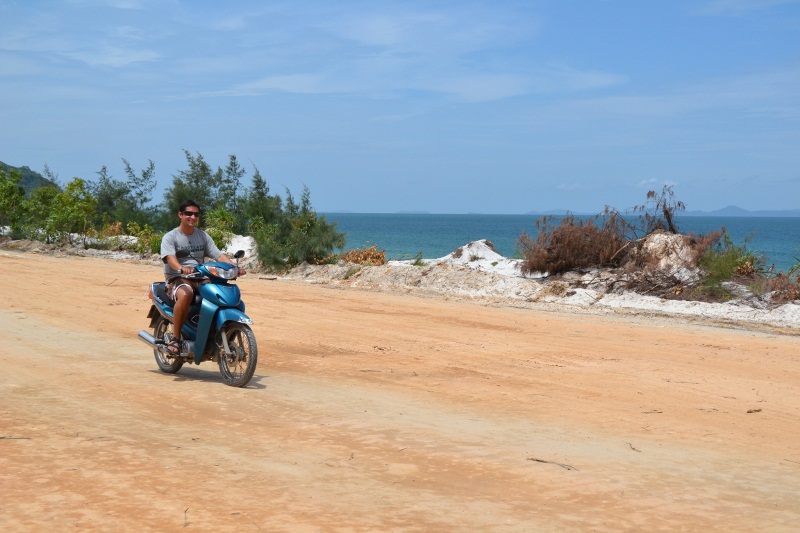
Quan Lan Island. The most remote and relaxing place we visited during our month stay in Vietnam. We had no idea what we were after when we arrived, and ended up learning how to drive a motorbike, seeing the largest spiders of our life, and meeting some great friends on the beach. (Read our post on Quan Lan Island here)

Rice Terraces. Trekking through the Dragon’s Backbone Rice Terraces in China was surreal. The misty fog flowed in and out of the hills, we were staying in a rustic lodge with no electricity, and the trails we hiked wove along the contours of the rice paddies.  (Read our post on the rice terraces here)

Sevilla. We felt at home in Sevilla the minute we arrived and were sad to leave. It was the first city to make our “we could live here” list and still tops that list. (Read our post on Sevilla here)

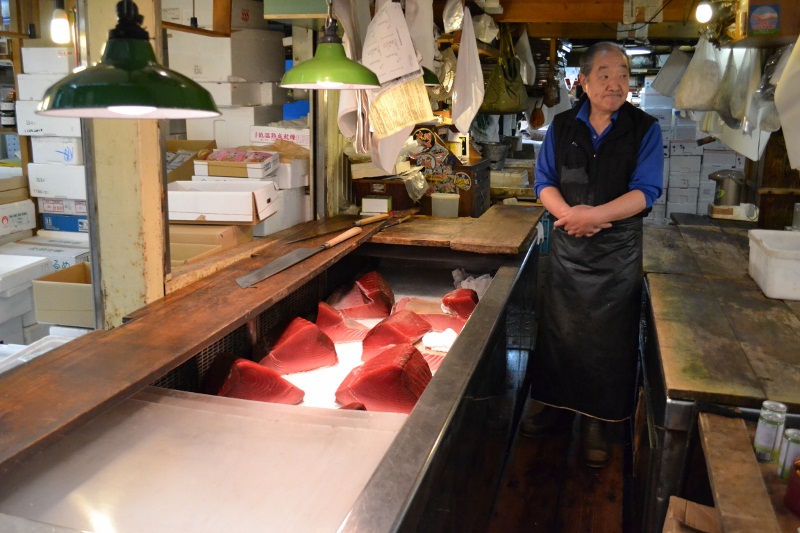
Tsukiji Fish Market in Tokyo. We will never look at a piece of sushi the same. Glad we made the 5am wake-up call to visit this place. (Read our post about Tsukiji Fish Market here)

Unpredictable weather. Just like the US Postal Service, rain or shine, snow or sleet, the Chamborres Expedition continues! We have sustained typhoons, dust storms, monsoons, extreme heat and humidity, and the bitter cold. Who knows what’s next?

Vienna. We never intended to visit this marvelous city, mostly because it seemed too expensive. While we kept our visit very brief, we are glad Vienna made its way into our itinerary. We have never seen such a well-kept city nor a better public transit system. (Read our post about Vienna here)

Wine Tasting in Porto & Eger. While very different experiences, wine tasting in these two regions was equally enjoyable. The portwine cellars of Vila Nova de Gaia in Porto, Portugal were very ritzy and commercialized, but they offered sublimely delicious port. Eger, Hungary on the other hand was well off the beaten path; 50 cent glasses of Bull’s Blood Cuvée and plastic jugs of house blends make visiting wine country possible for even the most budget traveler. (Read our post on Porto here and our post on Eger here)

Xi’an. Home of the Terracotta Warriors. We didn’t actually end up visiting Xi’an, but that’s the whole point of this section. It was part of our original China travel plan, but got “X”ed off the list. This change in itinerary reminds us that we can’t see and do everything, and reducing the number of stops can be a blessing in disguise.

Yangshuo. Cruising the Li River from Guilin to Yangshuo was one of the highlights of our time in China. The karst mountains that create the landscape of this region are beyond picturesque, they are something out of a fantasy novel. (Read our post on Yangshuo here)

Zipping around on all types of transport. Traveling the world boils down to figuring out how to get from A to Z. At this point, we consider ourselves transportation experts. We have yet to encounter a public transit system we can’t handle. We enjoy mixing up our means of transportation; we haven’t ridden on elephants (yet), but our adventures on subways, bullet trains, motorbikes, regular bikes, ships, boats, buses, taxis, planes and the like give us memories that rival our destinations themselves.
Read Full Post »

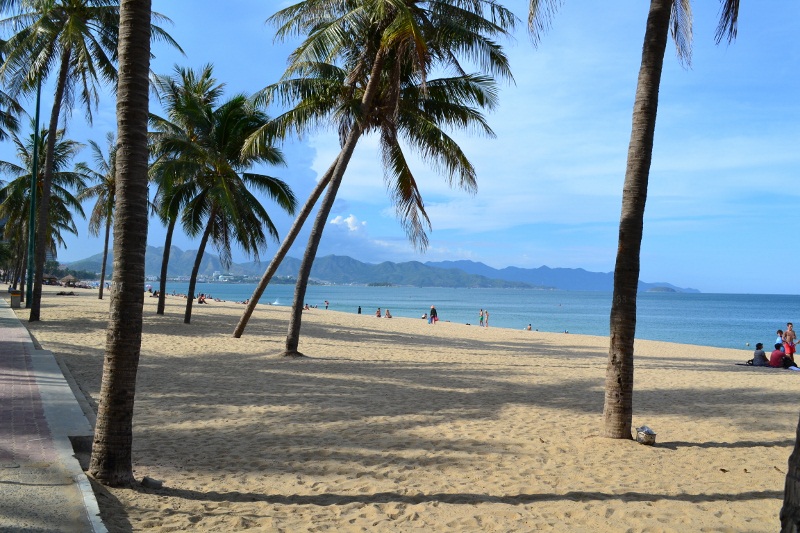
When most people think of world class SCUBA diving, places like the Caribbean, Indonesia, the Maldives or Australia come to mind. Vietnam doesn’t make many top 10 or even top 100 lists; however, we heard that Nha Trang offers the best diving in the country, so we set our course for this coastal city in central Vietnam.

Nha Trang Beach

When we arrived in Nha Trang, we set up our home base in a small hotel just a block from the beach with dive shops all around. Becoming certified SCUBA divers was one of our many goals for this trip, as we both love outdoor sports and the ocean.  After some searching, we found a shop we liked and decided to take the plunge. We signed up for a three-day, six-dive, SSI Open Water Diver certification course. It was one of the most enjoyable and rewarding activities of our RTW trip thus far!

Heading out for our first day of diving

Most of the diving in the area takes place in the Mun Island Marine Park, which consists of more than a dozen different dive sites.  The water in this area ranges quite a bit in depth making it an ideal place for new divers to learn underwater skills and become comfortable exploring the reef.  Much of our first day was spent in shallower water (5-10 meters), where we learned the fundamentals before heading out on some “discovery dives” with our instructor, Kim.

Just need some fins and we’re ready to dive

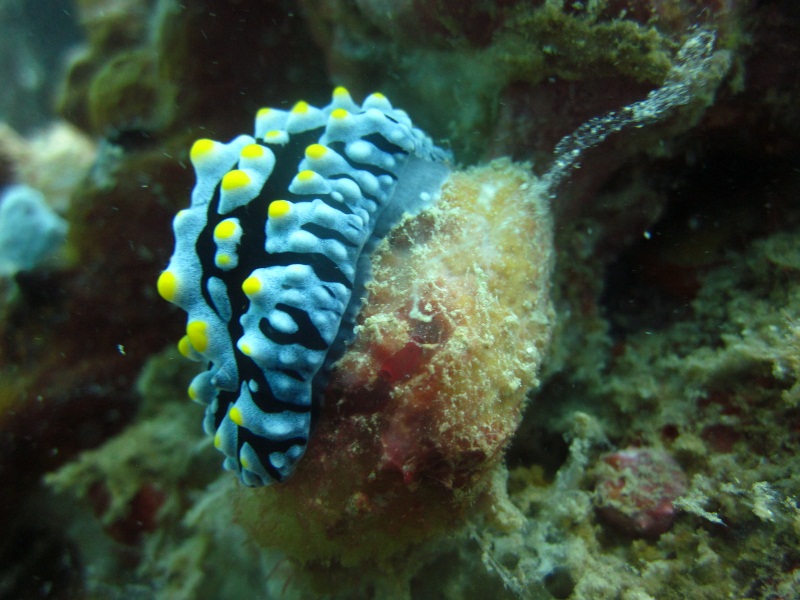
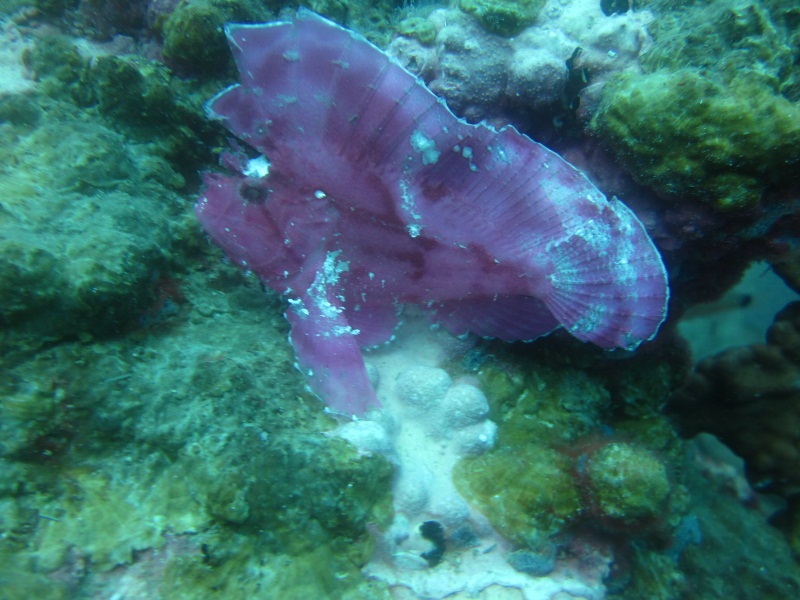
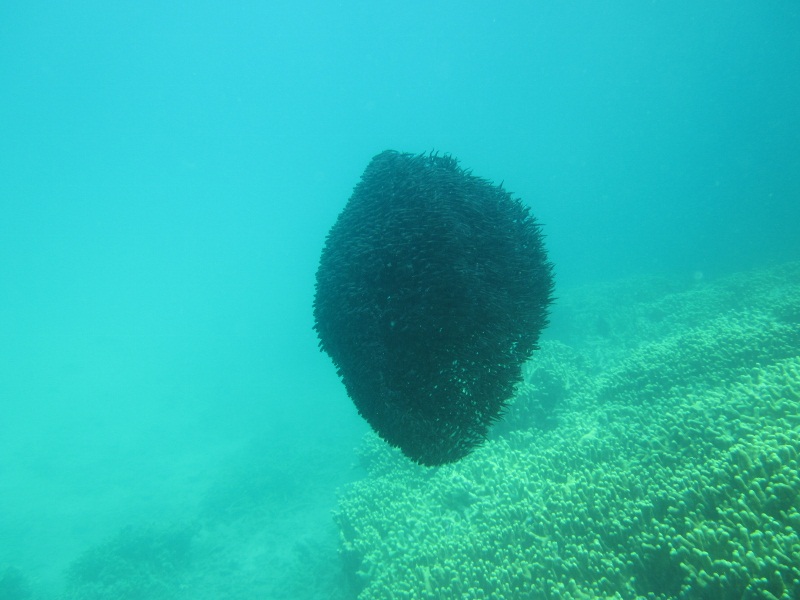
While Nha Trang isn’t the Great Barrier Reef or Blue Hole, the marine life was still impressive.  The good visibility combined with the diverse aquatic creates  made it an amazing dive location.

Nudibranch


Scorpion fish

Blue sea star

School of recently hatched catfish – they moved like a swarm of bees.

Our next two days of diving included additional underwater skills training and diving at deeper depths (up to 18 meters). We even got to explore a few small caves!

Working on our buoyancy

While the majority of our time in Nha Trang was dedicated to diving, we were able to enjoy the beach and town as well. The seafood was fresh and delicious, we enjoyed some tasty pale and golden ales from a local microbrewery, and walked the 6km stretch of beach from end to end.

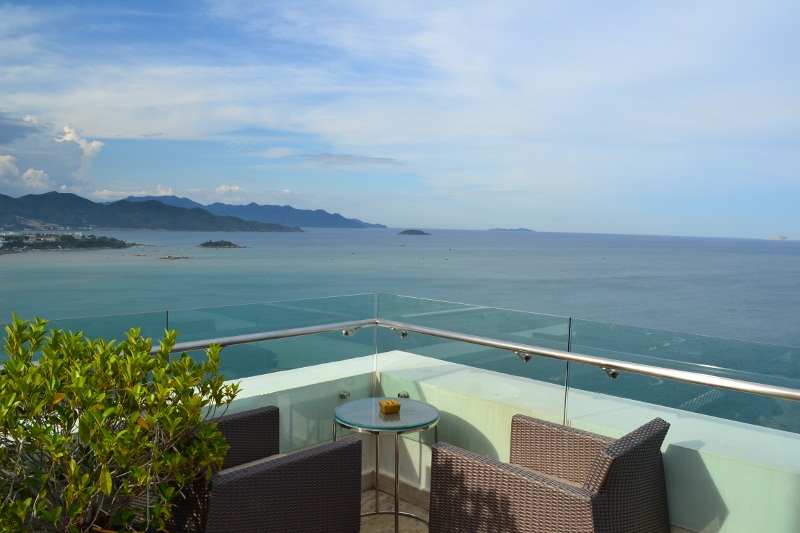
View of Nha Trang from the 28th floor of the Sheridan Hotel

We had a blast getting SCUBA certified and hanging out in Nha Trang for five days. It is the perfect place to relax on the beach or head out on the water for snorkeling, diving, parasailing or just cruising around. Oddly enough, it was a bit of a downer to complete our SSI course because we wanted to keep diving, but we had to keep moving south on our road to Ho Chi Minh City. We are counting the days until we can put our new SCUBA skills to use again and can’t wait to explore the seas of SE Asia and Oceania.

Read Full Post »

Any traveler in Vietnam will undoubtedly be told to visit the scenic area of Ha Long Bay. For decades, the limestone peaks of this coastal region in northern Vietnam have attracted tourists from far and wide.  Sadly, its popularity and designation as a UNESCO World Heritage Site have turned this natural wonder into an absolute zoo.

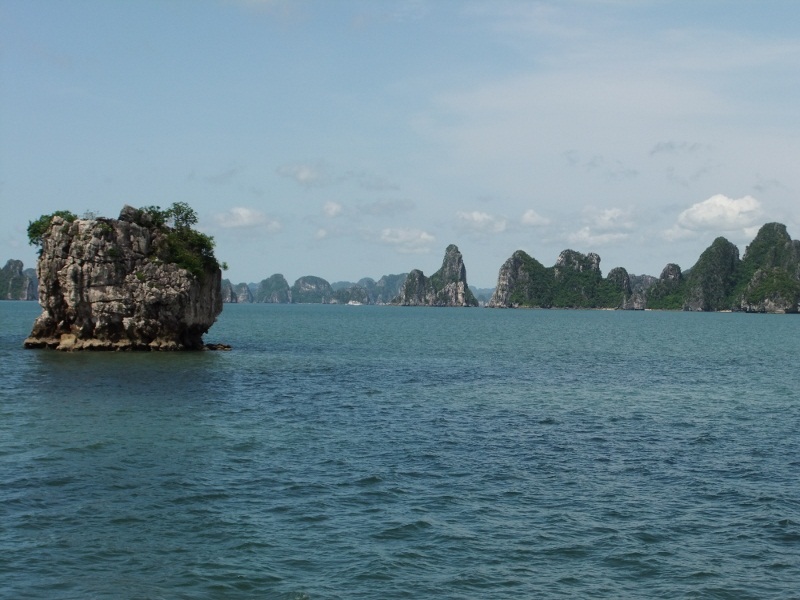
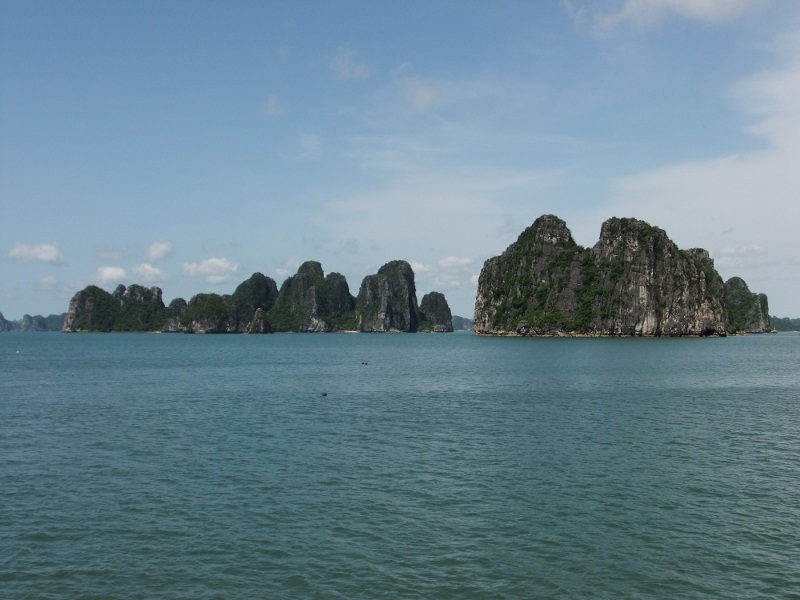
For us, there was nothing peaceful about the place; dozens of tour boats crowd the bay, tour operators aggressively try to fill their trips, and the water has become polluted from the thousands of people who visit each week. But don’t despair, another option still exists for those willing to put in a little extra effort. Adjacent to Ha Long is the area known as Bai Tu Long Bay. Like its neighbor, Bai Tu Long is home to countless limestone islands that rise sharply out of the turquoise waters and is relatively unaffected by the tourism industry.

Why is Bai Tu Long better than Ha Long? The same beautiful views without the masses of tourist boats!

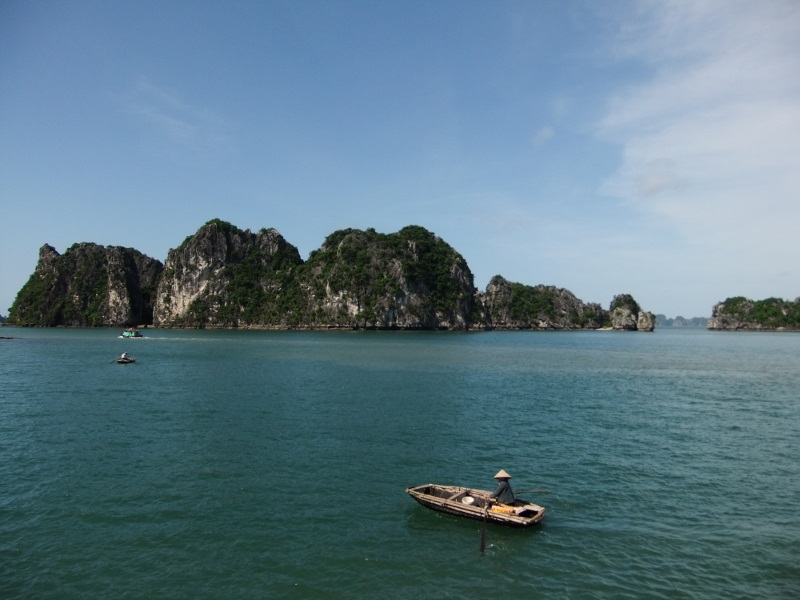
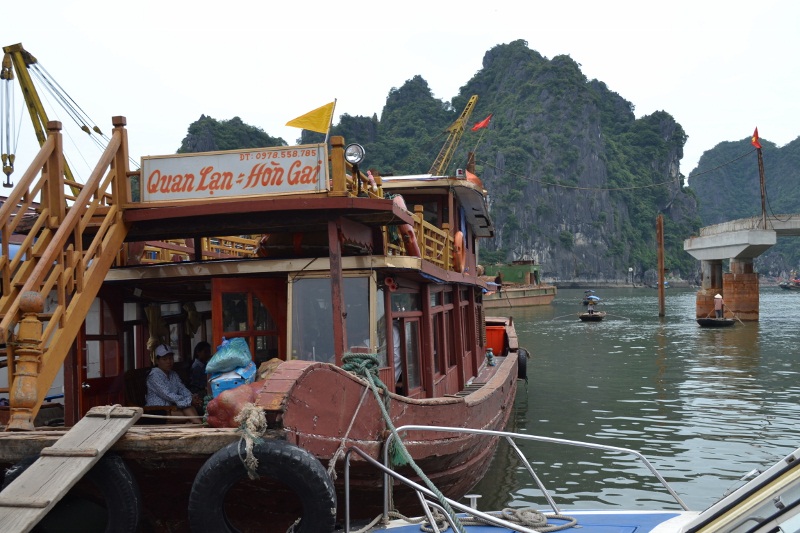
We’ve said it before and we’ll say it again, we don’t like tour groups. Several people in Hanoi tried to convince us that exploring Bai Tu Long on our own was impossible, but we took some advice from one of Amy’s brothers, did a little research and found a public ferry. We boarded a small wooden boat with locals that live on islands in the bay and set off into the landscape of towering peaks.

The public ferry that runs between Hon Gai and Quan Lan Island

View after incredible view of the limestone peaks in Bai Tu Long Bay

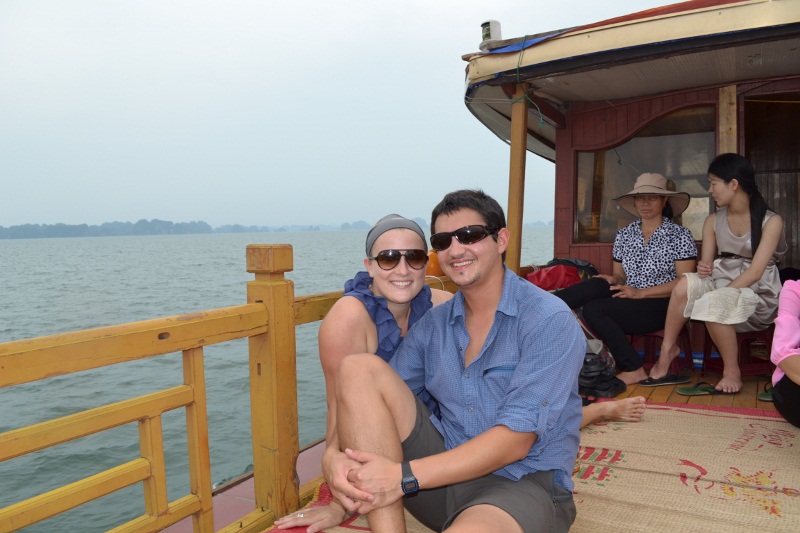
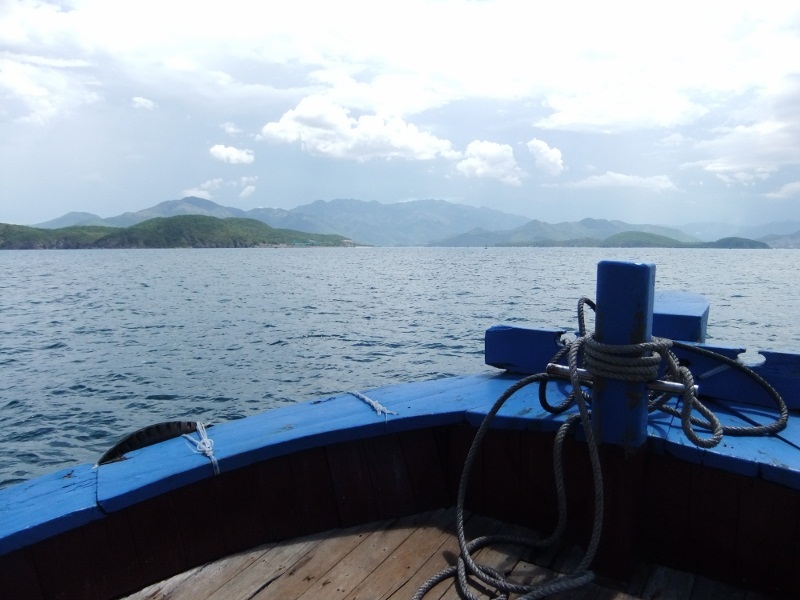
Hanging out on the roof of our boat as it slowly puttered through Bai Tu Long Bay

Because we are constantly moving, it can be easy to lose sight of the amazing expedition that we are on. Ironically, the same thing happens to travelers that happens to people at work…days blend into weeks and weeks into months. However, being out on the waters of Bai Tu Long brought back our sense of adventure. The thrill of being on a rickety boat headed to a sparsely populated island with no idea of where we were going to sleep reminded us why we left home in the first place. Watch our video from the ferry ride through Bai Tu Long Bay here or by clicking on the image below.

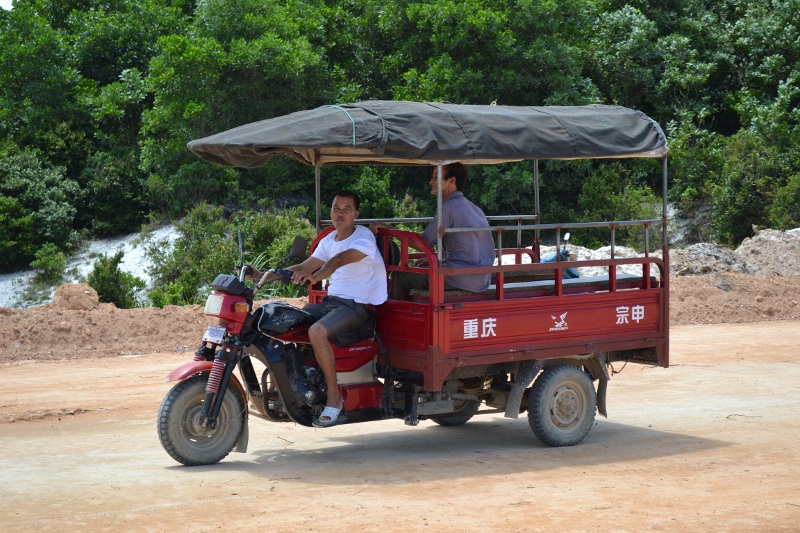
After a four hour boat journey, we docked at Quan Lan Island (pronounced Gwan-ah). This island is so remote that we were unable to find a map online prior to leaving the mainland, so we arrived with no idea of the layout of the land. Not surprisingly, there were numerous tuk-tuks waiting at the pier, so we jumped aboard and attempted to communicate that we wanted to go to a hotel, any hotel. The driver spoke zero English and gave us a blank look. He showed us 30,000 Dong and pointed to some small buildings in the distance. Having no other choice, we agreed to the price and were on our way.

Tuk-tuks and motorbikes are the only method of transport on Quan Lan.

Turns out there is no real town on the island, but there is one street that is home to a few mini-hotels, ALL of which double as restaurants, convenient stores and motorbike rental shops. They are very entrepreneurial people. It was quickly apparent that aside from the limited lodging, there is little to no tourist infrastructure in Quan Lan, a refreshing change from Hanoi and Ha Long.

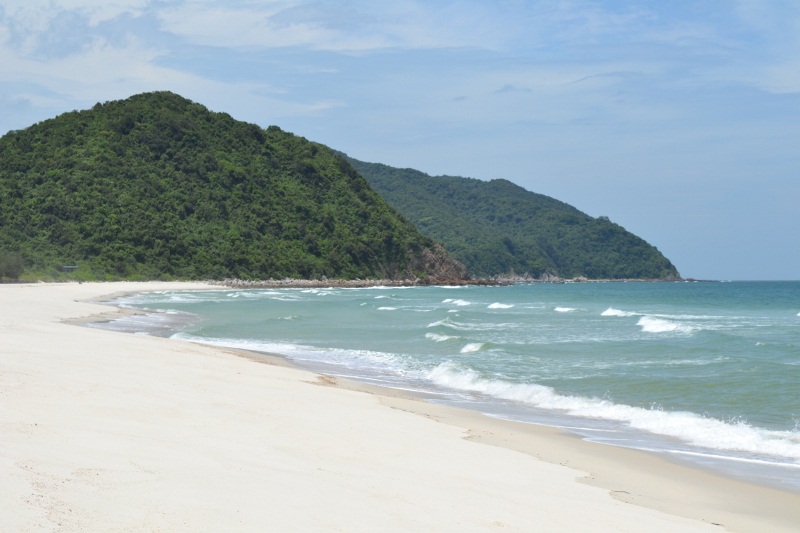
In the morning, we rented a motorbike from our hotel (we are pretty sure that it was the owner’s personal motorbike) and took off down the road. While we would never have attempted driving on the crazy streets of Hanoi, riding on Quan Lan was a piece of cake. Little to no traffic helped put us at ease, and having only one main road made getting lost on the island nearly impossible. Peaceful is the best word to describe this place; water buffalo roam the fields, rice paddies glisten in the sun, and waves crash onto white sand beaches.

Nothing but calm

Mike mastering the motorbike

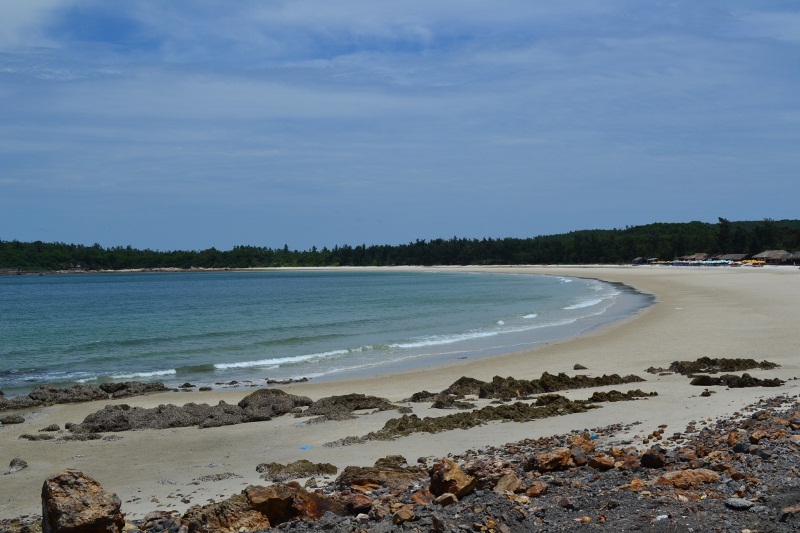
Our trip to this island can be summarized as a relaxing time on the beach. We didn’t do much else. The people of Quan Lan were some of the most friendly that we have encountered in Vietnam. Even though most do not speak a lick of English, we managed to have full conversations with people using impromptu sign language, and we were even invited into a family’s home for a crab dinner one night. It is clear that the influence of tourism has not yet ravaged this island, and we hope it stays this way. However, we weren’t the only tourists there, and we know that more will make the journey with each passing year. If you find yourself amongst them, please tread lightly.

Minh Chau Beach, on the northeast side of Quan Lan

The public ferry from Hon Gai, through Bai Tu Long Bay, to Quan Lan Island was spectacularly beautiful. When combined with the laid back atmosphere and friendly people of the island, we found it to be a worthwhile alternative to Ha Long Bay.

The return ferry ride couldn’t last long enough

Read Full Post »

We have finally arrived in SE Asia! While we always strive to live in the moment, we have secretly been longing to get to this part of the world since we left home. Stories of the region’s hectic streets, friendly people and incredible street food make it a legend in hostels around the world. These tales of a backpacker’s paradise sparked our interest long ago.

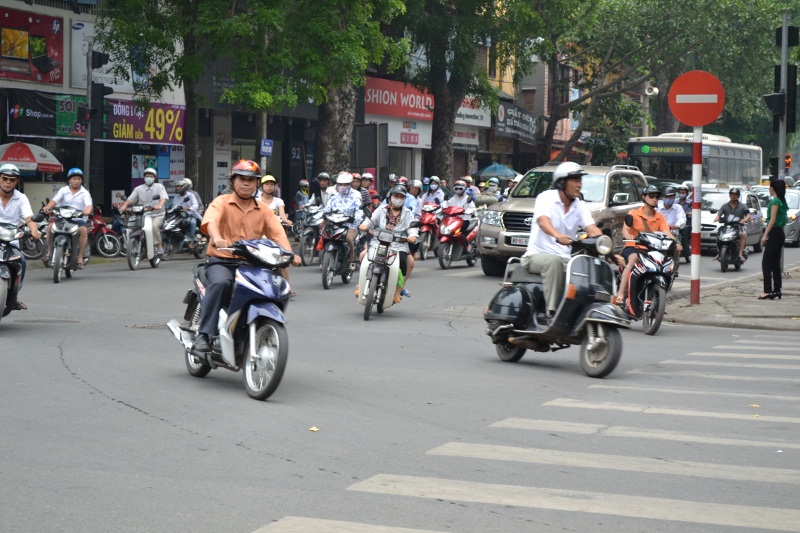
Our first stop in SE Asia was Hanoi, Vietnam. Our first impression? Holy motorbikes Batman! When we went to Marrakech, we thought the traffic was crazy. Then, we came to know the streets of China, but neither prepared us for the motorbike madness that exists in Hanoi. We have heard that cities like Bangkok and Singapore make maneuvering Hanoi look like child’s play, but our first thought when we gazed upon the raging river of motorbikes was, “WTF, how are we ever supposed to cross the street?!”

Quintessential Hanoi

After a few days, we became accustomed to walking in the street (the sidewalks are too cluttered to actually walk on) and weaving our way between bikes and cars. Our heart rates gradually lowered, and we started soaking up the good vibes that flow through this city.

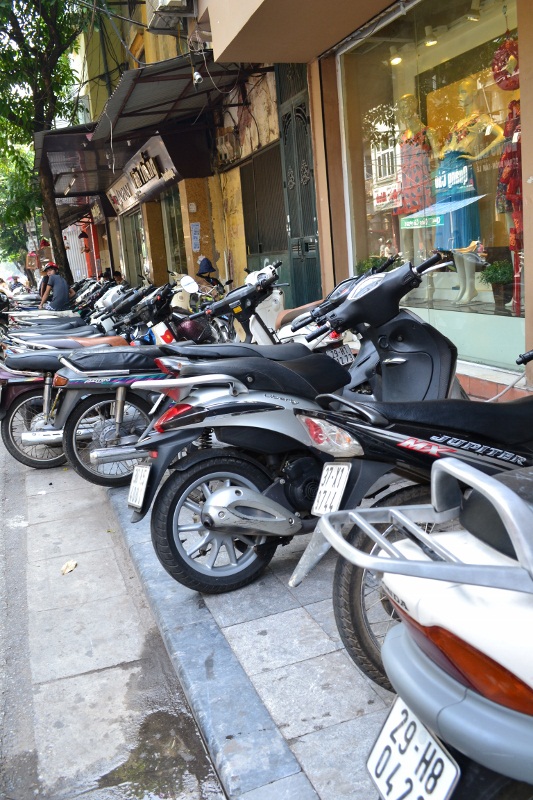
The word sidewalk shouldn’t be used in Hanoi. They are all unofficial parking lots, shops, or restaurants.

Before arriving in Vietnam, we had heard stories from other travelers about tourists getting fleeced right and left. More than one person told us that they will never return to Vietnam; it made the Vietnamese sound very unwelcoming and unfriendly. We found it to be the exact opposite. Every local we met in Hanoi said hello with a smile, and not one person tried to overcharge us, much less steal from us. It is the people of Hanoi that create the positive and upbeat vibe that we mentioned above.

There is no doubt that Hanoi is an epicenter of history, and although the city has a handful of tourist sights, we most enjoyed simply walking around the old town and seeing how the city works. It is really quite fascinating to see the systems that exist below the layers or chaos. We didn’t want to spend our whole time there just lounging around, so we dedicated about two half days to sightseeing at the following places.

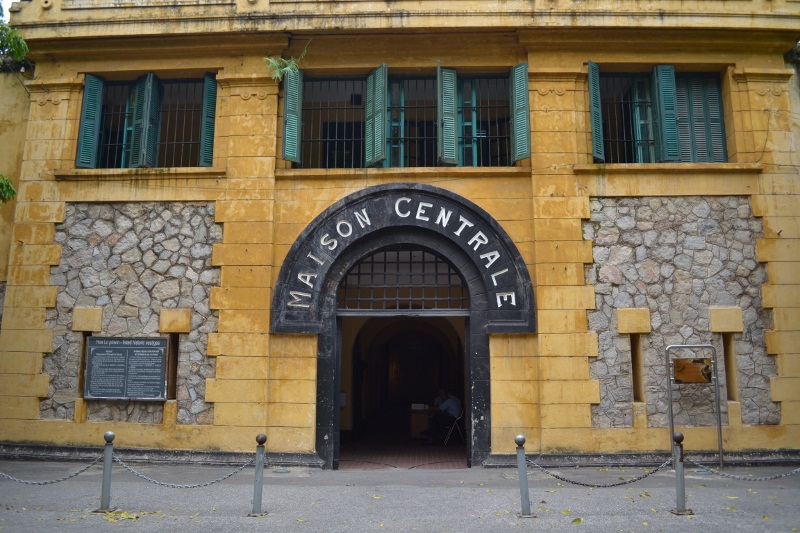
Hỏa Lò Prison, called the “Hanoi Hilton” by American POWs. Built by the French and used to imprison Vietnamese revolutionaries. Its most famous American prisoner? John McCain.

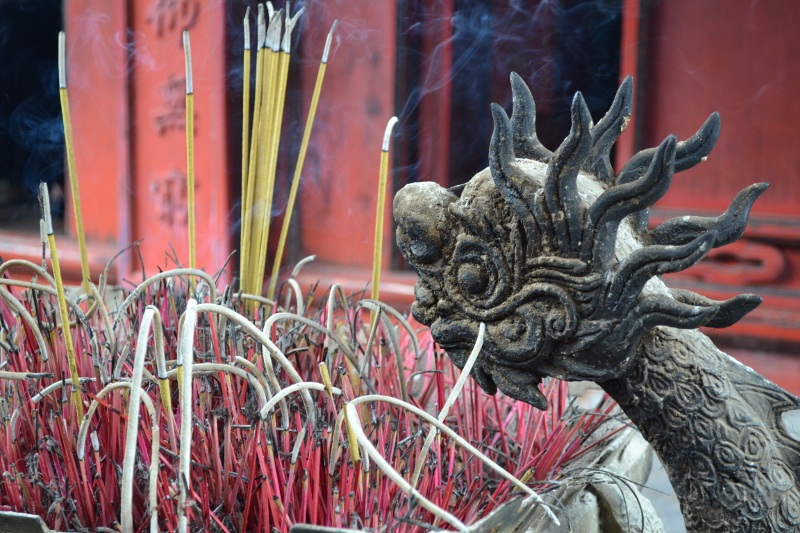
Offering of incense in front of the Temple of Literature.

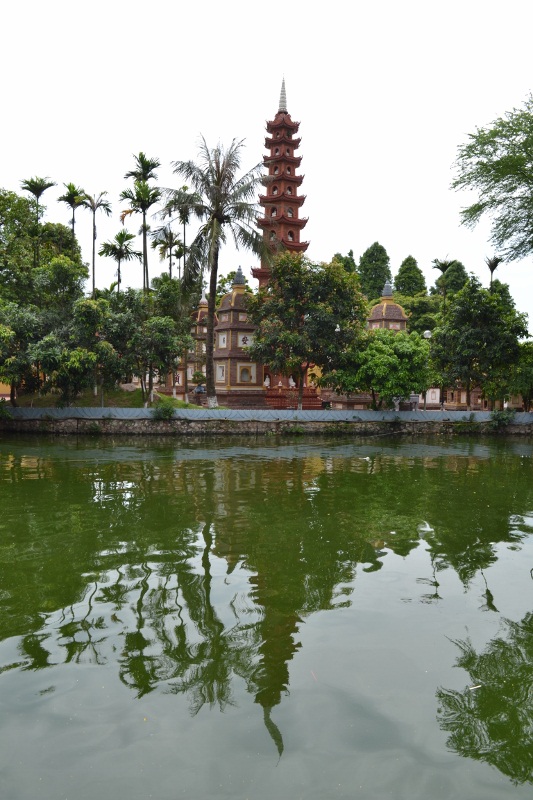
Tran Quoc Pagoda in West Lake. The oldest pagoda in Vietnam.

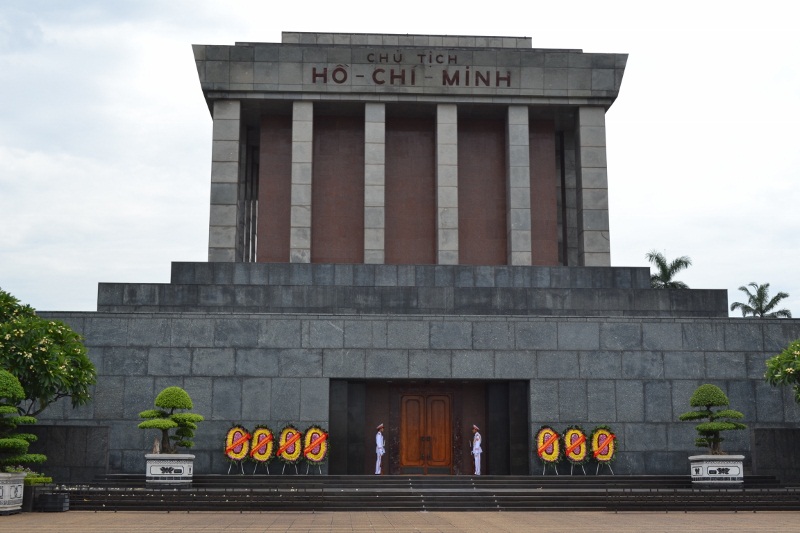
Ho Chi Minh’s Mausoleum has strict visitor policies, similar to that of Chairman Mao. After having visited Mao’s Mausoleum in Beijing we chose to forgo looking at another wax-covered corpse.

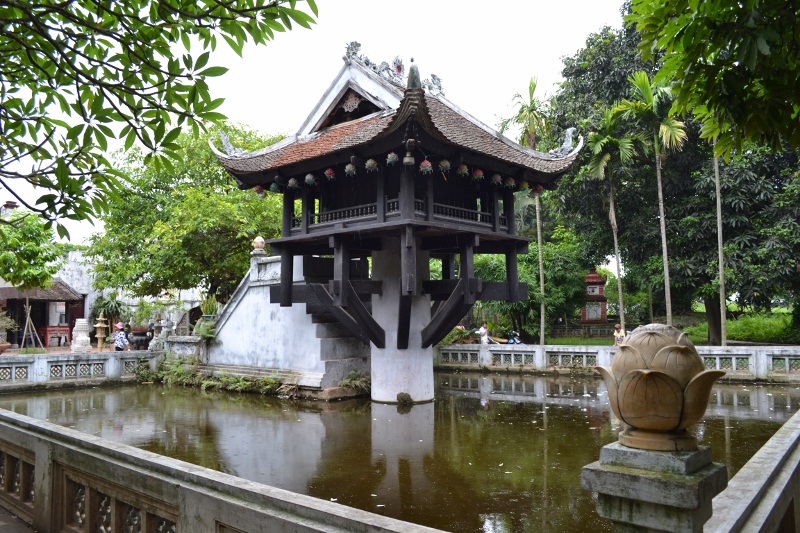
The One Pillar Pagoda, a Buddhist temple.

Sightseeing in Hanoi will really take it out of you. With the temperature over 30˚C and humidity close to 100%, we could only handle walking around town for a few hours at a time. Multiple showers per day, constant hydration and brief visits to buildings with air con helped us beat the heat. Many people cautioned us to not visit SE Asia in the summer because it is the hottest time of year and the rainy season, but to us, the frequent afternoon downpours are always a welcomed occurrence.

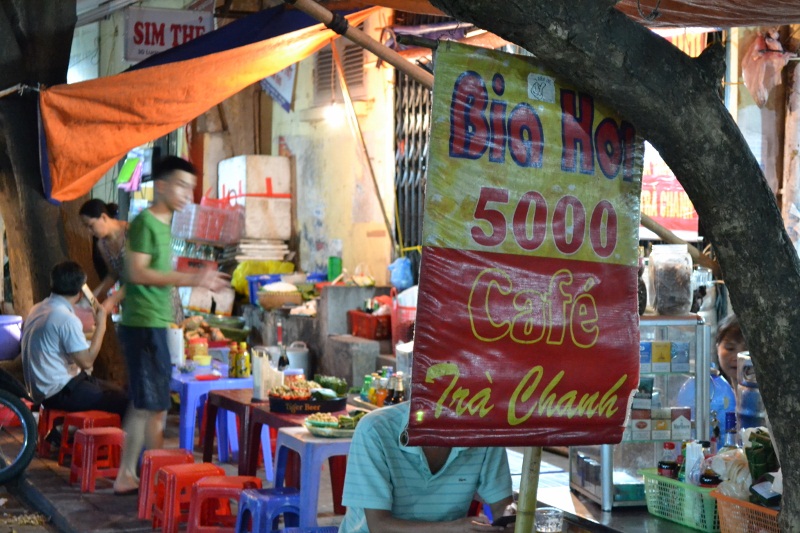
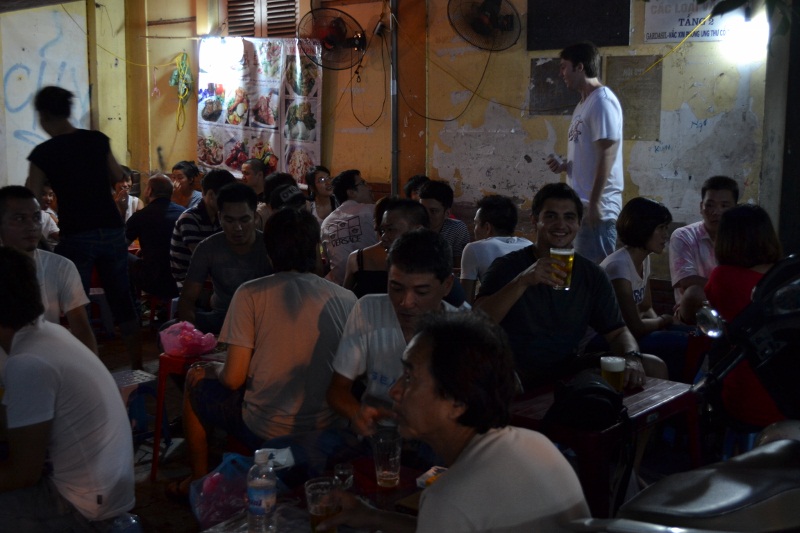
One of our favorite mid-day activities in Hanoi was stopping for some “bia hoi.” Bia hoi is Vietnamese for “fresh beer” and is quite possibly the cheapest draft beer in the world at 5,000 Dong (25 cents) per glass. It is not the most flavorful drink around, but in the sweltering heat it really makes you smack your lips and say “ahhhhhh” as your body temperature drops a couple degrees.

Our favorite bia hoi

There are many places around the city to quench your thirst, but on our first day in Hanoi we found a spot that we liked and kept coming back. We spent many hours there chatting with the owner, playing with her son and drinking with the locals. After a few days, we felt like part of a small community there and were sad to say goodbye.

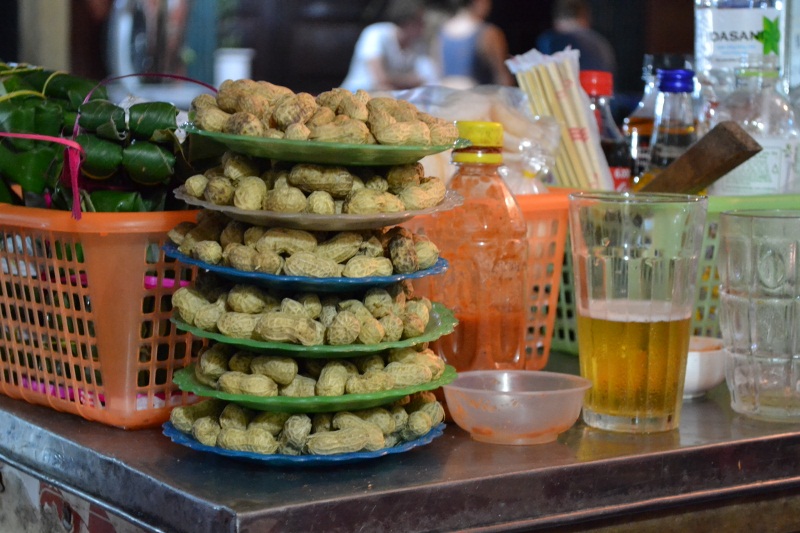
Never drink a bia hoi without a snack. Shrimp chips, peanuts, and pork in banana leaves seem to be the munchies of choice.

Can you find Mike?

One of the things that we liked most about Hanoi is that it is easy to distinguish the tourist traps from the genuinely local places. We have learned that the backpacker trail through Vietnam is well defined, with Hanoi being a hub for nearly all tourists that visit the country; therefore, Western-oriented establishments are ubiquitous. Ones that consist of very small plastic stools and tables on the sidewalk are a good indication that you are in for the real deal. These types of restaurants are the definition of hole in the wall. Sometimes they have a small portable cooking station on site, other times your order is relayed via cell phone to a kitchen down the street, and 10 minutes later someone comes walking down the block with your meal in hand.

Check out this kitchen. The health department in Hanoi must have very strict standards.

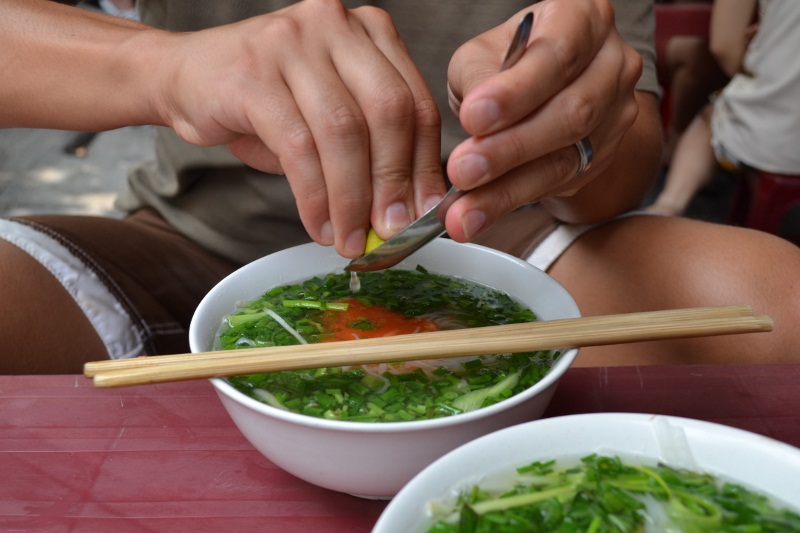
We didn’t know a whole lot about Vietnamese cuisine before arriving, and while we don’t have a firm grasp on the regional specialties just yet, we certainly got our fill of phở while in Hanoi. We were on a mission, just like Anthony Bourdain, to find the best bowl of phở around. We ate it every day for at least one meal, and came across a wide variety of styles. There is no way to decide on the best bowl of phở in Hanoi, but there are a few indicators that will let you know you’ve found a great phở spot, which Bourdain’s video explains in hilarious detail (watch it here). We couldn’t have said it better ourselves!

Phở, phở, glorious phở.

Hanoi electrified us, kept us on our toes and eventually made us feel at home. While getting advice from fellow travelers can be an incredible resource, the moral of the story here is that you shouldn’t always believe what you hear. The only way to know for sure whether or not you are going to like a city is to experience it for yourself.

Read Full Post »

A friend recently asked us, “What’s your perception on America after being away?”  Truth be told, we don’t spend a whole lot of time pondering this type of question. Maybe we should, but for the most part we are simply trying to enjoy the world and soak up every moment. Nonetheless, her question was a good one and did get us thinking about America. In honor of the 4th of July, we wrote this post to share some of our reflections about our home country after being away for the past half year. This is by no means a full summary of everything that’s going on in our heads, but is simply some food for thought. To all Americans at home and abroad, happy Independence Day!

Close your eyes and picture “an American.”  We’ll wait………..What does he or she look like?

The words “melting pot” are regularly used to describe the United States. Since the founding of our country, people from all over the world have made their way to the U.S. in search of their dreams. If there is one question that we have been asked more than any other during our trip it is, “Where are you from?” Surprisingly, many people look at Mike and say, “You don’t look American. Where are you really from?” As one man in Turkey put it, “Americans look like her” (as he pointed to Amy).  At first we didn’t know how to respond, but now whenever a conversation arises about what Americans are supposed to look like, we respond by saying that in our eyes, they too look like an American.

Early on in our trip we noticed that despite what you hear on the news, most people do not harbor anti-American sentiment. On rare occasion, some people that we’ve met have expressed frustration about our country’s foreign policies, but for the most part Americans are still well-liked, and the U.S.A. ranks high as a country that people would like to visit.  This positive attitude towards Americans is different than what we expected to encounter. A common joke we heard before leaving was, “If you get into trouble, just tell them you’re Canadian.” At the six month mark of our trip, we are happy to report that we haven’t claimed to be anything but American. Traveling has emphasized to us the importance of separating individuals from politics, and the value in engaging in dialogue with foreigners.  Like it or not, every traveler is an ambassador for their country.

More and more, we have come to realize that Americans do not travel internationally as much as our world neighbors. For that reason, we are often received with surprise and curiosity by locals and other travelers. “Why don’t other Americans take long trips?” people often ask. Travel is so engrained in the lifestyle of people in other developed countries, but not so much in the United States. For instance, many Australians and Kiwis travel during their gap year between high school and university. Europeans take summer holiday for months at a time. We have been pondering this trend, and it seems that Americans don’t travel abroad as frequently because they simply do not have the time. What do you think prevents Americans from traveling abroad?

Due to the fact that we generally stay in hostels, we are constantly engaging in conversation with other travelers. As we mentioned previously, many people view Americans in a positive light and want to visit the U.S., however, a lot of would-be tourists are not able to get permission. This trip has made us realize how difficult our country makes it for foreigners to visit. Tourist visas, work visas and green cards are incredibly difficult to get. Not to mention, the system for acquiring access to the United States is not created with equality in mind; the level of difficulty has a great deal to do with one’s country of origin. We think that allowing more people to visit and work in our country would be a great way to share our culture with the world.

Some of our perceptions of America have changed during our RTW trip, others have not, and our views will further evolve as we continue to make our way around the world. On this 4th of July, we are particularly cognizant of how grateful we are to have been born in the U.S.A. We don’t know when we will be returning stateside, but we will always be happy to know that it is our home.

Read Full Post »

While sometimes it may seem that we are obsessed with food, eating isn’t the only thing we do when traveling. We swear. Yes, Part I of this blog series was all about food, but we actually did a lot of non-food related sightseeing in Tokyo as well. In between meals, our favorite way to explore a city is to simply walk around and see where the day takes us. Many travelers we meet spend all day zipping around in taxis, trying to see everything. That’s not our style. Sometimes we take off in the morning with a specific destination in mind, but more often than not we just head out with a map in our pocket and wing it.

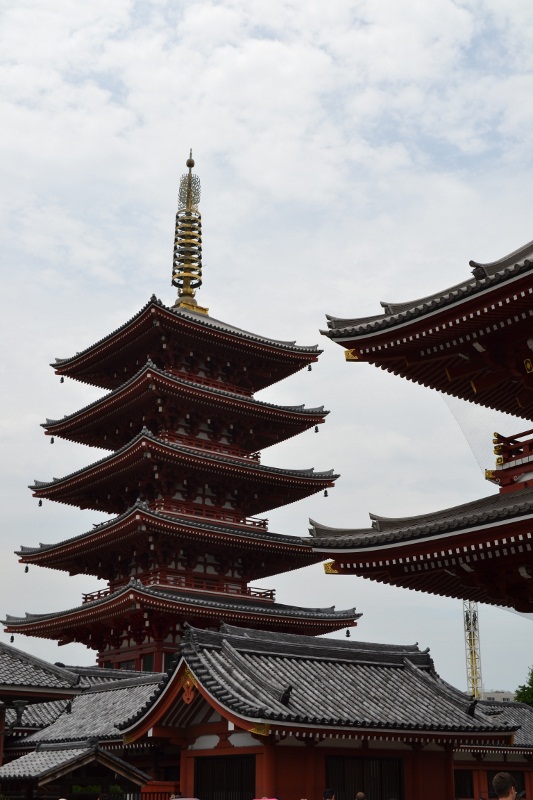
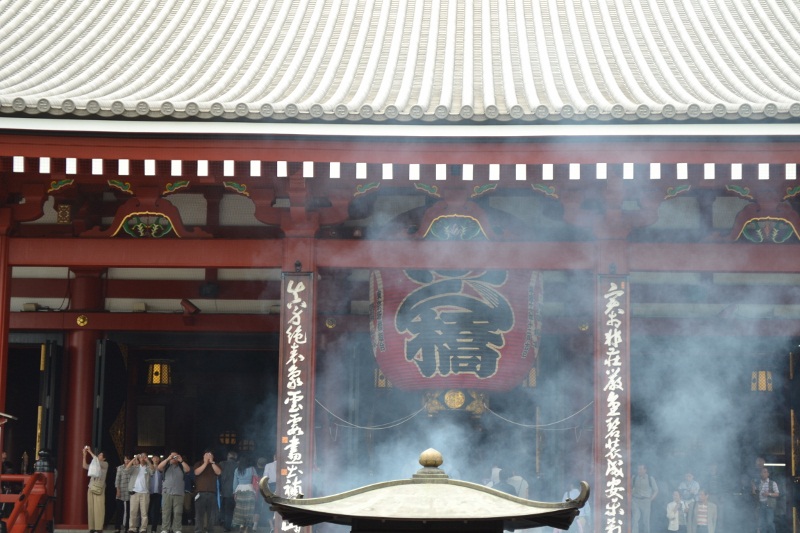
Our first few hours in Tokyo began as a quest towards the Sensō-ji Temple Complex, which we heard is the temple to visit if you time in Tokyo is short. It was a nice temple, but surrounded by hordes of tourists and neighbored by a small amusement park. It definitely was not the highlight of our trek through the Asakusa neighborhood.

Offerings at a Buddhist altar within the Sensō-ji Temple Complex

The Pagoda of Sensō-ji

Incense smoke engulfing Sensō-ji Temple

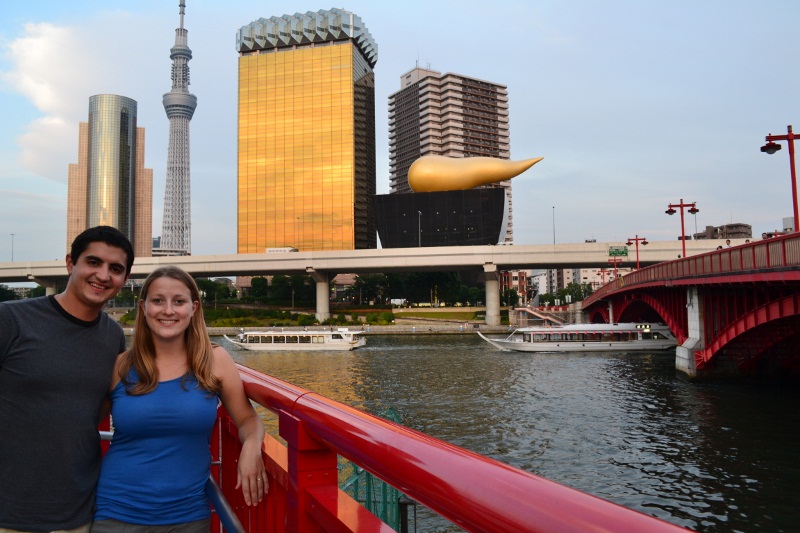
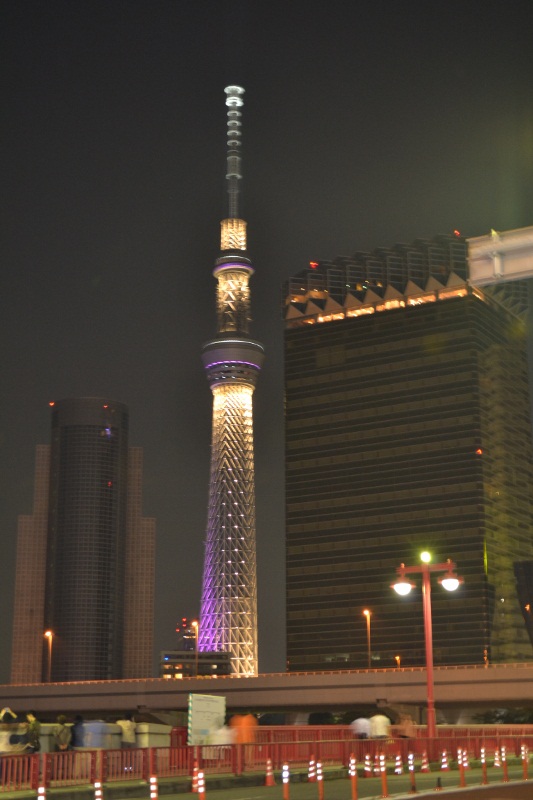
Along the way to Sensō-ji we caught our first glimpse of the brand new Tokyo Skytree. This building is all the rage in Japan at the moment; you can’t possibly walk one block without seeing a corny Skytree souvenir stand. The Skytree opened in May 2012 and is now the tallest structure in the country and the second tallest in the world. People sign up months in advance to go the top. We of course had not planned that far in advance, but had a photo shoot along the Sumida River.

The Skytree is so tall that it didn’t fit in the frame.

The Skytree in its evening-ware

When we had finished admiring the Skytree, we didn’t really know what to do next. So we just picked a direction and started walking. Fortunately, our choice was a good one, and we stumbled upon a fascinating shopping district. We are not talking about a cutesy outdoor mall with clothing boutiques. You see, we have come to realize that most cities in the world have entire streets, sometimes even whole neighborhoods dedicated to selling a specific grouping of products or services. We don’t know how so many competitors manage to survive in such a small geographic space, but somehow they do. Often we find ourselves walking down the street saying something along the lines of, “Oh, this must be the diapers and toilet paper section of Hanoi” or “Here is the power tools block in Istanbul” or “Man, this wedding invitation street runs half way across Prague.” Well, this particular shopping area of Tokyo was solely dedicated to selling kitchen gadgets and restaurant supplies.

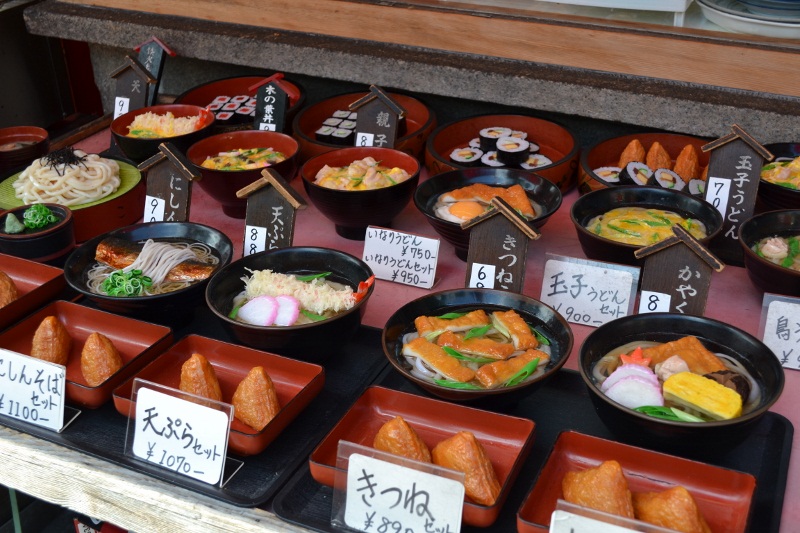
We spent hours exploring this part of town. We know it sounds strange and you are probably thinking, “They went all the way to Tokyo to visit a Williams-Sonoma?” After reading-up on it when we got back to our hostel, we learned this area of town is called Kappabashi, and Kappabashi is a crazy place. In this neighborhood, you will find entire shops that sell only plastic food for restaurant window displays. Others manufacture and sell hundreds of the most incredible chef’s knifes we’ve ever seen. There are stores that sell only antique items, while their neighbor specializes in the most cutting edge culinary equipment.

Even though it looks real, these are actually made of plastic. All of which can be purchased at Kappabashi

Amazed and over stimulated from our thorough exploration of Kappabashi, we journeyed off to find some…yes, you guessed it…food. Lucky for us, we happened upon a parade that led us straight to a festival where tasty street food was being served. After a few minutes on this street, we noticed that all of the men were wearing waist length robes, many of which exposed areas where the sun doesn’t shine. We still aren’t sure what the festival was all about, but snapped a short video of it that you can watch here or by clicking on the image below.

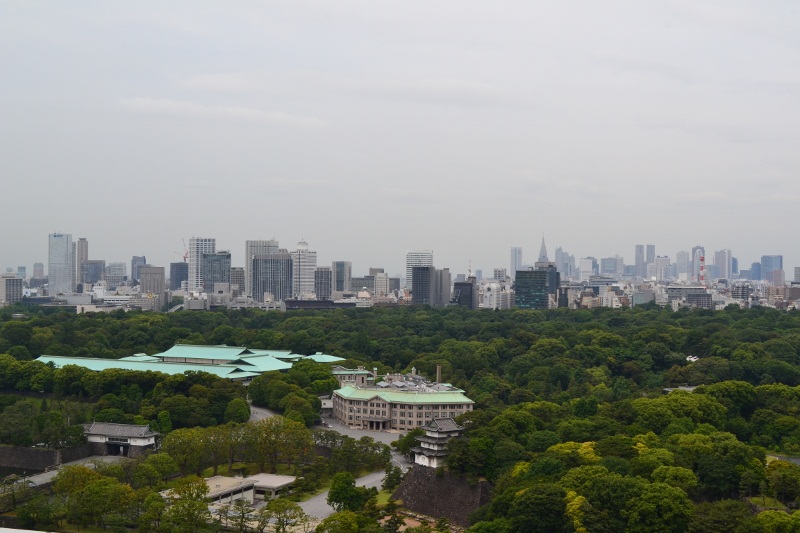
On our second day in Tokyo, we took a tip from our hostel and hopped on the subway towards the Imperial Palace. We were forewarned that many tourists do not find the palace interesting since you cannot enter the gates, but we went anyway. Determined to get a good view over the palace walls, we began to circumnavigate it in hopes of finding a good vantage point, but after 30 minutes it just didn’t seem possible. That’s when we pulled out a wild card and went with a move that has worked well for us in the past. Other budget travelers will want to write this one down as many places (the Skytree for instance) charge a pretty penny for a nice view. We hate paying for views. We located a tall hotel that bordered the palace, walked confidently into the lobby, found the elevator and pushed the button for “club level.” Once at the top, we put on our best smiles and talked our way into the club member lounge on the top floor of the Imperial Palace Hotel. There we found the view we were looking for!

Excited to be seeing it from the top

View down on the Imperial Palace and Gardens

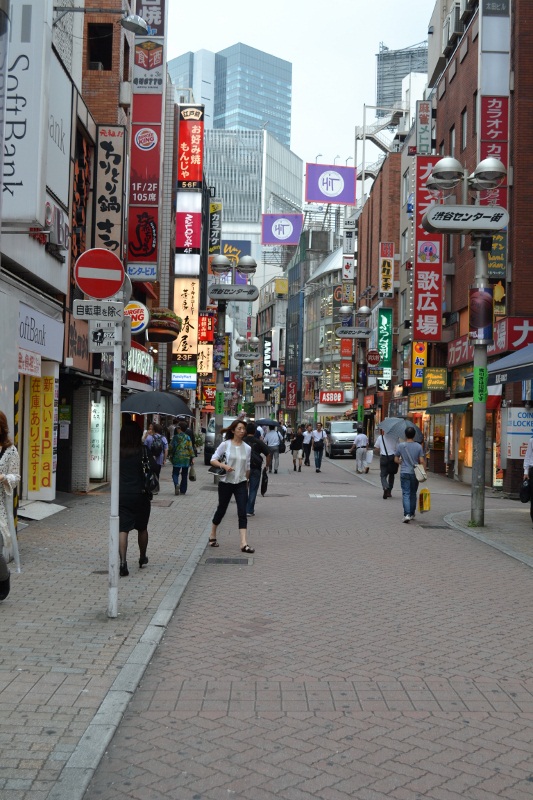
Next, we hopped on a subway and got off at a random stop called Shibuya. This is where we found the stereotypical Tokyo that we were looking for: crowded streets, flashing lights, crazy fashion, and surprises around every corner. Respect and honor may mean a lot in Japan, but they still have their seedy parts of town.

One of the calmest and least bright streets in Shibuya

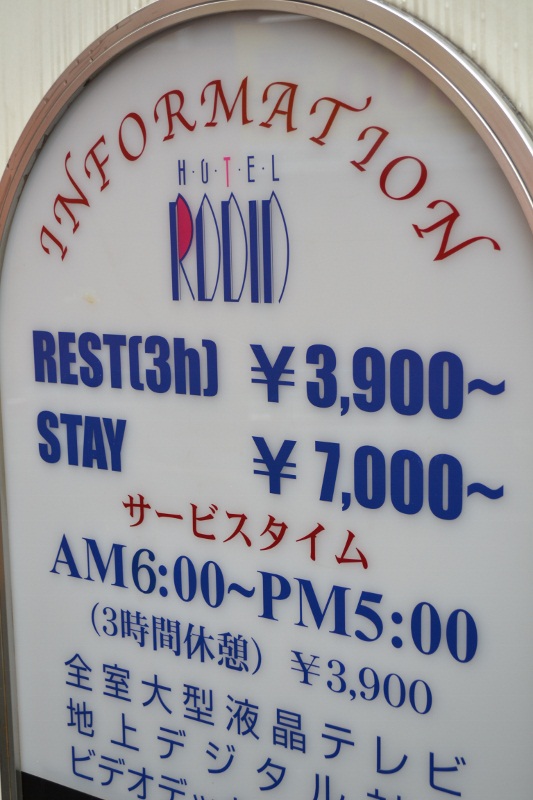
Shibuya is home to many adult activities – case in point, love hotels. 3 hours seems like enough for a “rest,” don’t you think?

Our visit to Tokyo was full of unexpected twists, and our departure was no different. A typhoon rolled into town on our last night there, which not only made for a soaking and umbrella-breaking journey to dinner that night, but also a deviation from our original flight plan. We can’t say that we were upset about the detour (the airlines can’t control the weather after all), but after 24 hours of travel and one unplanned night in a sketchy hotel in Guangzhou, we were happy to arrive in Hanoi.

Read Full Post »

We only had three days in Tokyo, so we had to make the most of this electrifying city. To write the end before the beginning, we can sum it up by saying we left Tokyo with a strong desire to return. In the first part of this series, we will share with you the incredible food scene we experienced in Tokyo. Part II will delve into our exploration of some of the city’s sights and neighborhoods.

From Sea to Table

Do you ever wonder where that little piece of tuna you’re eating came from? While it’s hard to know for certain, there is a pretty good chance it passed through the Tsukiji Fish Market in Tokyo, the largest fish market in the world. The action starts early here, with fish auctions for the high-end catches running from 5am to 7am. We arrived around 6:30am and dove right into the chaos that consumes the heart of the market.

Early morning hours at the Tsukiji fish market

This is not your typical neighborhood fish market; Tsukiji is home to fishermen who are selling massive quantities of fish to wholesalers. According to Wikipedia, over 400 types of seafood are sold at Tsukiji on any given day. If it lives in the sea and can be eaten, it’s sold at Tsukiji Fish Market.

Ominously glowing pieces of tuna. Aren’t they stunning?

One of the many species of octopi on sale at Tsukiji

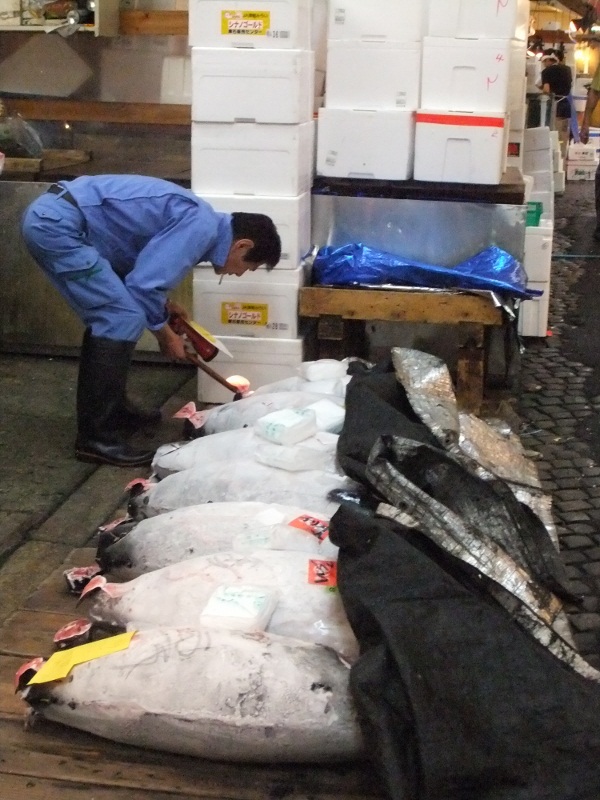
Aside from the extra large bivalves and colorful octopi, we were most impressed by the humongous tuna that we saw. Workers handled these whole frozen tuna with hooks and gloves, maneuvering them from the ground to counter tops. There, they are cut in half using band saws and then into smaller pieces by knives that looked more like swords.

HUGE tuna fish

Tuna handler in action – hopping over his group’s share of tuna and in between table saws

You do not want to get between this guy and his tuna. “Call that a knife?” This is a real knife, Mr. Crocodile Dundee.

Hop on the Sushi Train

Although a novelty in the States, sushi train restaurants are not so uncommon in Japan. Excited to try some of the fish we saw at Tsukiji the day before, we headed out to dinner at a sushi go-round in the Asakusa neighborhood.

Watching our dinner circle round as we waited in line with anticipation, our appetites growing by the second

We enjoyed some of our favorites, such as Hamachi (yellow tail) and Aji (mackerel) and also tried a few new things, including abalone and crab miso soup.

Fatty tuna roll with green onion

Octopus sushi

After the waiter tallied up our tower of plates, which ranged from 180-700 Yen/plate, and added in our sake, the bill came to about $50 USD. Not exactly a cheap meal, but compared to a sushi dinner for two at home, it was a steal. Well worth the dent to our backpackers’ budget!

We did so much damage…

Dinner, Tatami-Style

Many fantastic restaurants in Tokyo are very unassuming. There is little to no signage out front, and you often do not even realize they are there. We were intrigued by a certain restaurant near our hostel. Each day during lunch, we noticed a line of people that stretched down the block, but in the evening it was hard to tell if the place was even open. The front doors were shut, and the building had no windows. After two days of walking past with our curiosity teeming, we finally gave in and slowly opened one of the sliding wooden doors to take a peek.

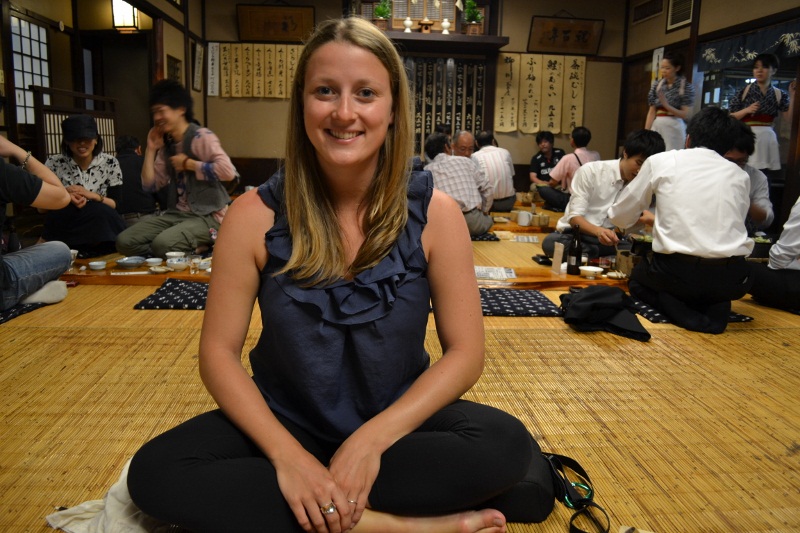
Amy getting comfortable on the tatami floor

Inside, we found several tables of people sitting on tatami mats and enjoying traditional Japanese cuisine. The menu wasn’t well translated, so we did what we normally do in that type of situation – we smiled and pointed to the dish that everyone else was eating. Turns out the dish is called “Dozeu-nabe” (this website describes the dish pretty well). The dish was composed of small river fish that had first been cooked in sake and then transferred to a shallow metal dish. The fish then simmered over hot coals with green onions and fermented soy sauce on top.

The preparation method softens the fish so that they can be consumed whole, bones and all.

Mike digging into the dozeu-nabe

When the waitress first brought the dish to our table, our faces must have looked hilarious, as it didn’t look too appetizing. She graciously showed us how to properly prepare it. Halfway through the meal, she stopped by to tell us that one of the cooks was very impressed after observing our chopstick skills and Japanese dining manners. We always try to be culturally conscious travelers, and it was nice to hear that our efforts are appreciated! In the end, we could not have been more satisfied. Dozeu-nabe is delicious, and we were thrilled at the authenticity of dinner that evening.

Hibernating in the Sake Dens

Visiting an izakaya (sake den) was on our must-do list upon arriving in Tokyo. These Japanese style pubs are where the locals relax, loosen their ties after work, and often get helped out the door by a waiter as they stumble with an arm over their friend’s shoulder.

Hanging sake bottles mark the entrance to an izakaya in the Shibuya area

Following our tatami-style dinner, we made our way to a nearby izakaya that served up delicious tapas (for lack of a better word), meat skewers and generous glasses of sake.

The good stuff

The other good stuff

After six large cups of refreshing cold sake, a sampling of pork temple and chicken liver, and some great people watching, we were set for the night and made our walk home with nothing but smiles on our faces.

We call this ‘the sake glow’

The good thing about spending at least three days in a city is that it gives you the opportunity to truly experience the local cuisine by eating  nine solid meals. Between our tatami dinner, visit to the fish market, sake den experience, and many more meals, which we did not include in this post, we felt as though we had a good grip on the Tokyo food scene. As we mentioned, we left Tokyo wanting to see and taste more, and we will certainly be back someday.

Read Full Post »

Going Back to Work

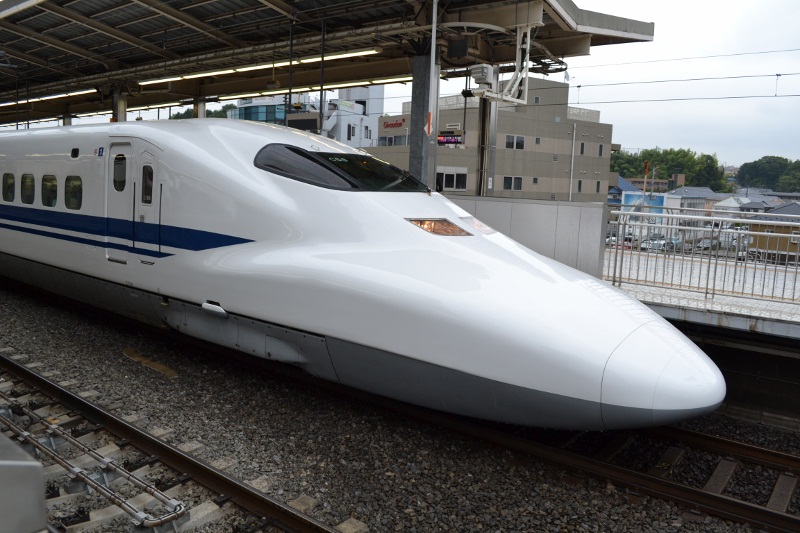
Don’t worry, our trip around the world isn’t over yet! We just had some business to take care of in Yokohama, and our return to work was only temporary. It had been six months since we last set foot in a working environment (sob story, we know), but to be honest, we were a little anxious about going back to work. In true business traveler fashion, we took the Shinkansen high-speed train from Kyoto after sightseeing there for a week. You have to have a job to take this train, as the two hour ride costs nearly $150/ticket!

The Shinkansen (a.k.a. bullet train) that we rode from Kyoto to Yokohama reached speeds over 300km/hr!

When we arrived in Yokohama, we traded in our backpacker wardrobe for business attire and prepared ourselves for four days “on the clock.” Spending several hours ironing clothes is not our idea of a fun first night in a new city, but getting dressed up in clean, pressed business attire actually felt quite refreshing. When you’ve been living out of a backpack for months on end, new clothes feel like a new car.

First day back at work!

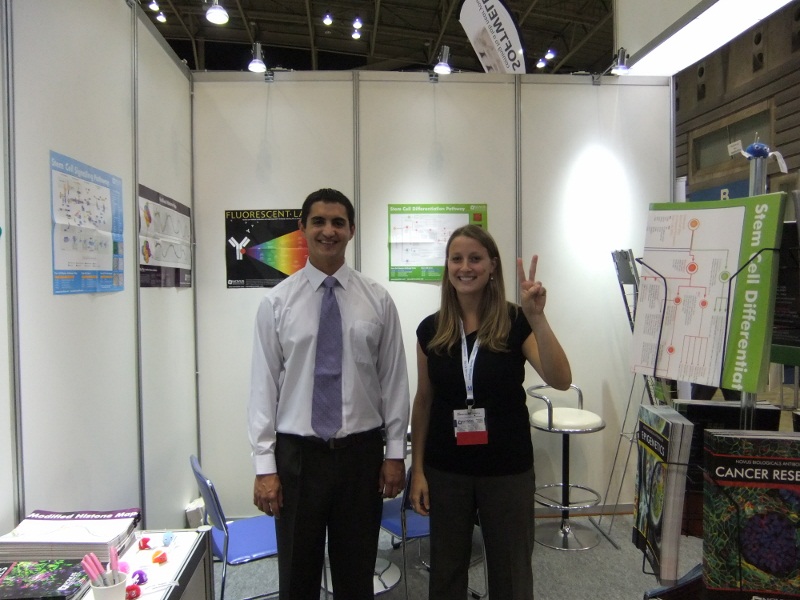
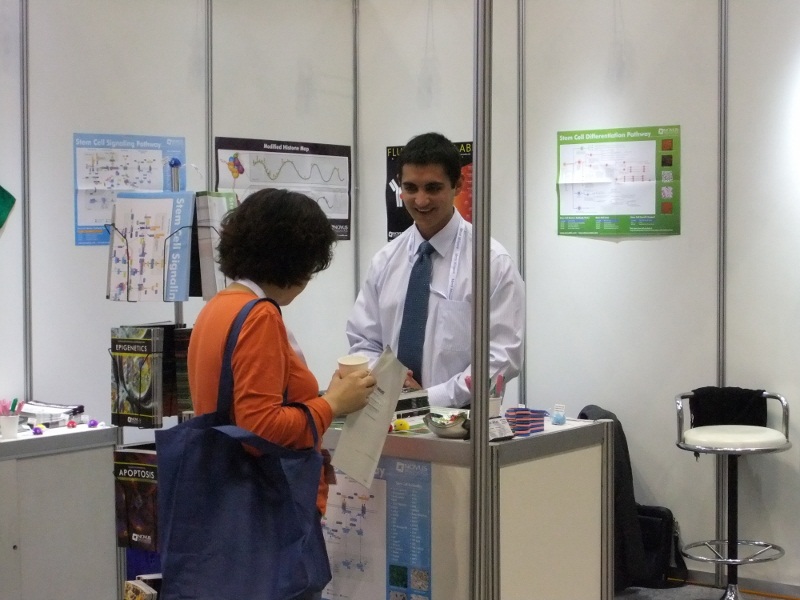
We were in town for the 10th Annual ISSCR Stem Cell Research Convention, which brought together researchers from around the globe. We were working as private contractors manning the booth for Novus Biologicals, Amy’s former employer in Colorado. Our job was to let researchers know about antibodies and other related products that may be useful to their stem cell studies. Amy has worked numerous such conventions in the past; for Mike it was a brand new experience. He got a crash course in antibodies before arriving in Japan and did a stellar job with his science lingo. Thank you, Novus, for the opportunity to work ISSCR!

Mike helping out a curious researcher

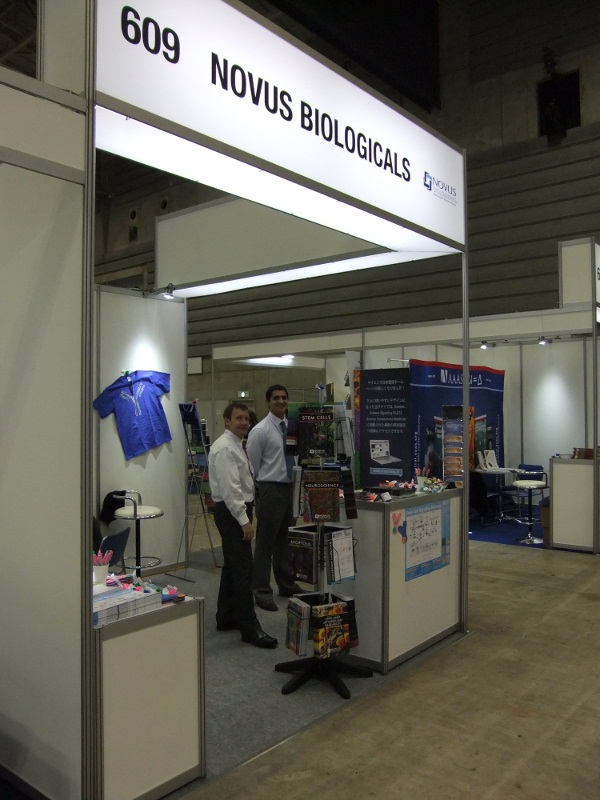
The Novus booth was our home for four days in Yokohama.

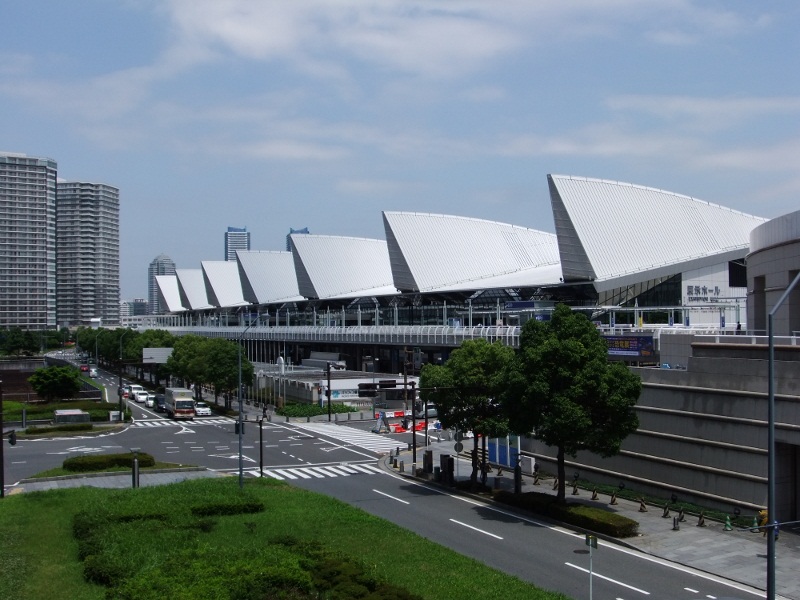
The event took place at the PACIFICO Yokohama. This convention center is situated along the water and near some great restaurants and parks in Yokohama. We were lucky enough to have a bit of time to sightsee before and after ISSCR.

The PACIFICO Yokohama on one of the few sunny, rain-free days during ISSCR

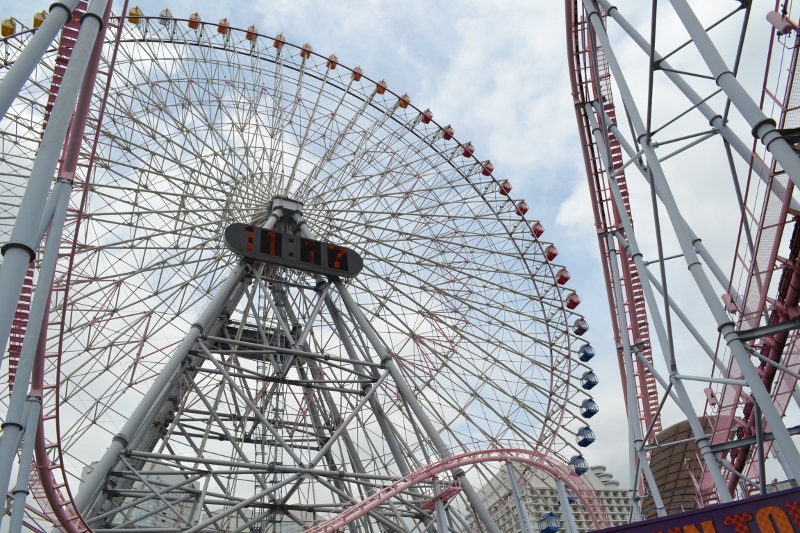
This amusement park is situated right next to the convention center, which made it easy for us to take a roller coaster ride before the first day of the show!

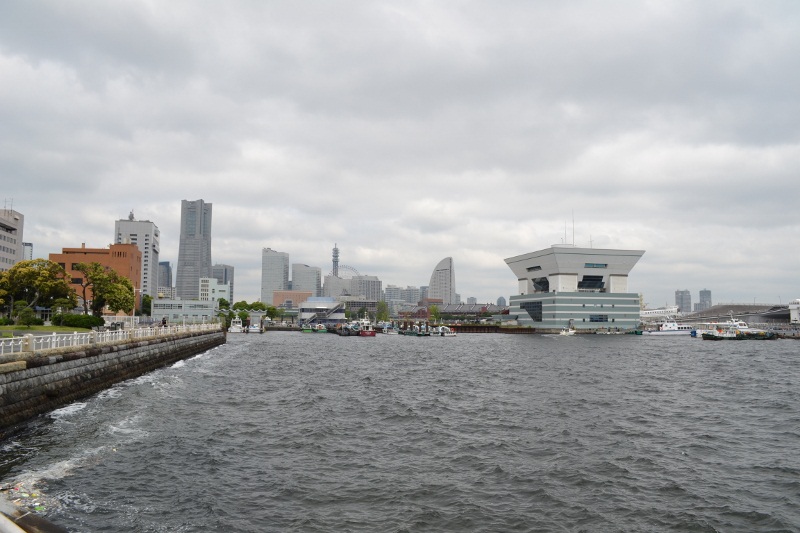
View of the skyline from Yamashita Park

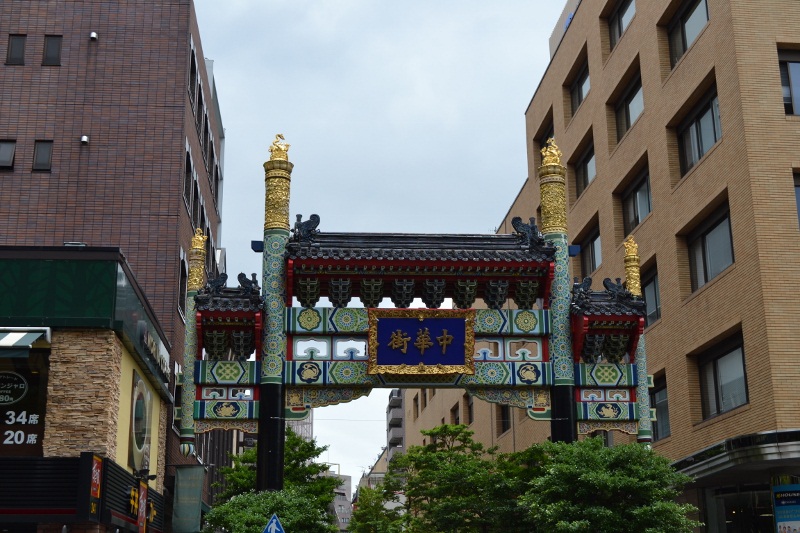
Our hotel was located just a few blocks from Chinatown, one of the largest of its kind in the world, which provided for some great people watching and delicious meals, and the hectic vibe actually brought us back to our recent travels in China.

The East Gate to Yokohama’s Chinatown

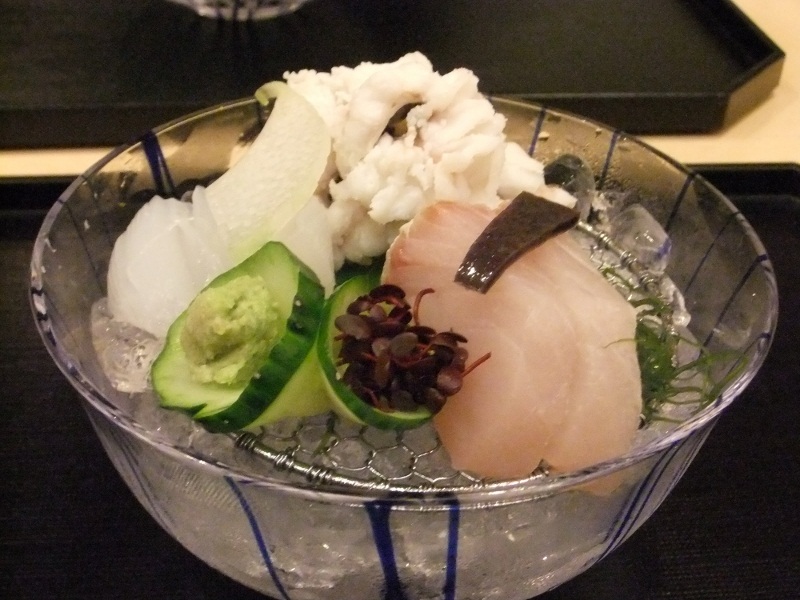
We seem to be ending all of our posts recently by talking about food, so we may as well keep with the trend. No business trip is complete without a fancy business dinner. We enjoyed an incredible Kyoto-style dinner one night with Amy’s former boss and a Japanese distributor. With ten courses, three types of sake and good conversation, it was a real treat to say the least.

2nd Course: squid, pike and sashimi served on ice.

All in all, going back to work went very smoothly. It was a good reminder of the hard work we did to make our dream of traveling the world come true. So for now, it’s back to life on the road and doing the work that we love, blogging about our travels. Who knows what the future will hold; we are focusing on living life in the present.

Read Full Post »

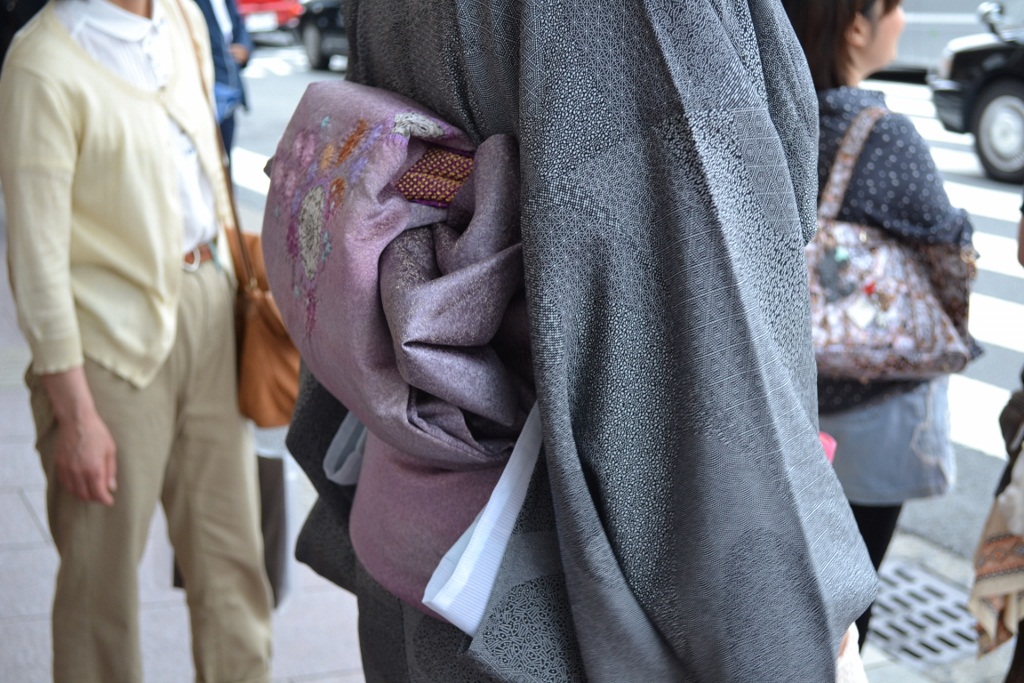
One of the first things that any traveler will notice about Kyoto is that there appears to be a temple or shrine on nearly every block. That may be a bit of an exaggeration, but Kyoto’s reputation as the home of traditional Japanese culture is well deserved. Once the Imperial Capital of Japan, Kyoto is now a modern city where the traditions of the past live on. In the midst of crowded, multiple-story malls, you will find a number of women shopping in traditional Japanese Kimonos, and when you exit the mall, you are likely to find monks worshiping at a temple just around the corner.

Kimonos are a common sight in Kyoto.

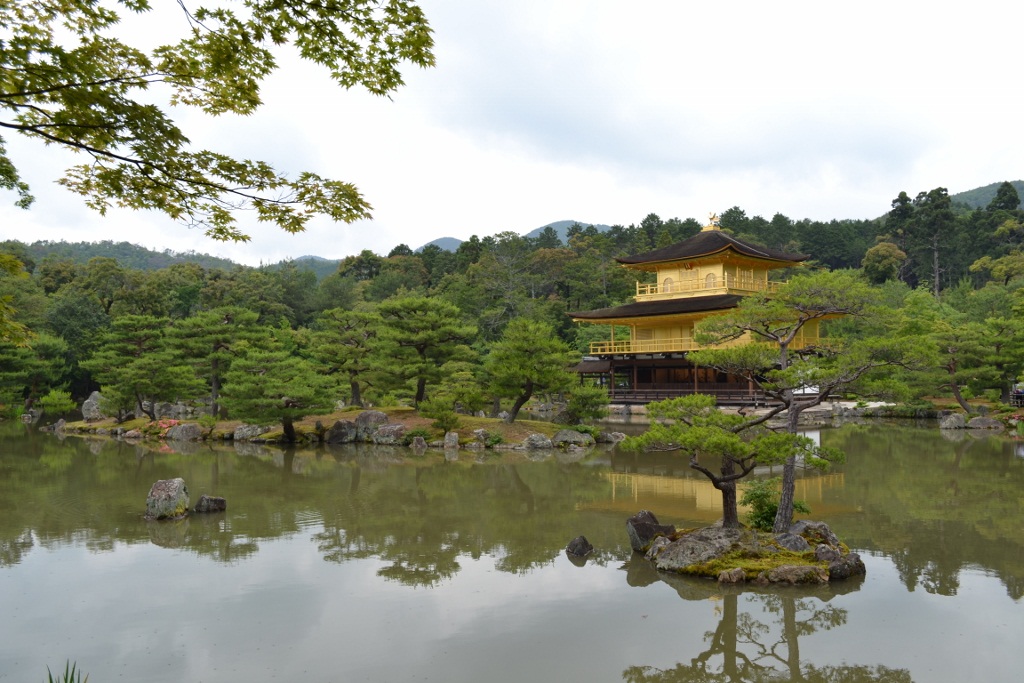
We spent our week in Kyoto visiting only a handful of the many temples and shrines, but the ones we did visit were magnificent. From the moment we set foot in Japan, we were truly humbled by the kindness and respect that people show one another. Even those who have never traveled abroad would feel safe and welcome in Japan. Nonetheless, it was helpful to have a Japanese-speaking guide to get an insider’s perspective on the culture of Japan. Our friend, Patricia, who lives and works in the Shiga Prefecture, met us in town one day to show us around to Kinkaku-ji (The Golden Temple) and Fushimi Inari Shrine. It made the experience that much more authentic.

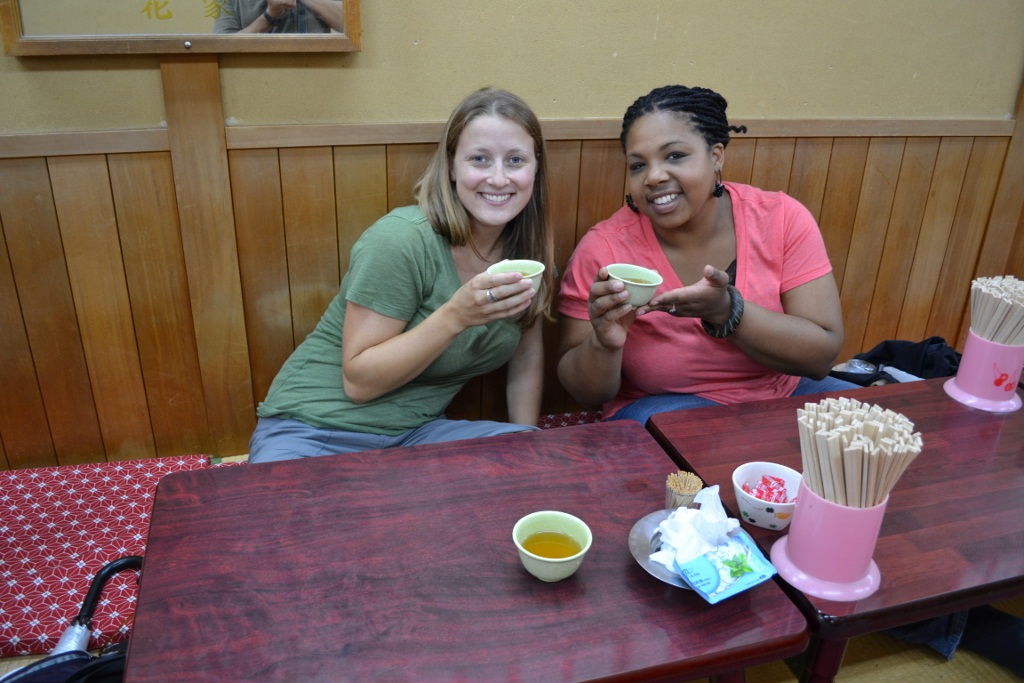
Enjoying a tasty tempura and noodle lunch in Kyoto with Patricia. Thanks for a fun day!

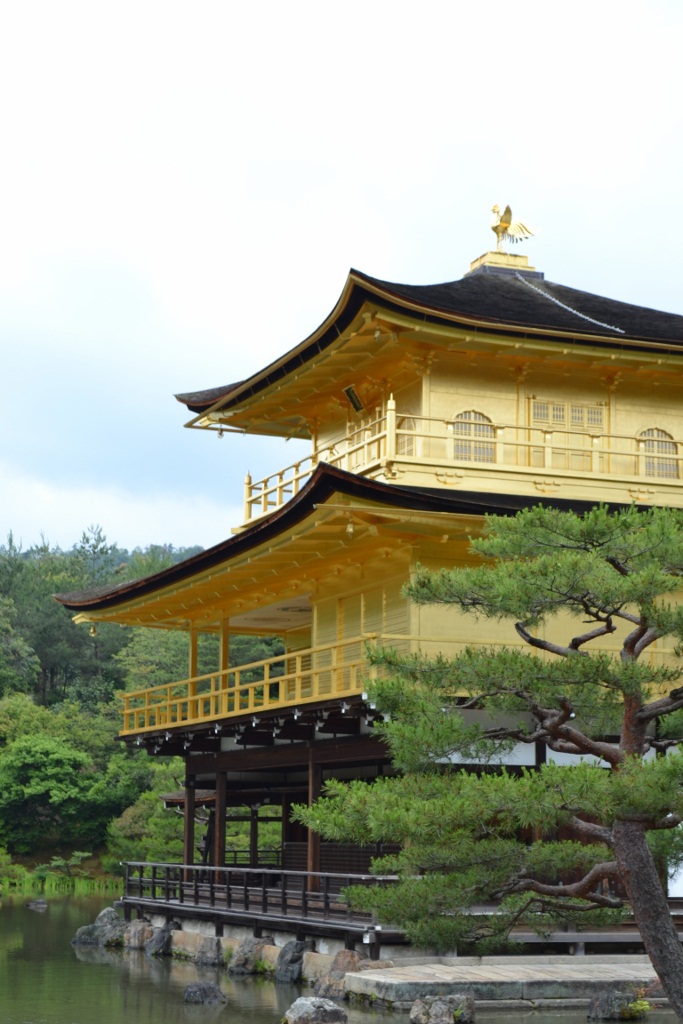
Kyoto’s Golden Temple

The temple is coated in gold leaf, similar to the dome on the capital building in Denver.

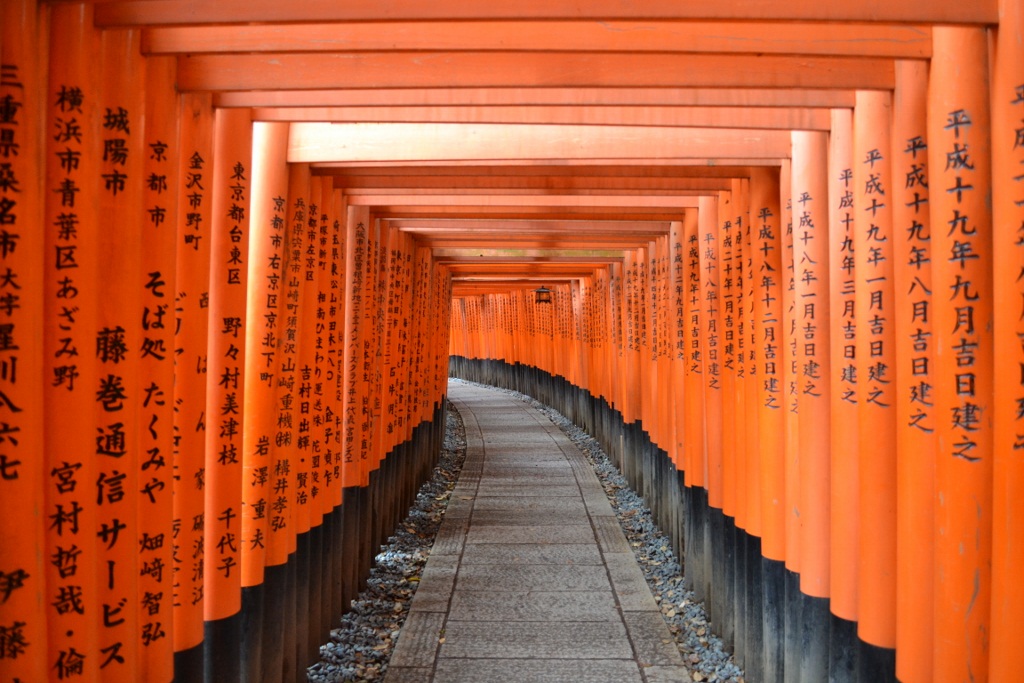
The gates of Fushimi Inari Shrine wound on and on for miles. Each one varies in size and bears the name of the individual or group that purchased it.

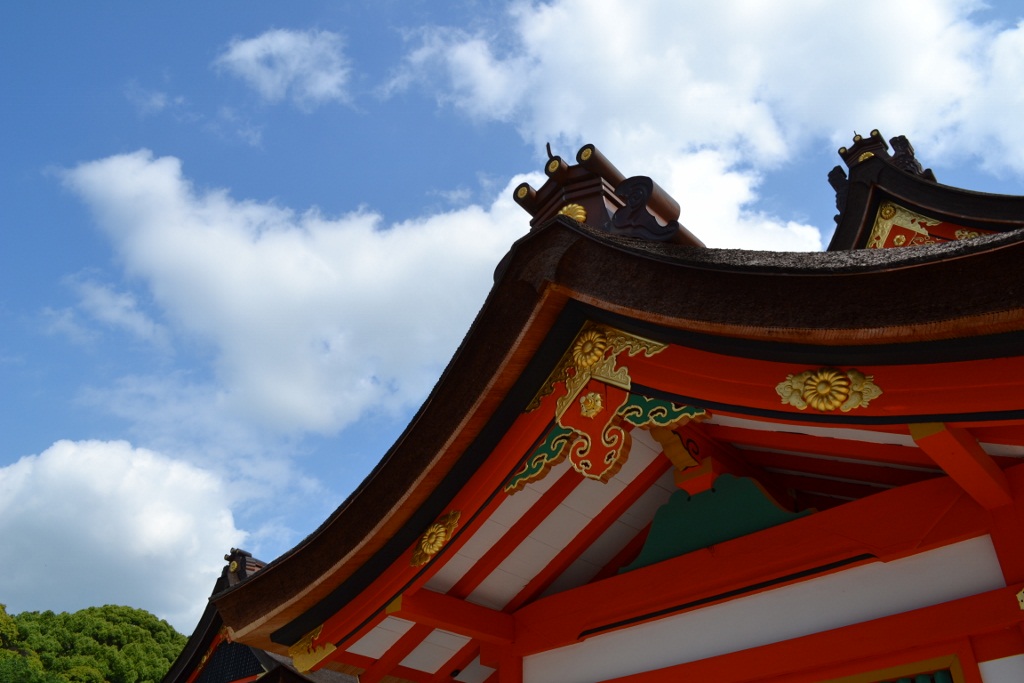
The foremost structure at Fushimi Inari Shrine.

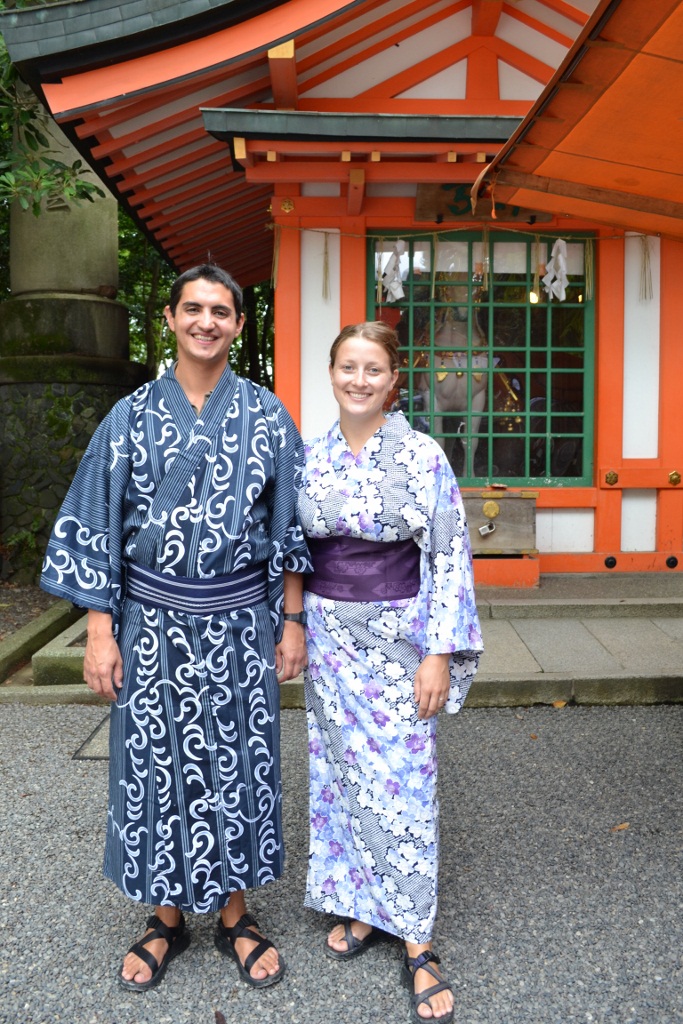
Before walking through the network of orange gates at Fushimi Inari, Patricia convinced us to dress up in traditional garb at a kimono vendor’s stall. We had no intention of purchasing kimonos, but after we got all decked out, the thought crossed our minds. While they would have been fun Halloween costumes, we eventually realized that they would have collected dust 99% of the time.

Dress up time

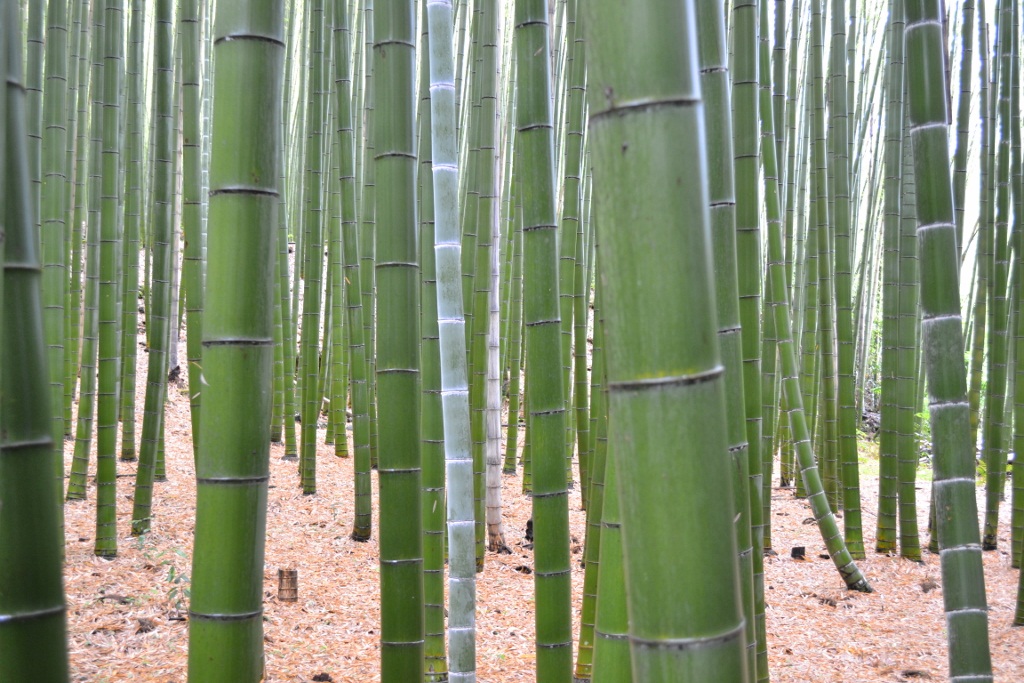
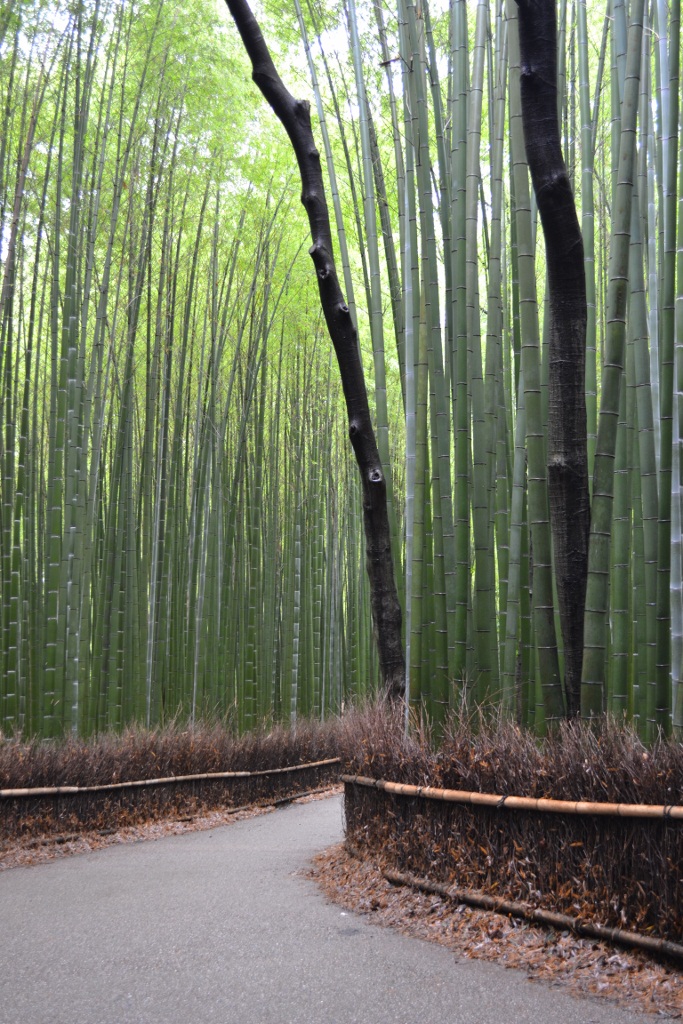
Another highlight of our visit to Kyoto was our trip to Arashiyama. We learned about this neighborhood of town from our hostel’s “things to do” board. At a first glance, it seemed like nothing more than something to do on a rainy day; however, it turned out to be one of our favorite places in Kyoto. The paths that make their way through the area are canopied by a forest of bamboo.

Seemingly endless grove of bamboo trees.

The trees towered so high that they drooped over the path to create a natural canopy.

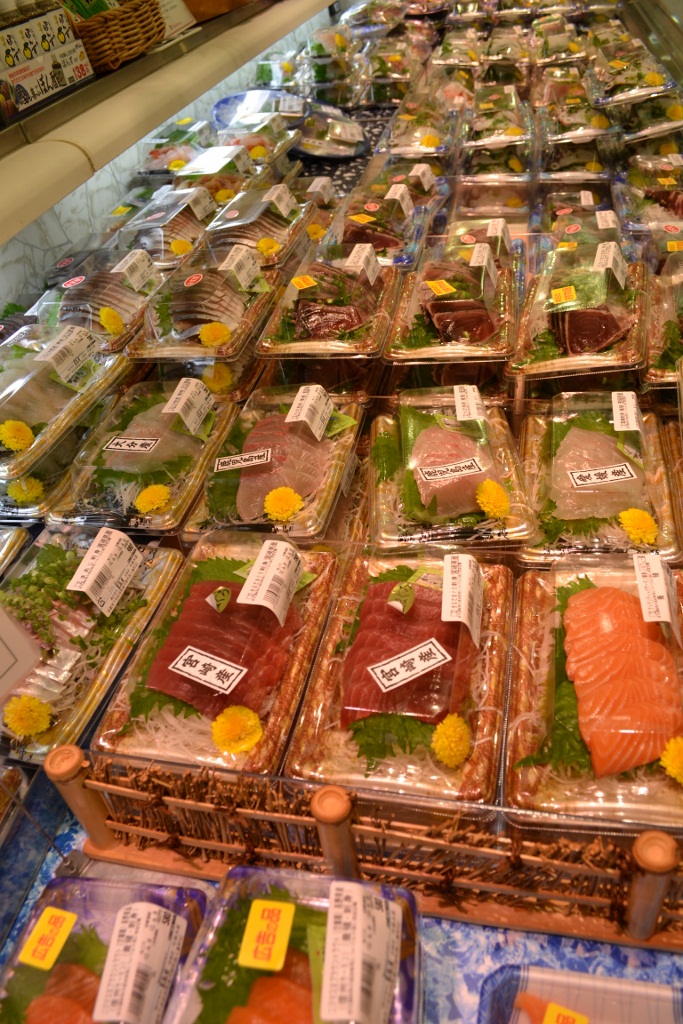
Last but not least…the food. A post on The Chamborres Expedition is not a post without writing about the cuisine of a city. We took a suggestion from a friend and sought out a grocery store located in the basement of a department store. We know that doesn’t sound like an exciting culinary adventure, but trust us, some of the best and most affordable sushi in the world can be found in such places. We scoped out our dinner selection early one morning, but lucked out by returning after 6:00PM when much of the sashimi was marked down 20 and 30 percent. No one wants day old sushi.

Sushi, anyone?

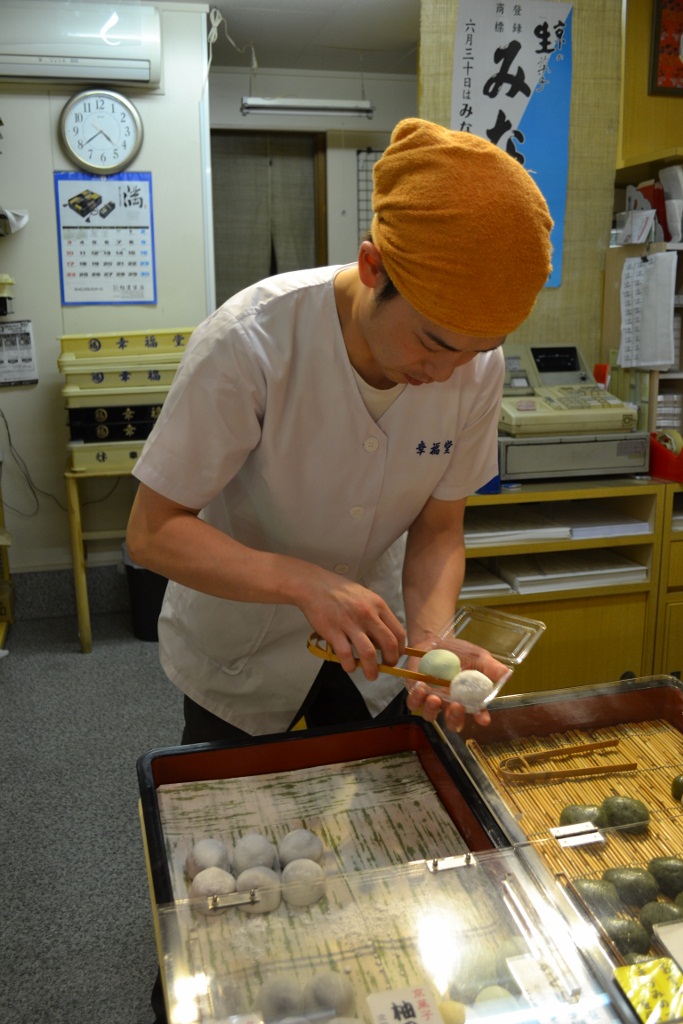
Everything in Japan is an art form, even the desserts. We were continually impressed by the presentation of products in the artisan sweet shops. The colors, textures and designs are a treat to the eye.  Having only known the deliciousness of mochi from home, we were amazed by the taste and freshness of the ones in Kyoto. At over 150 yen/piece, they are not cheap, but they are an incredibly delicate and subtle way to end a meal.

Hand-made mochi at Nishiki Market

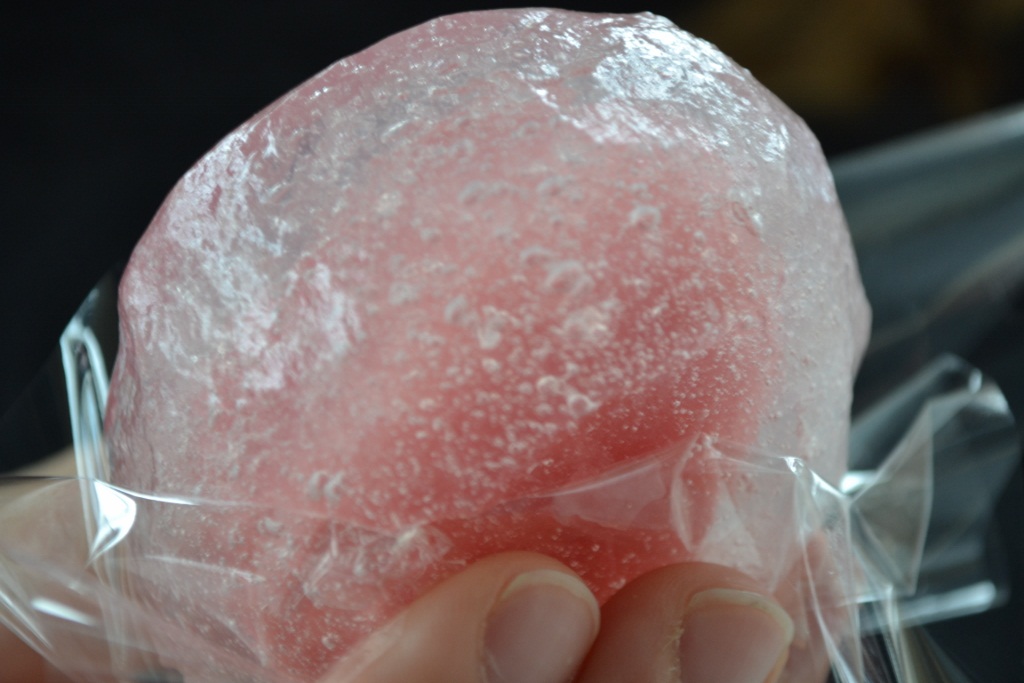
Funky see-through mochi

Yesterday, we overheard another traveler saying, “I am so happy, it was something I have always wanted to do.” That is exactly how we felt when we arrived in Kyoto. We have always wanted to visit Japan, and exploring Kyoto was the perfect way to start our visit. It allowed us to see the temples of old, experience the food of today, and get a glimpse of the trends of tomorrow that awaited us in Tokyo.

Read Full Post »

It has been a while since our last post. The reason? We have been bumming around on the beaches of Busan, South Korea for the past eight days.

Before getting into our fun in the sun, we’ll take you back to our last moments in China. On our final night in Beijing, we liberated ourselves of the massive Lonely Planet China guidebook we had purchased and felt a great weight off our shoulders (both literally and metaphorically). Guidebooks can be a double-edged sword; they provide you with valuable information and are a one-stop shop for planning a trip, but they also leave you feeling like you have to see and do everything. We now know 100% that we prefer to travel without them.

When all was said and done, we spent five weeks maneuvering the crowds, traffic and tourist hotspots of eight different Chinese cities. Don’t get us wrong, we loved China, it’s just that we were ready to plant ourselves in one place for a while. Simply stepping out of the airport in Busan had a very calming effect. People formed lines, cars stopped at cross walks, streets were clean and tidy and everything just seemed so smooth and orderly.

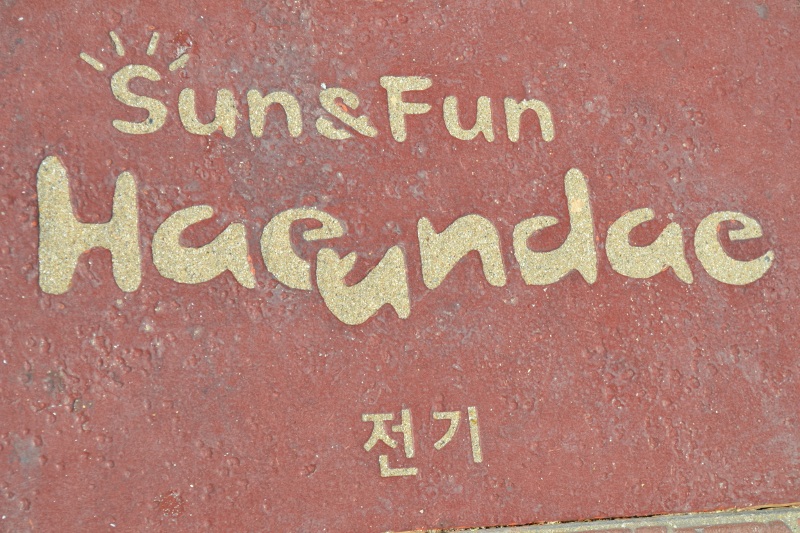
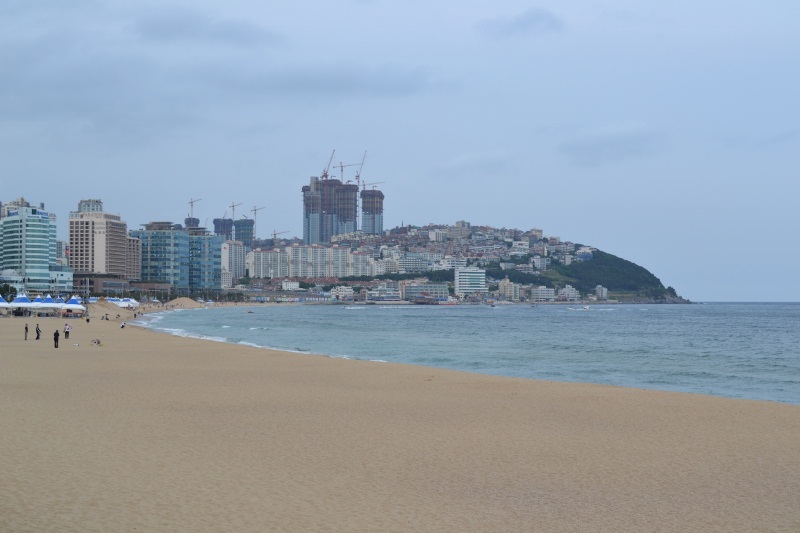
Our little paradise in South Korea – Haeundae Beach

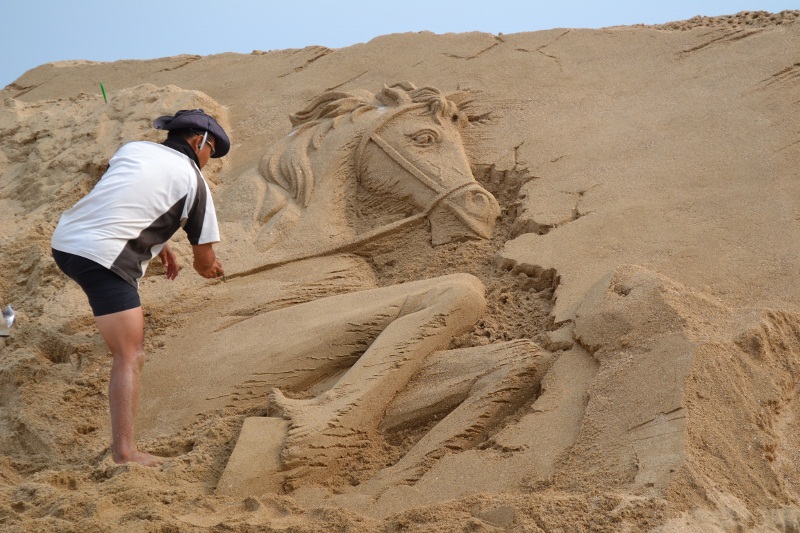
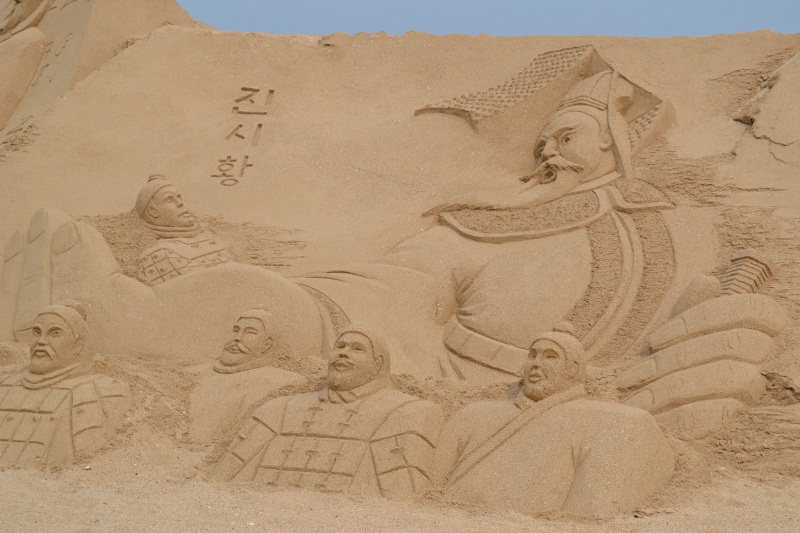
We knew that Busan was a city with some nice beaches, but to our surprise, there was an international sand festival taking place at Haeundae Beach, just minutes from our hostel.  When it comes to de-stressing and just having fun, there are few things better than an ocean side festival.

These guys make it look easy.

Incredible 3D sand sculpture

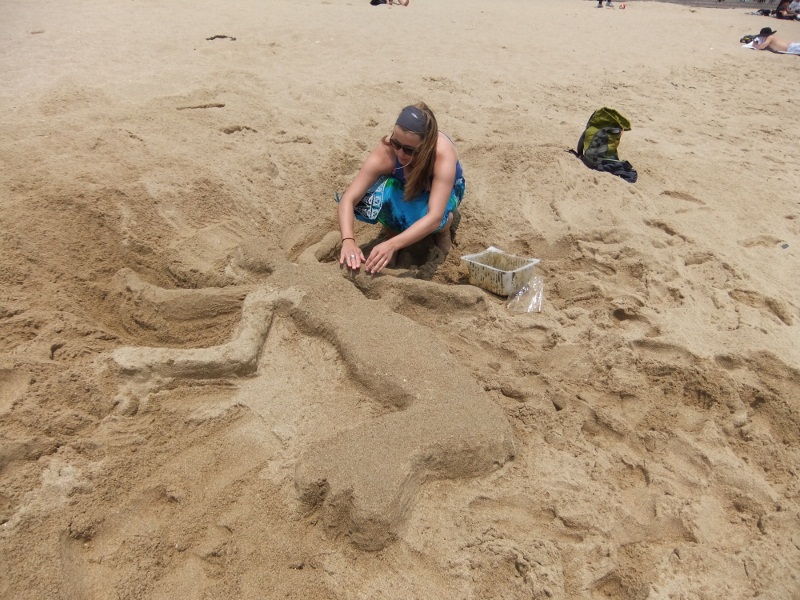
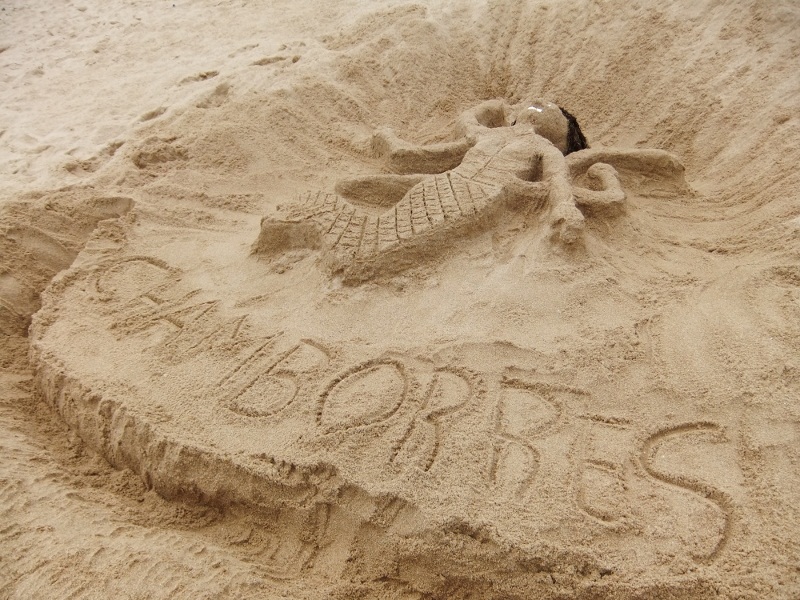
We got inspired to create our own work of art. It was so much fun to play in the sand that day. Quite a few people even stopped to take photos of it, which made us feel like we were part of the festival. The sad part is how sore we were the next day, and for several days after.

Amy working on Mrs. Scraggle Tooth

Don’t ask us what it is…we have no clue.

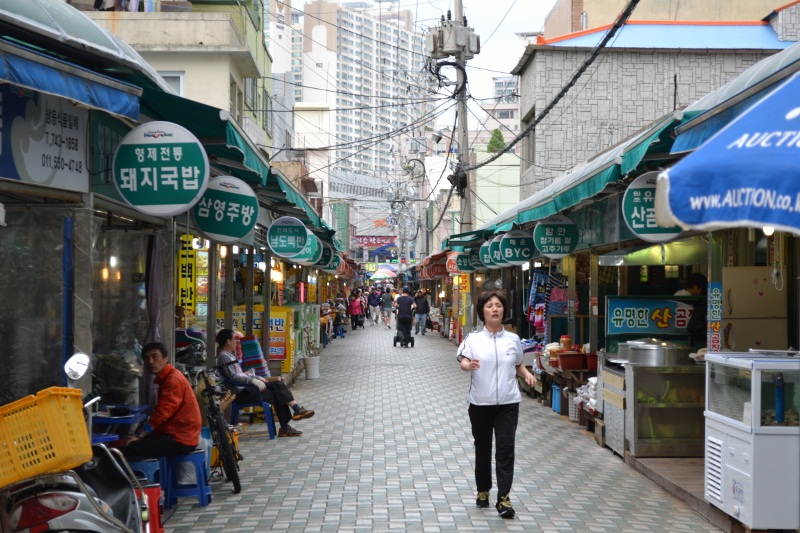
At first, we had considered taking a train up to Seoul for a few days or setting off for some hiking in the nearby mountains; but, in the end our desire to just max on the beach prevailed.  We decided that we could still experience many great aspects of Korean life, namely the food, without trekking very far. We had only to walk two minutes from our hostel to Haeundae Market to find many of the nation’s culinary delights. After just a day, this market became one of our favorite markets in the world.

Our favorite little street in Busan

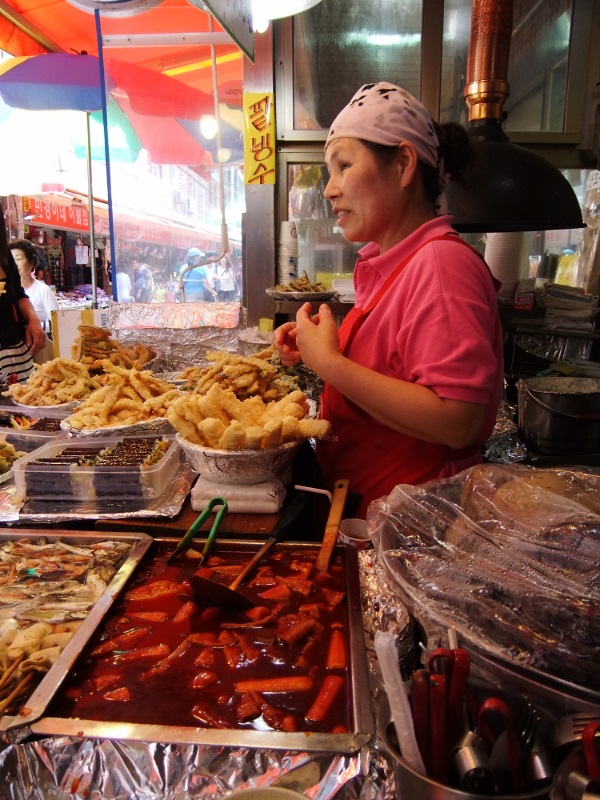
This lady served up the tasty tempura snacks day and night.

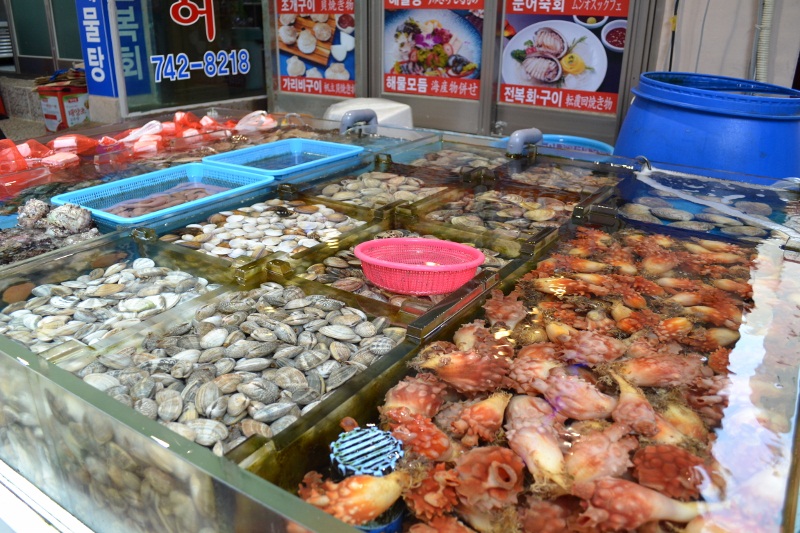
The amount of different sea creatures available at Haeundae Market is incredible.

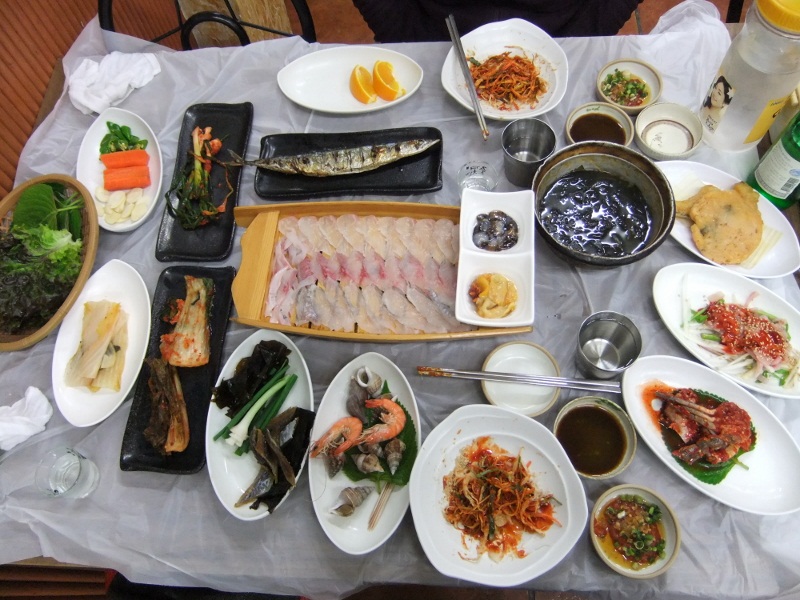
The combination of fresh seafood, delicious vegetables, hole-in-the-wall restaurants, street food and shops was perfect. We ate everything from kimchi dumplings, to sushi rolls, to tempura . One night, we even ate a meal that included 11 different types of sashimi: two species of eel, sea snails, crab, sea squirt, shrimp, sea cucumber, three unknown types of delicious sliced fish, and a whole grilled fish.

Amazing spread of “hue” (pronounced hway), which is Korean sushi, and more!

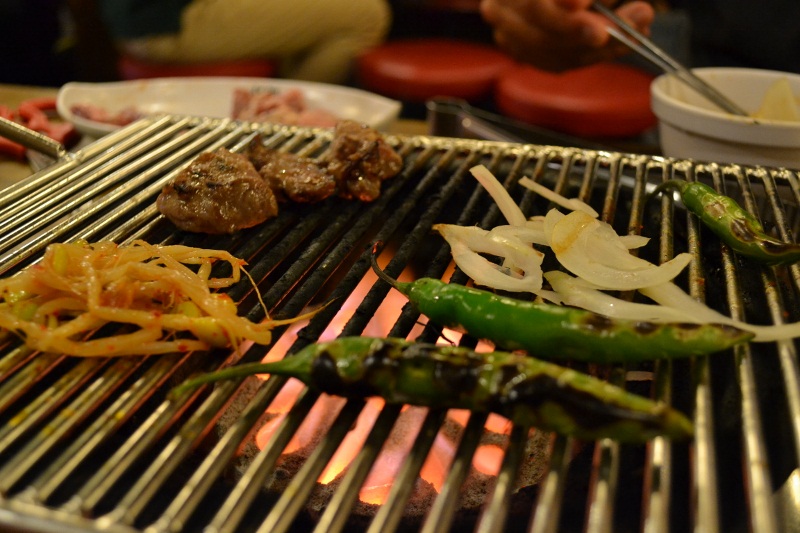
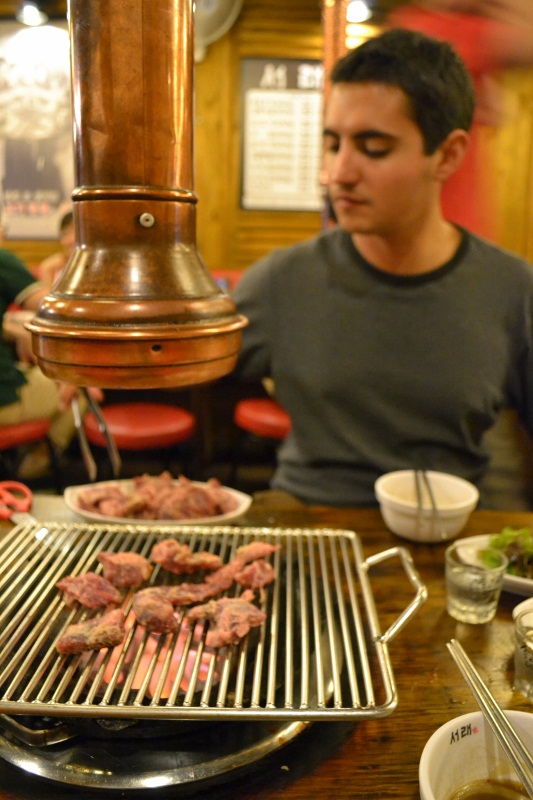
If seafood isn’t your thing, South Korea has you covered too. Enter Korean Barbecue. These great restaurants are perfect for dining as a couple or with a group of friends.  A charcoal pit in the middle of the table allows you to grill up your own meat while you enjoy bottomless side dishes of kimchi and vegetables.

Koreans are very methodical eaters. Everything has to be prepared just so, each item paired with its particular garnish. We definitely mixed it up at the Korean BBQ and some people looked at us funny. One couple even stopped us mid-meal, to show us how it was done.

Man and grill. Need we say more?

One of our friends from DU is living and teaching English in South Korea, and we had a blast hanging out, getting the inside scoop on the country, and visiting her middle school class (more on that in a future post). Thanks again Danielle for a great time!

Enjoying laughs with friends old and new.

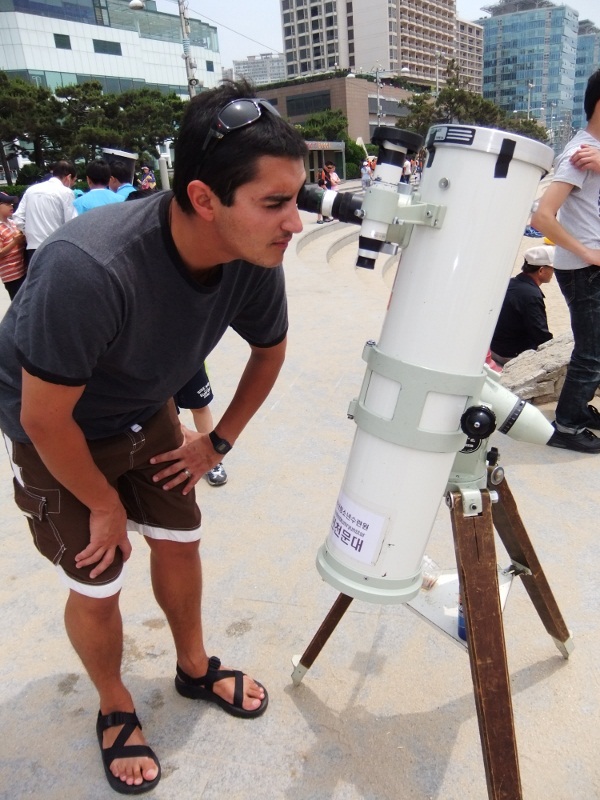
As if a week of maxing on the beach, grubbing tasty Korean food and hanging out with friends wasn’t enough, viewing the Venus Transit across the sun was icing on the cake. The view of this rare astronomical event was said to be the best in this region of the world. Foolishly we tried to look at the sun using only two pairs of sunglasses. Epic fail. But we were lucky enough to run into a group of local physics students who had telescopes set up on the beach. Win!

Mike scoping the awesome view of Venus crossing the sun. Guess we’ll have to wait until 2117 to see it again.

There it is!

We didn’t have a guidebook when we got to Korea, nor had we done much planning beyond booking a hostel, so we really didn’t know what to expect from Busan. Half the beauty of traveling is making it up as you go, this time things went our way and we couldn’t have picked a better time to be there.

So where are we now?  We managed to peel ourselves off of the beach in order to fly to Japan today. We’ll spend a few days in Kyoto before heading off to work.  You’re eyes are not deceiving you; yes, for the first time in over six months we will be getting paid. We’re heading to Yokahama to work a booth at a stem cell research conference called ISSCR for Amy’s previous employer. It will good to hang up our travel gear for a bit and get back in touch with our professional selves. Not to mention it will be nice to see our bank account increase instead of decrease for a change!
Read Full Post »

« Newer Posts - Older Posts »